In an effort by the legislator to update the Spanish legal framework to the new dynamics of the audiovisual market, significantly affected by technological evolution and the appearance of new actors, on May 2, Royal Decree 444/2024 (“RD”) came into force. ) which was approved on April 30 by the Council of Ministers and which regulates the requirements for the consideration of particularly relevant users of video sharing services through platforms also known as influencers. The standard also aims to align with Directive (EU) 2018/1808, where, although influencers were not explicitly included, it left Member States the freedom to regulate this figure, recognizing their growing importance in the dissemination of audiovisual and advertising content. . This inclusion seeks to guarantee, among others, the protection of users, especially minors, from potentially harmful content that may affect their physical, mental or moral development. Specifically, the RD states that users of special relevance are natural or legal persons who use video exchange services and comply with the requirements set forth in article 94.2 of Law 13/2022, of July 7, General Audiovisual Communication and Therefore, it is to these subjects to whom the rights and obligations of this standard must be applied. Criteria to be considered an influencer Among the criteria to be considered a user of special relevance are, on the one hand, that the annual gross income is equal to or greater than 300.000 euros in the previous calendar year, derived exclusively from the activity of the users in the set of video sharing services through the platform they use. On the other hand, they must have a considerable audience on the platforms, a requirement that is understood to be met when, in the previous calendar year, 1 million followers are reached on a single video sharing platform or 2 million followers in their global activity on platforms, and the user has published or shared 24 or more videos per year. These users must register, within a period of two months from the entry into force of the RD, in the State Registry of Audiovisual Communication Service Providers. In this way, their obligations are made equal to those of the rest of the audiovisual agents. In summary, the RD is an important step towards the modern regulation of the audiovisual market in our country, addressing the challenges and opportunities presented by the digital era and ensuring that both new and traditional market players fulfill their responsibilities by protecting the public in general content that promotes violence, pornography, terrorism or hatred, complying with the regulations on the dissemination of commercial audiovisual material that they advertise and ensuring the protection of minors and their exposure to content that may affect their physical, moral or mentally in a negative way. Inés de Casas, Senior Associate at ELZABURU
The European Data Protection Committee has finally ruled on the pay or OK controversy that Meta, the owner of Facebook and Instagram, introduced in Europe last year. The Committee, which responds to the English acronym EDPB, concludes that the procedure used by the technology giant to try to comply with the General Data Protection Regulation (GDPR) is not valid. First of all, it should be clear that this is not a court decision or new legislation, nor is it a binding resolution. What the EDPB has issued is an opinion in which, at the request of several European data protection authorities, it provides its interpretation regarding the fit of “pay or ok” in data protection legislation. Now, the impact can be very high, especially for large platforms that until recently allowed access to their content completely free of charge. This is because, in practice, the EDPB report establishes as a general rule that the payment of an amount (whether a one-time payment or through a subscription) cannot be offered as the only alternative to cookies. In this way, those platforms that maintain the pure “pay or ok” model, without additional options, will be obliged to be able to demonstrate that the system adopted does not force its users to accept cookies, but rather that they consent to them completely freely and this , with the presumptions that the EDPB opinion actually contains, is extremely complicated, if not impossible. It is not new legislation but the opinion must be taken into consideration. It is important to note that the EDPB is not ruling on Meta in a specific and individualized way, although that is the case that underlies the cause of its opinion, but this must be taken into consideration not only by Meta, but by all major web platforms. Legislation on cookies requires that those that are not strictly necessary for the functioning of the website must be expressly consented by users in order to be activated. Among these cookies are those for behavioral advertising, with which users are profiled and then impact them with advertising. And the consent that users give must be given completely freely. A large part of the business of large platforms is based on selling brands the possibility of impacting with their advertising those users who, due to their profile, will be more inclined to purchase their products or services. But profiling as invasive as that carried out by many platforms, whether through cookies or any other system, requires the consent of users, and the EDPB understands, in essence, that if the only alternative to such consent is to pay a sum of money, it must be presumed that the consent is not freely given, especially if the amount to be paid is disproportionate and if for a long time before the platform offered its content or services for free. Furthermore, it should be noted that the "pay or ok" also violates one of the conditions for valid consent, which is that it must be specific to the particular data processing that takes place. If user consent is required to track and profile them and also to subsequently target them with advertising, both consents should be requested separately and not globally, as happens with the "pay or ok" system of Meta and others. The Committee suggests using “random” advertising as one of the possible solutions. If Meta wants to comply with the EDPB's interpretation, it seems clear that it should avoid offering only paid advertising as an alternative to profiling and behavioral advertising. The EDPB itself provides as a solution, in addition to setting non-abusive amounts for the payment method, also offering the alternative of “random” or less invasive advertising for the privacy of users. For example, letting the user themselves mark, from a closed list of options, what their interests are or the subjects on which they would like to be shown promotions and advertising. A possible solution would be that users could choose between several options, for example: a) payment modality without advertising, b) free modality with advertising according to the preferences they set c) free modality with “random” advertising without any type of profiling , and d) free modality with behavioral advertising cookies. Each of these options could entail some difference in terms of the provision of the service or the use of the platform, but in essence they should be equivalent so that the user does not feel compelled to choose just one of them because otherwise they will be causes unjustified or disproportionate harm. Furthermore, for the rest of possible cookies that also require user consent, this should be obtained separately. However, the platforms, aware of their business and their users, will surely find other solutions or different models that are in line with the opinion of the EDPB. Perhaps in some cases it is enough to lower the price to pay and in others to adopt alternatives accompanied by some type of compensation or additional consideration for the user. Although the latter must be assessed very carefully taking into account that the EDPB also indicates that personal data cannot be used as currency. The Committee provides elements to evaluate the criteria for informed, specific and unambiguous consent that large online platforms must take into account when applying "consent or payment" models. In addition to this opinion, the EDPB also announces that it will develop guidelines on "consent" models. or remuneration” with a broader scope and will collaborate with interested parties on these upcoming guidelines. Ruth Benito, Of Counsel Data Protection and Privacy of ELZABURU For more information: Javier Herreros jherreros@goodwill.es Tel. : 626 20 73 22
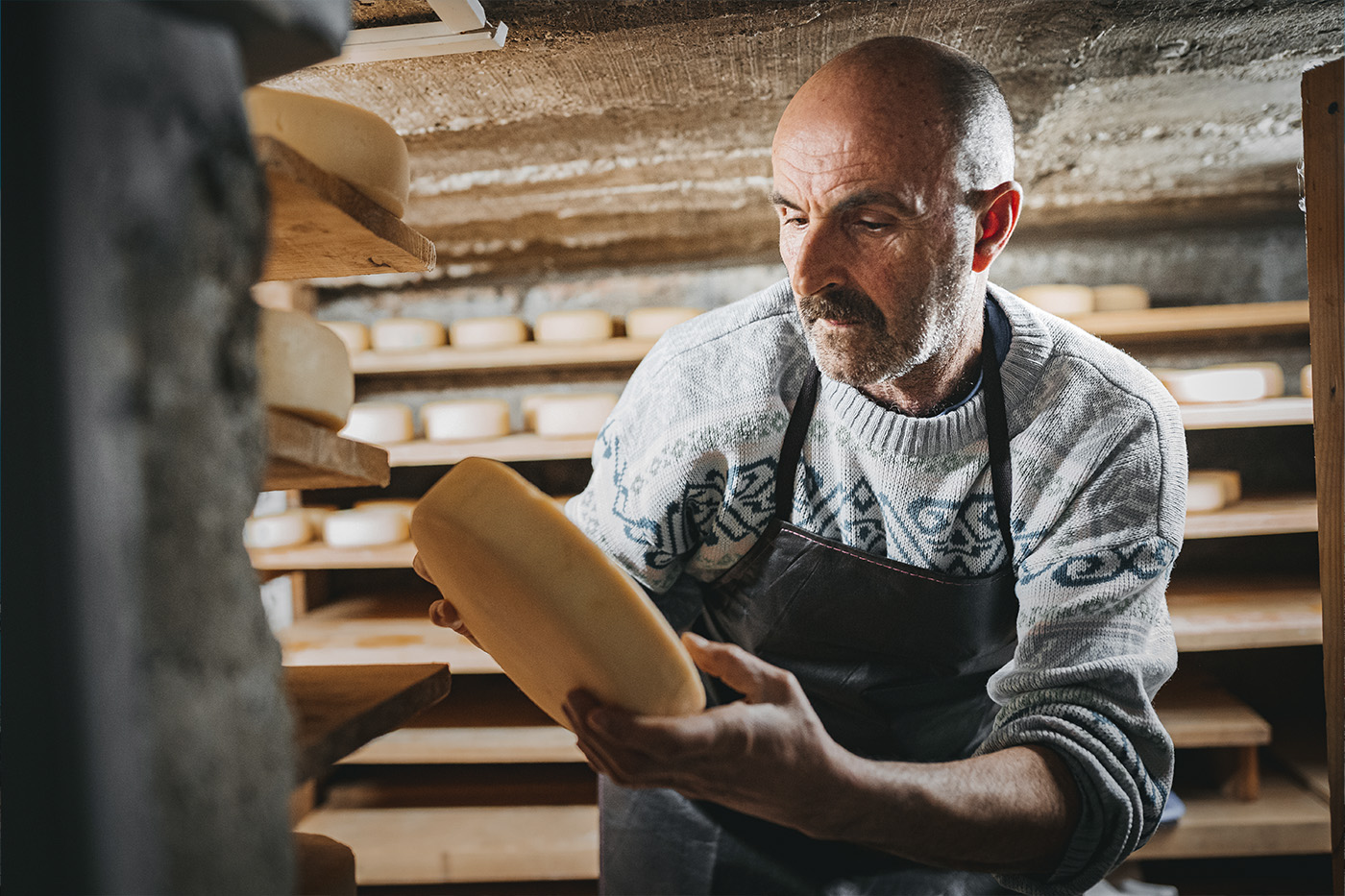
Yesterday, April 23, 20024, Regulation (EU) 2024/1143 of the European Parliament and of the Council, which modifies the regime relating to geographical indications in the European Union, was published in the OJEU. This regulation repeals Regulation (EU) 1151/2012 on the quality of agricultural and food products that regulated geographical indications (Protected Designation of Origin -PDO- and Protected Geographical Indication -PGI-) and traditional specialties guaranteed (TSG), as well as such as the use of certain optional quality terms and replaces it with the new regulation. Likewise, it partially modifies the regimes of the regulations (EU) of the quality figures of wines (Regulation 1308/2013) and spirits (Regulation 2019/1753). Its publication represents a crucial point in the updating and expansion of the scope of protection of quality figures that was recently achieved by Regulation (EU) 2023/2411 of the European Parliament and of the Council of October 18 regarding the protection of geographical indications of artisanal products, which introduced for the first time a GI protection regime for these products at the European Union level and modified Regulations (EU) 2017/1001 and (EU) 2019/1753. Among the novelties of the regulation approved yesterday, in line with current trends in Intellectual and Industrial Property and other branches that regulate production and commerce, is the presence and relevance of the sustainability of these figures in all their aspects (environmental , social and economic), although from a regime based on voluntariness. Other very notable aspects are their contribution to better protection and explicit legal protection of them against domain names and on the Internet, something that has been constantly demanded in recent years given the discriminatory and inferior situation in which they exist. GIs were found in this area in some of the most important domain name dispute resolution systems and other environments, particularly when compared to trademarks. Likewise, it regulates the conditions under which the mention of a geographical indication can be used commercially when an ingredient is used in the labeling of the product, which were points where in practice it tended to generate ambiguity and confusion in consumers about whether the product benefited from the geographical indication or what specifically benefited from that geographical indication. The obligation to mention the producer on labeling, the use of personal data in applications and the role of producer groups as GI management entities are also regulated. According to sources from the Ministry of Agriculture, Fisheries and Food, Spain is the third EU State in number of quality figures (DOP, PGI and ETG), with 381 registered in the EU registry, only behind Italy, with 890 figures, and France, with 769. The 381 Spanish figures are distributed in 146 wines, 212 agri-food products - there we can find cheese; meats and the like; fish; fruits, vegetables and legumes; olive oil and vinegar; sweets such as Polvorones, Nougat or Alfajores, among others; honey, etc. -, 19 spirit drinks and 4 Traditional Guaranteed Specialties (TSG), with another 25 figures currently in the registration process with the European Commission. According to the latest available data, in Spain more than 330.000 farmers and ranchers produce products with geographical indication quality seals, with more than 1,5 million cultivated hectares and 2,3 million heads of livestock. This quality production has an estimated value at origin of more than 7.000 million euros and is subject to a rigorous control program, which is part of the National Plan for Official Control of the Food Chain (PNCOCA 2021-2025) and which carried out 49.213 controls in 2022. The new regulation will come into force 20 days after its publication and will also be applicable from May 13, 2024, except for the parts related to article 10, sections 4 and 5 (relating to the national opposition procedure of the EU Member States), Article 39, paragraph 1 (referring to the drawing up by Member States of the list of operators that carry out activities subject to obligations established in the specifications of the GIs), and Article 45 (which deals with the certification of compliance with the specifications), which will be applicable from January 1, 2025. Miguel Ángel Medina, Partner-Associate at ELZABURU For another version of this article you can consult the MARQUES Blog For more information: Javier Herreros jherreros@goodwill.es Tel. : 626 20 73 22
State financing that meets the criteria specified in Article 107(1) of the Treaty on the Functioning of the European Union constitutes State aid and must be notified to the European Commission in accordance with Article 108(3) of the Treaty. However, in accordance with Article 109 of the Treaty, the Council may determine the categories of aid that are exempt from this notification obligation. In accordance with Article 108(4) of the Treaty, the Commission may adopt regulations relating to these categories of State aid. In Regulation (EU) 2015/1588 the Council decided, in accordance with Article 109 of the Treaty, that de minimis aid (i.e. aid granted to the same company during a given period and not exceeding a certain fixed amount ) could constitute one of these categories. On this basis it is considered that de minimis aid does not meet all the criteria set out in Article 107(1) of the Treaty and is therefore not subject to the notification procedure. On December 13, 2023, Commission Regulation (EU) 2023/2831, of December 13, 2023, relating to the application of articles 107 and 108 of the Treaty on the Functioning of the European Union to aid for minimis (“Regulation (EU) 2023/2831”) which entered into force on January 1, 2024. This Regulation (EU) 2023/2831 will apply to aid granted before its entry into force if such aid meets all the conditions established therein. Any individual de minimis aid granted between 1 January 2014 and 31 December 2023 and meeting the conditions set out in Regulation (EU) No 1407/2013 will be deemed not to meet all the criteria of Article 107(1) , of the Treaty and will therefore be exempt from the notification requirement of Article 108(3) of the Treaty. The entry into force of Regulation (EU) 2023/2831 introduces the following new features: It extends the maximum limit of the amount of de minimis aid that a single company can receive per Member State during any period of three years from 200.000 to 300.000 euros. From 1 January 2026, Member States will enter information on de minimis aid granted in a central register at national or European Union level within 20 working days of the aid being granted. The information recorded in the central register will include the identification data of the beneficiary, the amount of the aid, the date of granting, the authority granting the aid, the aid instrument and the sector concerned on the basis of statistical nomenclature. of economic activities of the European Union ("NACE nomenclature"). The central register will be established in a way that facilitates public access to information, while ensuring compliance with Union data protection rules, including by pseudonymizing specific entries where necessary. In order to enable the State to ensure that information on de minimis aid is recorded in a register, financial intermediaries implementing de minimis aid schemes must notify the Member State on a quarterly basis of the total amount of de minimis aid received in within ten days from the end of the quarter in question. The grant date will be considered the last day of the quarter. Regulation (EU) 2023/2831 will be applicable, initially, until December 31, 2030. Claudia Fernández, Lawyer at ELZABURU For more information: Javier Herreros jherreros@goodwill.es Tel. : 626 20 73 22
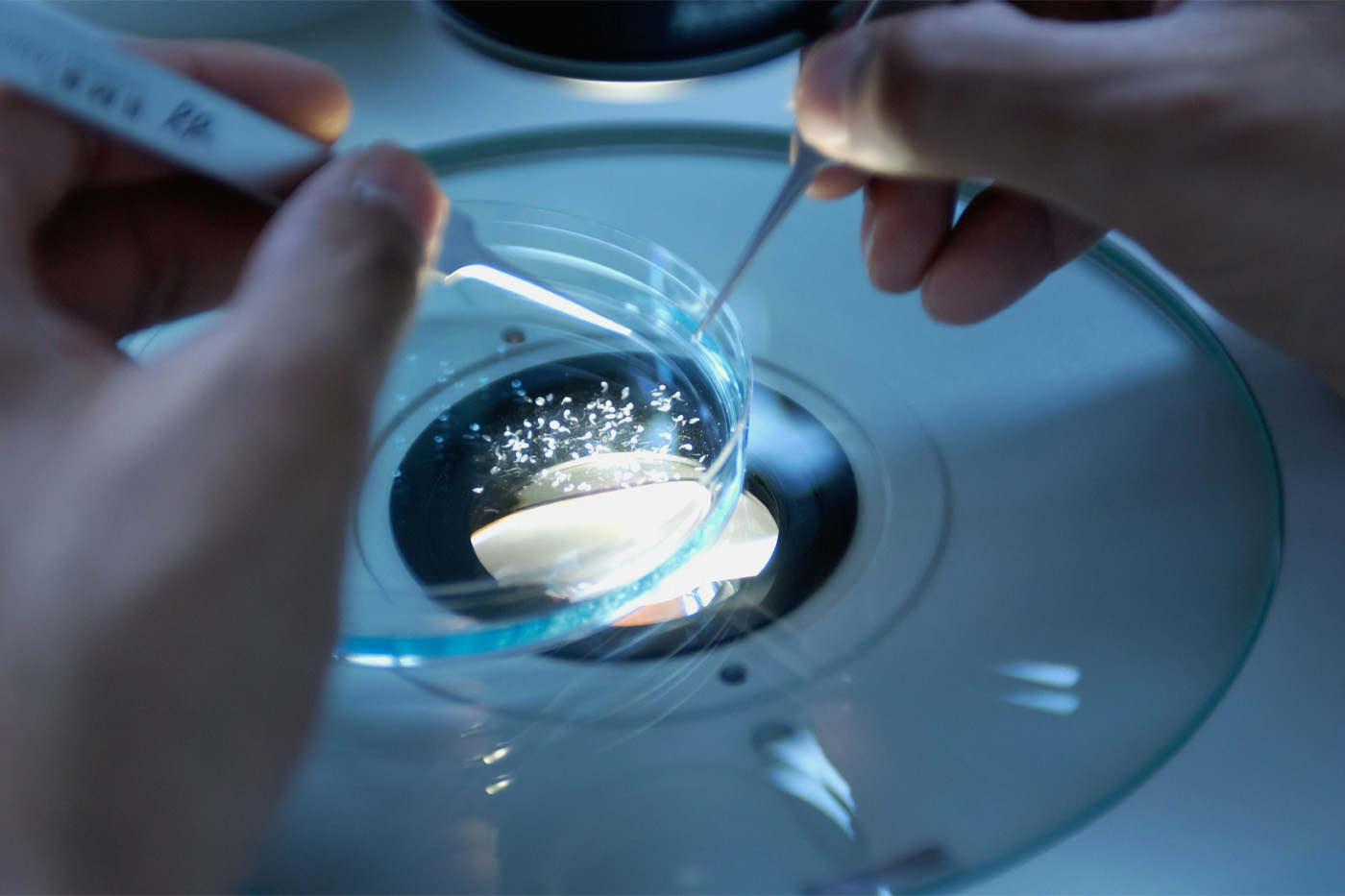
When my father was diagnosed with cancer at the worst stage, stage IV, someone from the Palliative Care Unit staff asked him what he thought. “When it's your turn, it's your turn,” he responded. Indeed, there is some chance. But there is also a lot of science. As you read these lines, your cells are dividing, and every time a cell divides, it has to read a molecule of more than 3.000 billion base pairs of DNA. As we age, this amazing and almost perfect reading machine called DNA replication machinery begins to deteriorate, leading to mutations accumulating in our cells. Many times, these mutations occur in places on the gene that are not considered relevant for normal cell division and growth. Then we can breathe easy. The problem comes when these mutations or reading errors occur in a gene that is important for normal cell division and multiplication. In that case, which for my father was a colloquial formula of resignation and stoicism, an abnormal proliferation of our cells is triggered. It is what we call cancer, a common denominator of up to 200 different diseases of our cells, most of them very different from each other. If an accumulation of these mutations occurs in inappropriate places in our DNA, then the diagnosis that no patient wants to hear already has a name. Therefore, we cannot prevent the development of some type of cancer throughout our lives. What is in our power is to 'reduce the ballots' that chance, as my father thought, distributes to our organism. Habits such as excess weight due to a sedentary lifestyle and/or a poor diet, alcohol consumption or smoking and their carcinogens (which are responsible for more than 30% of tumors and about 15 different types of cancer) increase the chances of that cellular mutations take place in dangerous places in our DNA. Consequently, we must be fully aware of the role that risk prevention can play. Around 50% of today's cancers could be avoided by changing our lifestyles. Medical advances help us live longer, but prolonging life multiplies the chances of coming face to face with cancer. In the European Union, 31% of men and 25% of women will be diagnosed with cancer before turning 75, making it the second cause of death worldwide, only surpassed by cardiovascular diseases. At a time when almost all of us are aware of the growing prevalence of cancer (and where work is being done worldwide to combat this group of diseases, trying to reduce the side effects of treatments, improving the quality of life of patients), the rights of Industrial property plays a fundamental role in cancer research. Accurate diagnosis, effective treatment and multifaceted approaches, the best health weapons against disease, have nothing to do with chance, but with the advancement of biomedical technology. Patents are exclusive rights granted to inventions that are new, inventive and have industrial applicability. In exchange for these exclusive rights (which allow companies to recoup their investment and fund future research), all patent applications are published, thus revealing the technical details of the advances they contain. Therefore, industrial property rights not only protect these innovations, but also attract investors and support collaboration and technology transfer between research institutions and industry. It's a win win situation. Whoever discovers a new step forward wins and everyone else wins with it: pharmaceutical and medical sectors, public sector and general population. On February 4, World Cancer Day is celebrated. For this reason, the European Patent Office published a new study, “Patents and innovation against cancer” (https://link.epo.org/web/publications/studies/en-patents-and-innovation-against-cancer -study.pdf) which shows how oncological inventions have increased by more than 70% between 2015 and 2021. This percentage has been calculated from the number of international patent families (applications that protect the same invention, which includes a published international patent application, a patent application published in a regional patent office, or patent applications published in two or plus national patent offices). In addition, the European Patent Office has launched a free access platform, Technologies combatting cancer | Epo.org, where you can access the latest patent applications grouped by diagnosis, prevention and early detection, treatment, etc., thus providing a very useful tool to stay up to date and thus promote the transfer of knowledge and further progress fast in this field. The European Patent Office report highlights that, since the 70s, more than 140.000 anti-cancer inventions have been published. And that, between 2015 and 2021, the annual number of international patent families increased by more than 70%, which is equivalent to an annual growth rate of 9,34%. All of this growth in innovation has been accelerated by the development of biotechnology and information and communication technology (ICT), as well as increased investment, international collaboration, data sharing and regulatory incentives. Technologies such as gene therapy, non-coding nucleic acids or immunotherapy, and targeted therapies are revolutionizing cancer treatment and care. Furthermore, advances in cancer diagnosis, such as liquid biopsies, show an annual growth of 20% among international patent families. These biopsies allow the detection of circulating tumor DNA in the blood, among other things, making this the area of greatest activity in biomarker patents, with more than 2.000 families of international patents in 2021. This improves early detection rates, which are crucial so that many patients, like my father, do not receive a diagnosis along with...Read more
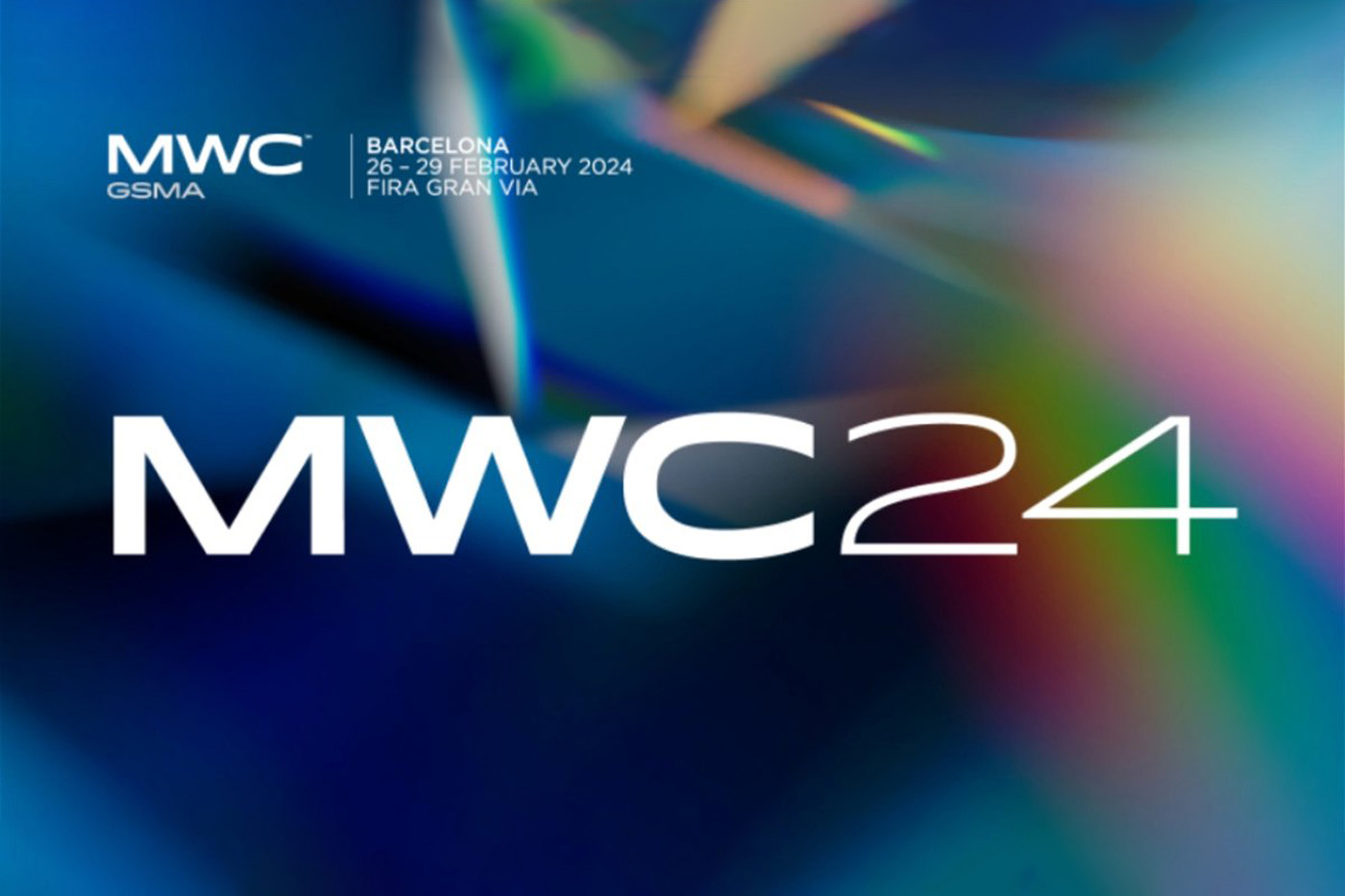
The annual Mobile World Congress, the largest mobile phone and technology fair in the world, is approaching. As usual, the event will take place at the Fira de Barcelona exhibition center for 4 days, starting on Monday, February 26 and concluding on Thursday, the 29th. Given that more than 2,000 leading companies in computing, electronics and telecommunications participate in this congress, presenting new telephony products, mobile applications and software innovations worldwide, the Mobile World Congress becomes each year a scene prone to potential conflicts between companies, mainly due to possible infringements of intellectual and industrial property. For this reason, for years, the Commercial Court of Barcelona, and also the EU Trademark Court of Alicante, have implemented a Guard Service and Rapid Action Protocol. This Protocol has the dual purpose of avoiding, to the extent possible, the adoption of precautionary measures without hearing the defendant and, at the same time, implementing effective measures to protect said rights. Under this Protocol, the Courts undertake to resolve on the same day of their presentation (within 24 hours) the admission of requests for preventive writings (intended to avoid the adoption of precautionary measures without a hearing of the defendant). Furthermore, they undertake to resolve requests for precautionary measures within a period of 2 days (48 hours), scheduling a hearing within 10 days if a preventive document has been presented. The Protocol will come into force on February 1 and will remain active throughout the month of February until the last day of the congress, February 29. The report on the results of the application of the Protocol published by the Courts of Barcelona and Alicante with respect to the Mobile World Congress 2023 revealed that the global number of cases registered that year had been the best in the last 4 years. This demonstrated a clear recovery in the volume and number of cases registered compared to the years before the pandemic, a progressive trend that the report predicts will continue for the next Mobile World Congress 2024. It is time for companies participating in the Mobile World Congress to anticipate and take the appropriate measures in order to ensure the protection of their rights, avoiding possible setbacks during the fair. ELZABURU has played a significant role, participating in around 25% of the cases resolved by the Courts in application of the Mobile World Congress Protocol in the last 6 years. This year, the firm will once again provide its support to clients, implementing measures both to effectively safeguard its industrial and intellectual property rights, and to avoid any risk of possible unexpected actions by third parties that could compromise its normal participation in the imminent congress. María Cadarso, Associate at ELZABURU For more information: Margarita García Díaz-Varela MGD@elzaburu.es Tel.: 673 13 01 04 | 690 36 89 98 Javier Herreros jherreros@goodwill.es Tel. : 626 20 73 22
The new portal includes a detailed description of the services along with valuable legal content: comments on rulings, legislative developments, etc. ELZABURU, the leading firm in legal advice on the protection of intangible assets, launches a new, more advanced and intuitive website. It is a portal with a clear customer orientation to satisfy all their information demands in relation to the services provided by the firm. The new corporate portal includes a detailed description of the services provided by the firm by specialties in industrial and intellectual property (trademarks, patents and industrial designs, copyright and image rights, new technology law, valuation of intangible assets, audiovisual production, data protection, surveillance, domains, business secrets, etc.), as well as by industries and sectors. Among the new services provided by ELZABURU and of which a description is included on the website are advice on the management of compliance and the reporting channel, economic crimes and cybercrimes or advice on financing innovation and tax return for R&D&i. The website also includes a blog with comments on rulings, pronouncements, opinion articles, legislative news, etc., which condense the accumulated knowledge of the 160 years of experience in the defense of intangible assets by ELZABURU professionals. Likewise, a section has been created with a self-diagnosis test so that visitors can quickly evaluate the strengths and weaknesses of their organizations in the management of their intangible assets. According to Mabel Klimt, Managing Partner of the firm, “with the renewal of our website we want to put the client and their needs at the center of our value proposition, not only facilitating knowledge of the firm and its experts, but also simplifying the management of their intangible assets through the Client Area, a powerful and advanced technological tool that provides them with more added value in our strategic and legal advice.” ELZABURU is a firm specialized in industrial and intellectual property, whose mission is to protect, defend and enhance the innovation and creations of its clients. It has a team of 169 professionals made up of lawyers and technical experts from various areas (engineers, chemists, biologists, biotechnologists, physicists, etc.), who advise, manage and control the legal defense and protection of rights at all stages. of intangible assets. The firm was the first Spanish firm to obtain community customs protection. It has more than 3.300 active clients, and manages more than 55.000 brands of Spanish companies, 20.000 of them abroad, with more than 1.600 litigations processed or ongoing. For more information: Margarita García Díaz-Varela MGD@elzaburu.es Tel.: 673 13 01 04 | 690 36 89 98 Javier Herreros jherreros@goodwill.es Tel. : 626 20 73 22
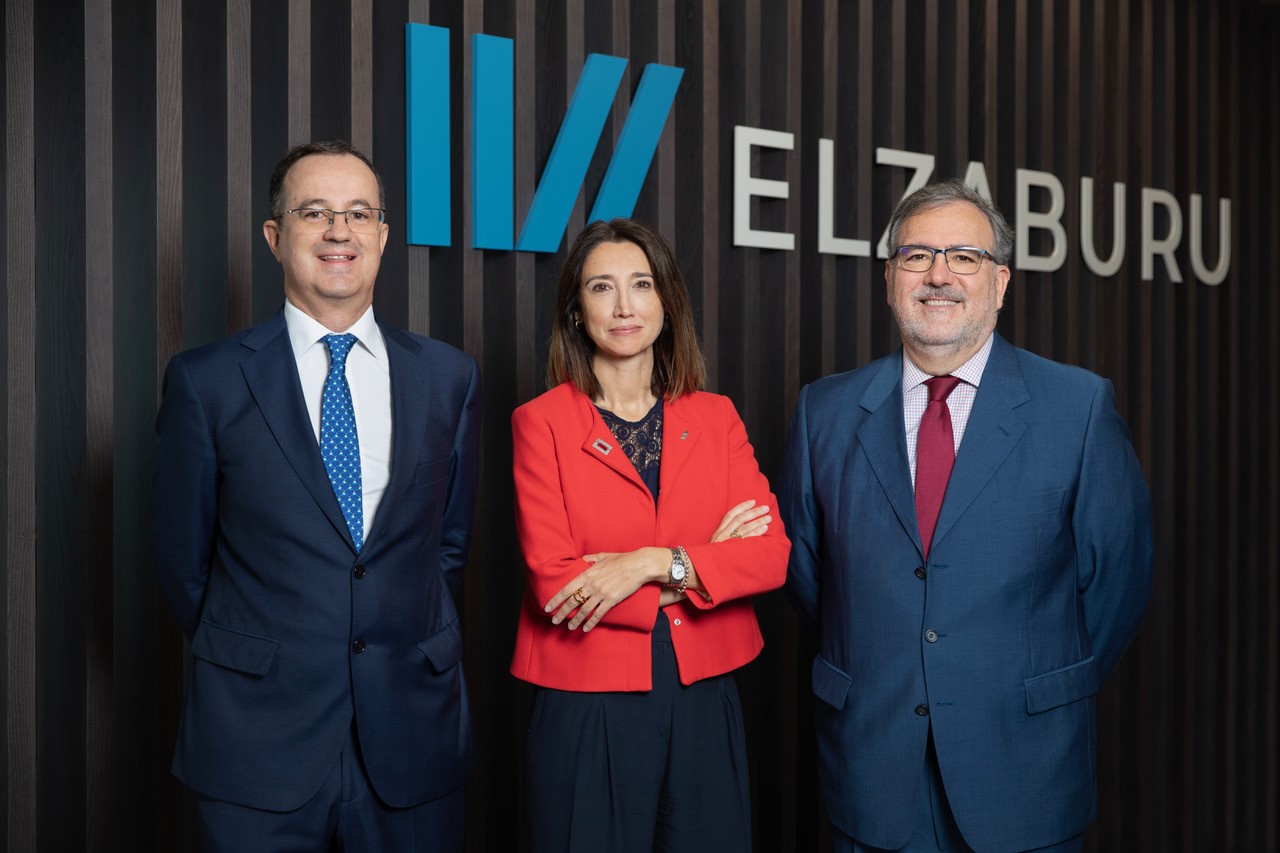
Ruth Sánchez, Director; Francisco Javier Sáez and Pedro Saturio, deputy directors All three are European Patent Agents and authorized representatives before the Unified Patent Court This area has a multidisciplinary team made up of 42 people ELZABURU has reinforced its patent area by appointing a new governing team: Ruth Sánchez is the new director of the Area, a position in which she will have the support of two deputy directors: Francisco Javier Sáez and Pedro Saturio. All three are European Patent Agents and authorized representatives before the Unified Patent Court. The firm is a leader in Spain in patents and validations and advises companies in various sectors, for which it has a multidisciplinary team of 42 people made up of engineers, chemists, biotechnologists and biologists with experience and knowledge in all fields of business activity. Among ELZABURU's clients are some of the most important Spanish companies in the sectors of biotechnology, chemistry, pharmaceuticals, ICT, artificial intelligence, engineering, aerospace, construction and infrastructure, defense, automotive, energy, environment, etc. ELZABURU provides a comprehensive service in patent processing: drafting applications, processing before the European Patent Office (EPO), the Spanish Patent Office (OEPM), the International Bureau (WIPO) and before many other national patent offices around the world. It also presents oppositions to third parties and defends its clients' patents against oppositions from other companies. Likewise, it provides advice on analysis of patentability, freedom of operation, infringement and expert reports. The firm has the experience of 2.966 European patents processed and currently has 918 patent files pending abroad (EPO, WIPO, foreign national offices). Likewise, ELZABURU is one of the main representatives of Chinese companies that wish to register their community designs in the EU. Ruth Sánchez, Associate Partner of ELZABURU, is an Industrial Engineer, mechanical specialty, MBA from the European Business School, Diploma in Patent Litigation from the University of Strasbourg, European Patent Agent, Authorized Representative before the Unified Patent Court. He has worked in the field of industrial property since 2005 and has worked as a technician in a patent agency, as well as head of the patent department in industrial companies. He has experience in industrial designs and patents and utility models in the aeronautical and aerospace, automotive, electronics, renewable energy, construction and real estate, and civil engineering sectors. Francisco Javier Sáez is a Partner at ELZABURU and a Graduate in CC. Chemistry from the Autonomous University of Madrid. He is an Industrial Property Agent, European Patent Agent and European Trademark Agent and Authorized Representative before the EUIPO. He has a Diploma in Patent Litigation from the University of Strasbourg, Authorized Representative before the Unified Patent Court. Before entering the world of Industrial Property, he worked for 10 years as a researcher and head of R&D projects in multinational companies in the chemical sector. He specializes in the drafting, processing and defense of Spanish and foreign patents. He has experience in industrial designs, R&D, patents and utility models and technology transfer in the energy and environment, pharmacy and agrochemical sectors. Pedro Saturio, Associate Partner of ELZABURU, is an Industrial Engineer from ICAI, Master in Comprehensive Logistics and is an Industrial Property Agent, European Patent Agent and European Trademark Agent and Authorized Representative before the EUIPO. He has a Diploma in Patent Litigation from the University of Strasbourg, Authorized Representative before the Unified Patent Court. He has worked in Engineering Departments of companies in the pharmaceutical and automotive sectors. He has experience in designs and industrial and in patents and utility models in the aeronautical and aerospace, automotive, construction, energy, environment and real estate and civil works sectors. For more information: Margarita García Díaz-Varela MGD@elzaburu.es Tel.: 673 13 01 04 | 690 36 89 98 Javier Herreros jherreros@goodwill.es Tel. : 626 20 73 22
Isabel Gómez Patón has been appointed head of the human resources area of ELZABURU. Although her position has recently been made official, she has been carrying out interim functions as head of HR since May 2022. Isabel has a degree in Psychology, Organizations branch, from the Autonomous University of Madrid and has worked in the firm, as an HR technician , since 2009. Before joining ELZABURU, she worked for seven years as a personnel selection consultant in a multinational group in which she developed experience in recruiting and selecting professional profiles for various sectors. As head of HR, he will direct the management of the firm's human capital to involve the entire organization in the exciting revolution that ELZABURU has undertaken in recent years: “as in any service company, our professionals are the firm's main asset; One of the objectives of my department is to involve and excite them both professionally and personally so that we continue to provide value to our clients through the knowledge and experience that we have accumulated in our more than 150 years of history; We want to work to gain the loyalty of our team by developing strategies that motivate them to want to be part of this project. For more information: Margarita García Díaz-Varela MGD@elzaburu.es Tel.: 673 13 01 04 | 690 36 89 98 Javier Herreros jherreros@goodwill.es Tel.: 626 20 73 22
Ana Donate and Carlos Morán have been appointed partners of ELZABURU, a firm in which both already had the status of associate partners. Ana Donate is a Lawyer from the University of Madrid and she joined the firm in 1998 after several years in an international law firm. She is an Industrial Property Agent, European Trademark Agent since 1999, member of AIPPI and authorized representative of the EUIPO. Ana is an expert in the direction and management of large portfolios of industrial property rights, especially in the Pharmaceutical and Agrochemical sectors, as well as in the definition of international protection strategies. She is specialized in procedures before the SPTO, EUIPO, WIPO, in foreign jurisdictions and in legal documentation. Carlos Morán, for his part, is a Lawyer from the Complutense University and joined the firm in 2001 after five years of experience in a prestigious firm specialized in industrial and intellectual property. He is part of the ELZABURU litigation group, is a member of the AEDC and AIPPI, among other associations, and has been a professor in different areas of Law at the U. Carlos III and at ICADE. His areas of specialization are industrial designs and models, trademarks and trade names, know-how and business secrets, patents and utility models, plant varieties and designations of origin, and litigation. For more information: Margarita García Díaz-Varela MGD@elzaburu.es Tel.: 673 13 01 04 | 690 36 89 98 Javier Herreros jherreros@goodwill.es Tel.: 626 20 73 22