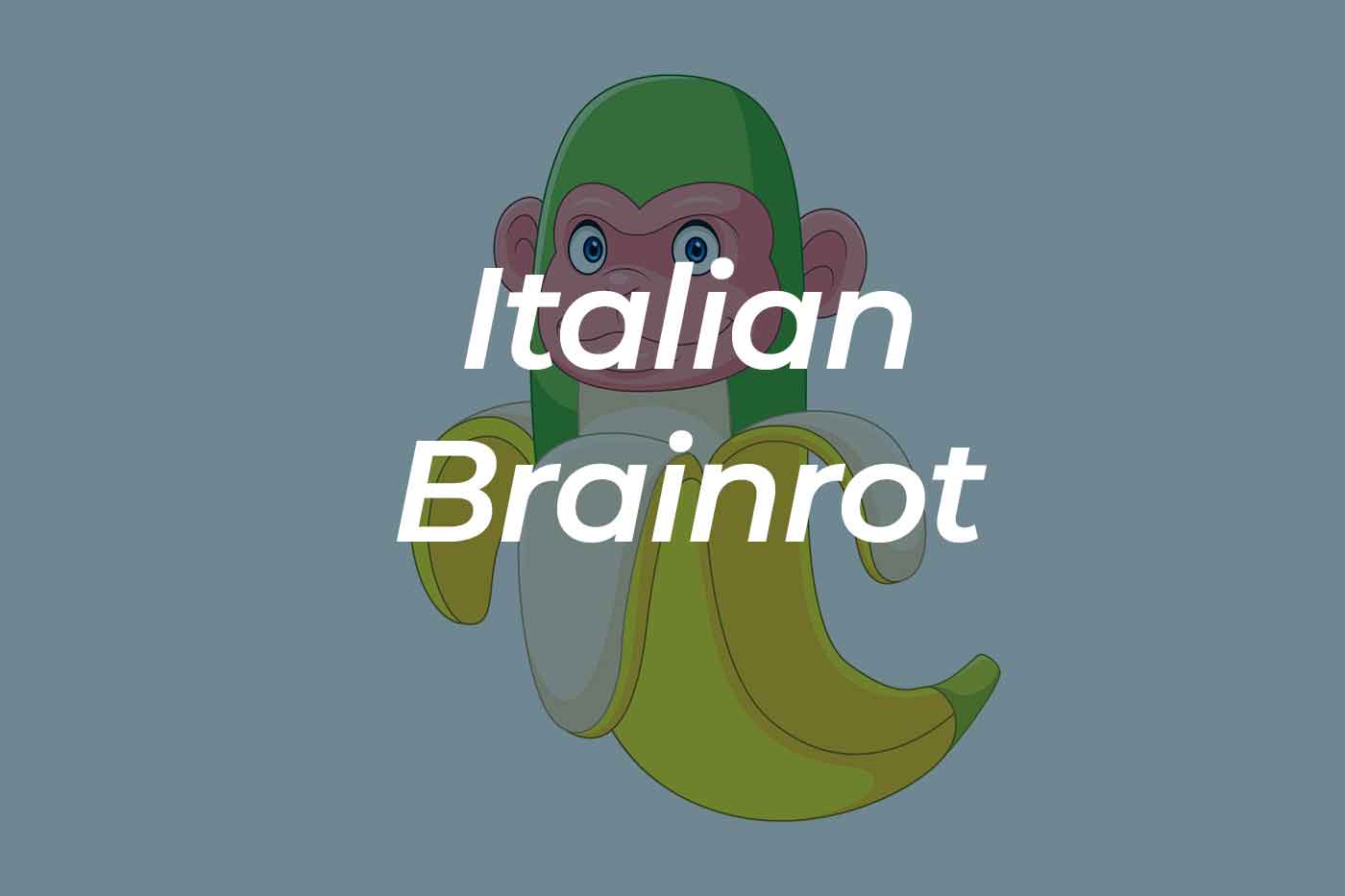

The emergence of surreal characters generated by artificial intelligence (AI) on platforms like TikTok has sparked a viral phenomenon known as Italian Brainrot. These creations (such as Tralalero Tralala, Tung Tung Tung Sahur, and Ballerina Cappuccina) have taken the market by storm in the form of trading cards, toys, video games, and merchandise, but they have also raised important legal questions regarding their protection.
Is it possible to register a trademark without being the creator?
Under the trademark system of the European Union and Spain, the “first-to-file” rule grants exclusive rights to the first party to file an application with the competent office (EUIPO or OEPM), regardless of whether that party is the original creator (since the primary function of trademarks is to indicate the commercial origin of the product or service). This has led multiple parties to attempt to register names associated with the Brainrot universe, resulting in a flood of applications and potential conflicts.
However, the law sets clear limits: if it is shown that an application was filed in bad faith (for example, to misappropriate preexisting rights), it may be challenged. But the burden of proof always rests with the claimant.
Can authorship be protected in AI-generated works?
Current legislation recognizes copyright only for individuals. In the case of characters created using AI, the recognition of authorship depends on the degree of human intervention and the presence of originality. If the result is the product of precise instructions and creative control by the prompt writer, it could be considered a protected work, provided it possesses originality and creative merit. The challenge lies in being able to prove it.
In addition, the terms and conditions of use for AI platforms may affect ownership of the results, which adds complexity to legal protection.
Trade Frictions and Brand Coexistence
The proliferation of trademarks selling products associated with Brainrot may lead to commercial friction, with cross-oppositions between applicants. However, it may also be the case that simultaneous applications result in the peaceful coexistence of trademarks when they cover distinct market segments—provided, of course, that no legal action is taken against them by their legitimate owners.
For example, the same name could coexist if it is used for different products (such as toys versus clothing) and does not cause confusion among consumers. This possibility, although less common, is legally viable and can be a strategic option for companies that wish to capitalize on the popularity of the phenomenon without entering into direct conflict with other owners who already hold the registration. However, this does not prevent a legitimate owner who can prove their rights from challenging the registration or filing infringement claims, as appropriate.
How can you protect yourself against unauthorized copying and use?
The proliferation of products inspired by Brainrot has led to commercial friction and the risk of plagiarism. To prevent this, it is essential to have an adequate protection strategy in place: registering trademarks and designs, actively monitoring the market, and using technological tools to detect counterfeits.
Platforms such as Amazon, eBay, and Google allow for the removal of infringing products within 24–48 hours if ownership of the right is proven. However, for this protection to be effective, there must be both a valid, enforceable right and a right holder.
Are we looking at a folk creation?
The difficulty in identifying legitimate authors has led some experts to compare the phenomenon to folk creations passed down orally. If no one claims authorship of characters such as Tralalero Tralala, or of the content featuring them (videos, memes, songs), copyright protection remains open to anyone, subject to a claim by anyone who believes their legitimate rights have been infringed.
What if the Brainrot phenomenon fades away?
The regulations provide that trademarks that are not actually and effectively used for five years shall lapse. However, this period is considered a reasonable timeframe for the owner to begin commercial exploitation of the trademark. In viral phenomena such as Brainrot, this “grace period” can be decisive in establishing a monetization strategy.
The viral nature of AI-generated creations poses new challenges for trademark and intellectual property law. In this context, specialized legal advice is key to avoiding conflicts, protecting intangible assets, and capitalizing on the opportunities offered by the digital environment. At Elzaburu, we work with companies, creators, and rights holders to design effective legal strategies for registering, defending, and exploiting their trademarks in an increasingly complex and digitized ecosystem.
Enrique Jacobo, a trademark attorney at Elzaburu.