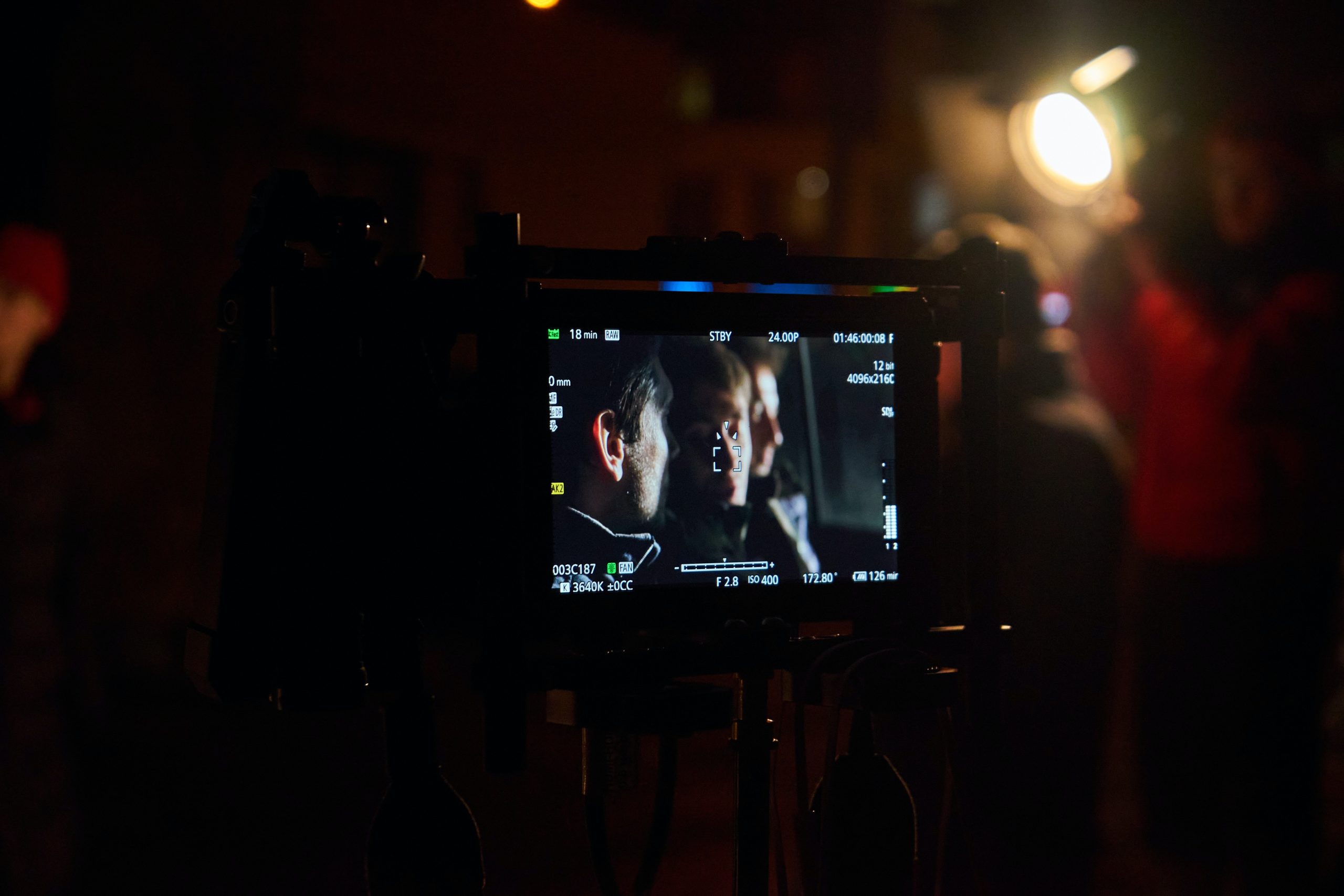

On August 25, 2021, the Court of Justice of the Andean Community (hereinafter “TJCA”) ruled on the authority of the director of a motion picture to edit, cut , or delete previously filmed scenes and analyzed how that authority interferes with the related rights of performers.
The Court first refers to the grounds on which a cinematographic work is protected by copyright, citing Articles 3 and 4 of Decision 351 ofthe Common Regime on Copyright and Related Rights (hereinafter “Decision 351”), which provide that an audiovisual work is protected by copyright provided that it is original, meaning that the work includes“the personal imprint, uniqueness, or distinctiveness of the author or authors.”
To understand the above, it is important to distinguish between the author of a cinematographic work and the artist who participates in it. The former is the individual who creates the intellectual work, while the latter is the person who acts, sings, reads, recites, performs, or otherwise brings a work to life. In this sense, the creator of the work—who, in the case of audiovisual works, is the director—holds the moral and copyright in the work, while the artist is the one who brings a character to life in a unique and singular way, following the requirements of a script. It is because of this uniqueness in the artist’s performance that Chapter X of Decision 351 grants related rights to artists, including the right to“object to any distortion, mutilation, or any other infringement upon their performance or rendition that may harm their reputation.”
This latter right granted to artists should not be confused with the economic right of adaptation held by the author over the work. What is granted to artists is the right, in certain cases, to“seek protection of their moral right of integrity when distortion, mutilation, or any other infringement upon their interpretation or performance could harm their prestige or reputation.”
For their part, directors, insofar as they are the authors of a cinematographic work, have the right to edit the work, including the option to cut or remove previously filmed scenes, as well as to authorize its adaptation. This is why the rights held by directors may, on certain occasions, conflict with the related rights of performers.
In light of the foregoing, the question is to what extent the director may edit the work he or she has created without infringing on the artists’ related rights. The Court notes that the author of the audiovisual work—that is, the director—may edit or even remove an artist’s performance, for example by cutting a scene, subject to no limitation other than that such removal must not be intended to intentionally harm the performer’s prestige or reputation.
Furthermore, when analyzing the infringement of artists’ rights resulting from the removal of scenes in which their performances appear, the Court distinguishes between different types of actors (leading actors, supporting actors, etc.) in terms of protecting their performances. Thus, the level of protection afforded to an actor will vary depending on their role in the audiovisual work; consequently, a lead actor will enjoy greater protection than a supporting actor, and extras or background actors—since they are not considered artists or performers—will not be entitled to any protection in cases where scenes in which they appear are removed.
Based on all of the foregoing , we can conclude that the director of an audiovisual work will not infringe upon an artist’s related rights, and therefore the artist may not object to the removal of scenes in which he or she appears, provided that such removal is not done with the intent to damage the artist’s prestige or reputation. In order to file an objection, the artist, performer, or actor must be able to duly prove that the director’s removal was carried out with the aforementioned harmful intent.
Author: Claudia Pérez Moneu