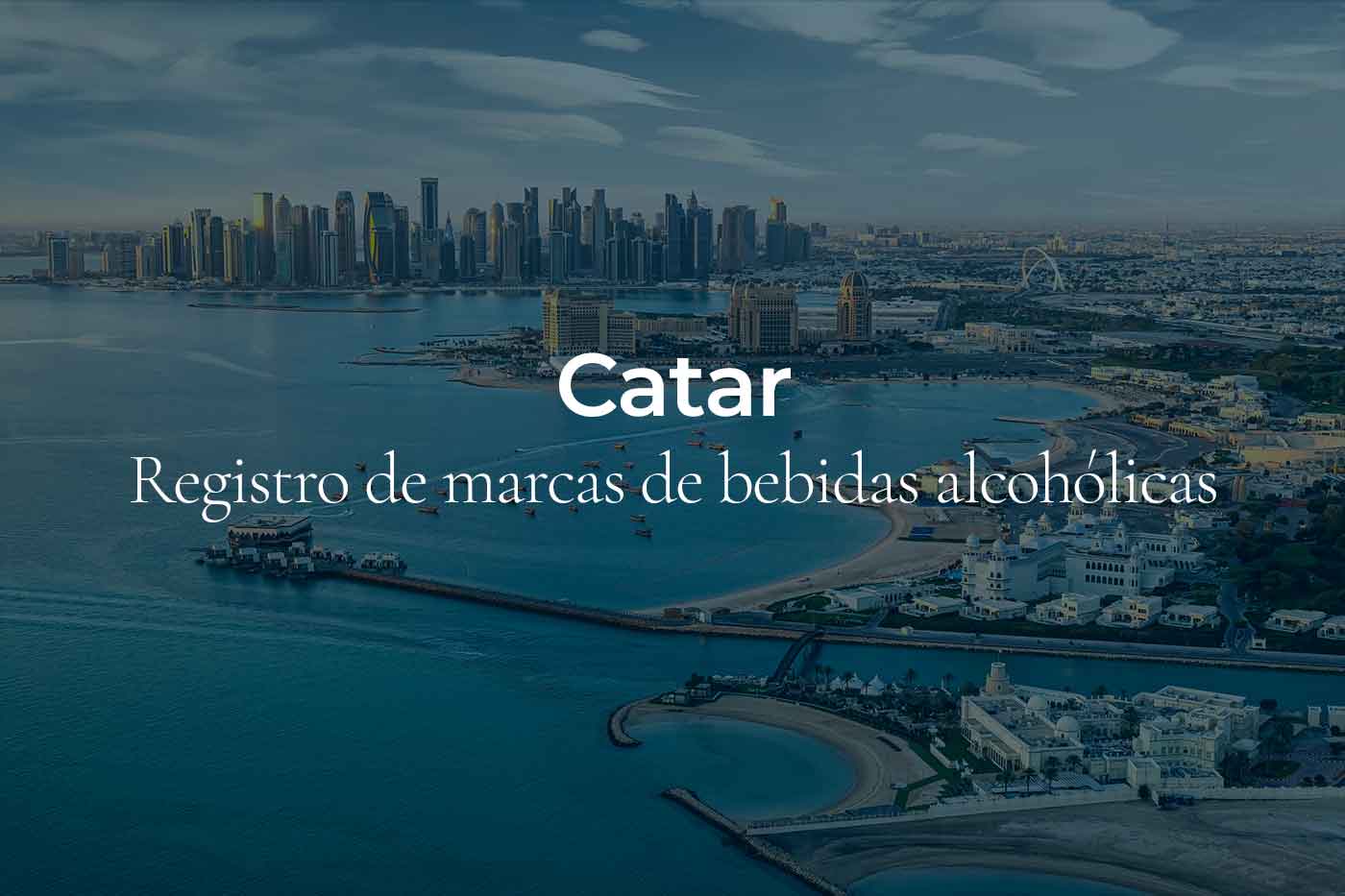
In Qatar, as in other countries where Sharia law applies, the ban on alcohol applies to both citizens and tourists; therefore, it is not possible to sell alcoholic beverages unless a special permit is obtained.
Alcoholic beverages may be consumed at specific establishments—such as hotels and restaurants that have obtained a license—or, if purchased for personal consumption, only under certain conditions that even affect how the product is transported and the quantity that may be purchased.
To respect the country's customs, as is obvious, it is also not permitted to drink alcohol on the street or be intoxicated.
2022 FIFA World Cup in Qatar
As a curious aside, in the context of the 2022 FIFA World Cup in Qatar—the first World Cup held in the Middle East, which was expected to mark a certain break from certain stereotypes, prejudices, and clichés—the sale of alcohol also took center stage in the media. As reported by the international press, this issue was the subject of last-minute negotiations between FIFA and Qatari authorities, who initially agreed to allow the sale of beer in restricted areas but then reversed that decision just days before the tournament’s opening.
Change in Trademark Practice in Qatar in February 2026
Well, earlier this year—2026—the country announced a significant change in its trademark practices that directly affects the alcoholic beverages sector. Until now, the aforementioned legal restrictions on the sale and consumption of alcohol had, in practice, prevented the registration of trademarks for these types of products.
Adoption of the 13th Edition of the Nice Classification
The adoption of the 13th edition of the Nice Classification marks a turning point, as it allows, for the first time, registration in all classes of goods and services—from Class 1 to Class 45—thereby including goods in Classes 32 and 33, which cover alcoholic beverages.
- Class 32: Beers
- Class 33: Wines, Liqueurs, and Alcoholic Beverages
Opportunity for Spanish and European companies
For Spanish and European companies, this presents an opportunity to take proactive steps to protect their trademarks, regardless of other legal, regulatory, and social considerations that will determine what can be eaten and drunk in Qatar and that must continue to be complied with.
Alignment with other countries in the Gulf Cooperation Council
This decision also aligns Qatar's position with that of other Gulf Cooperation Council countries, removing administrative barriers, opening a strategic window of opportunity for global brands, and eliminating the need to adapt strategies in order to obtain a certain level of protection.
A significant impact on the Spanish wine and beer industry
Given that our country has one of the largest vineyard areas and is one of the world’s leading wine producers, and given that the brewing industry is also a pillar of the agri-food sector in our economy—and that some of our brands are present in international markets—this news is sure to generate interest. And not only to take proactive steps to protect trademark rights but also to establish monitoring measures against applications filed by third parties.
Cristina Arroyo, Director of the International Brands Division at ELZABURU