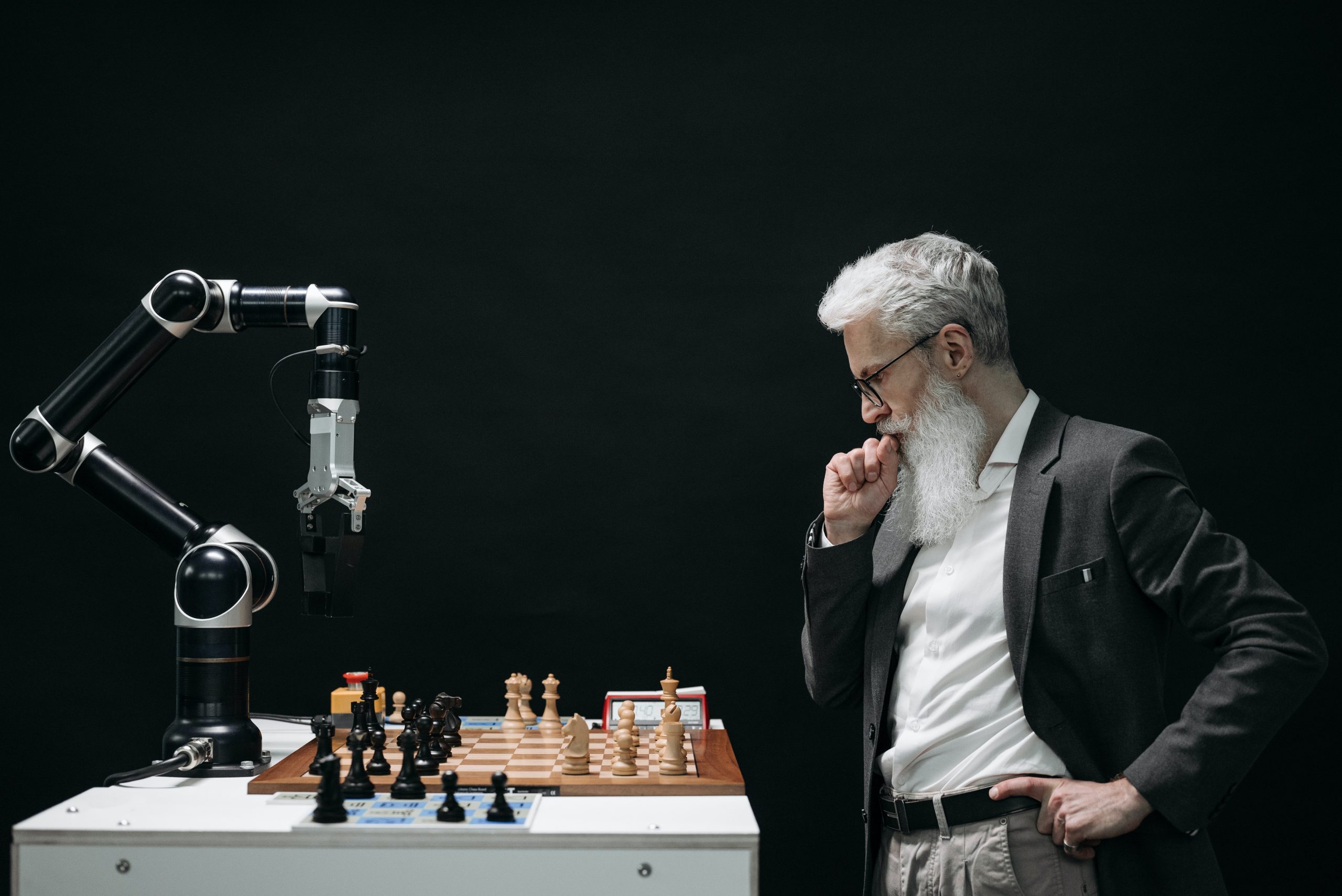

Artificial Intelligence (AI) is changing the world we live in. The ability of AI algorithms to analyze vast amounts of data, make connections, draw conclusions, and even solve specific tasks by combining the knowledge gained from data analysis is leading to the emergence of computer applications and/or devices that perform tasks that were, until recently, impossible or had not even been considered.
AI is already present in every field
Artificial Intelligence is used in fields such as medicine, where it aids in the analysis, diagnosis, and prediction of diseases, as well as in the development of new drugs; in environmental science, where it enables the analysis of meteorological and/or environmental data on ecosystems, making it possible to prevent or respond to pests, fires, floods, etc.; or in the analysis of human behavior, such as road traffic, to help provide solutions to congestion in large urban areas.
This reality is also affecting industrial property. It is becoming increasingly common for companies to seek patent protection for inventions developed by an artificial intelligence application.This poses a challenge to most patent laws around the world, which generally define a patent as a right granted to a human inventor, rewarding their effort and granting them a period of exclusivity to exploit the fruits of their labor and knowledge.
What should be done when the inventor is not human?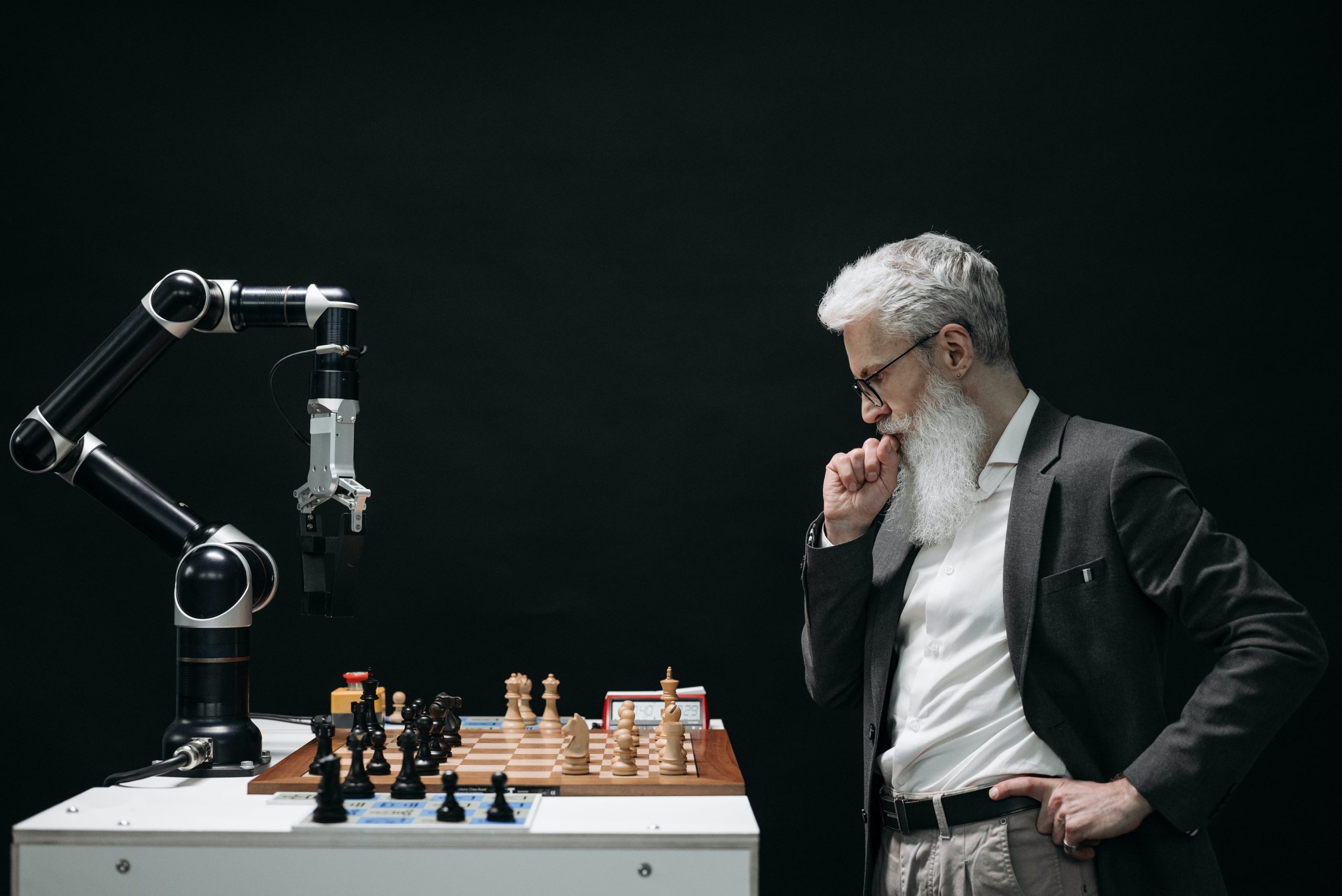
Many national patent offices and courts in many countries are finding themselves in the position of having to decide whether to grant patents for inventions that were not developed by a human mind.In the vast majority of cases, the decisions made by these bodies tend to reject such patents.
Aside from the question of whether current national and international laws allow for the protection of inventions developed using AI, this issue raises philosophical and practical implications regarding whether or not a patent should be granted for an invention produced by a machine.
For example: How can a human mind (that of a patent examiner) assess the criterion of inventive step required of an invention (the invention’s “non-obviousness”), when “the one” who invented it is an entity that has absolute knowledge of all data published worldwide and throughout history regarding that subject matter, and possesses a capacity to correlate that data that exceeds that of any human mind?
The Need to Update Laws
In any case, it seems necessary to address the issue of inventions created by artificial intelligence systems, and for countries to adapt their industrial property laws to provide at least some degree of protection for these developments. Otherwise,this could discourage the activities of technology companies that, with the help of such systems, seek to provide technical solutions that improve people’s lives.
Is it necessary to amend the regulations under current patent laws to include specific criteria for this type of invention? Would it be better to establish a new type of intellectual property protection to address the protection of these inventions? In any case, it seems necessary for all countries that are signatories to international treaties on the protection of industrial property to address this issue collectively, in order to harmonize the criteria to be followed for this type of invention.
Author: Juan Bosco de la Vega Churruca