
The court dismissed Heineken's claim and found no evidence of misleading advertising or unfair competition in the advertising for the Spanish brand represented by ELZABURU.
Judgment No. 9/2021, dated January 18, issued by Section 28 of the Provincial Court of Madrid, has upheld the dismissal of the unfair competition lawsuit filed by Heineken against its competitor Mahou in connection with the advertising campaign for the launch of Mahou Cinco Estrellas Radler in the summer of 2018.
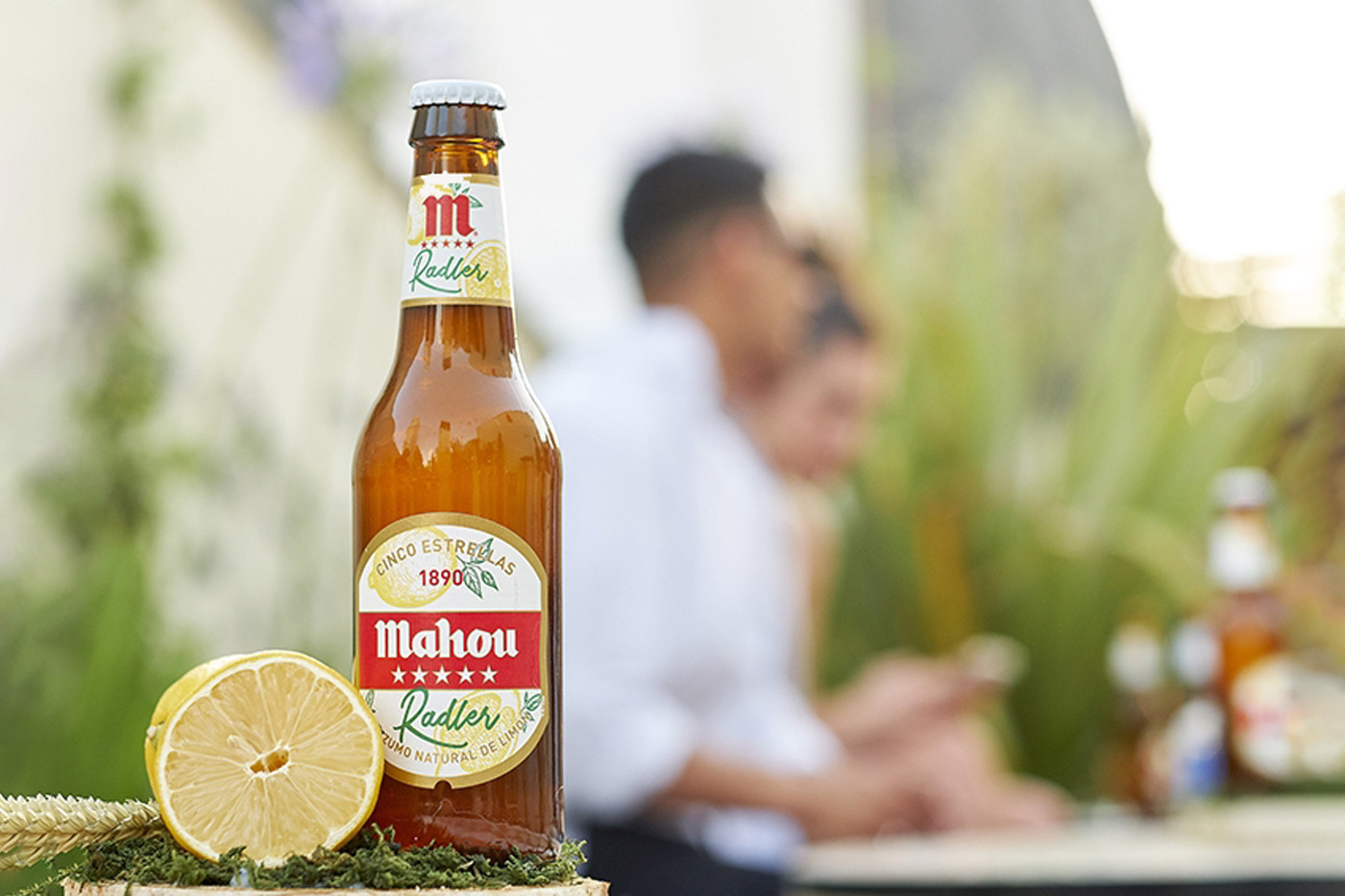
The advertisements released as part of that campaign to launch the new product included the slogans“The First Cinco Estrellas Radler”and“The First Cinco Estrellas Radler with Natural Lemon Juice,”along with an image of the bottle or can of the beer in question.

Heineken argued in its complaint that the words “the first” in that advertising slogan could only be interpreted in two ways: in a chronological sense, as the first Radler-style beer to appear on the market; or in a sense of preeminence in terms of quality, above all other Radler-style beers. Since, according to Heineken, neither of these two interpretations was true, the advertisement constituted misleading advertising with an exclusionary tone, prohibited by Articles 5 and 7 of the Unfair Competition Act.
The message conveyed by the controversial advertisement, however, differed from the only two interpretations put forward by the plaintiff. The prominent image of the Mahou beer bottle or can, with its famous “Mahou Cinco Estrellas” brand in the foreground, informed the viewer that this was the brand’s first “Radler”-style beer—or beer with lemon—to appear on the market. The advertisement therefore had a chronological significance, though not an absolute one, and specifically referred to Mahou’s well-known Cinco Estrellas beer.
This was the understanding of both the Madrid Commercial Court No. 12, at the first instance, and the Provincial Court of Appeal. Both courts applied the legal doctrine according to which advertisements must be considered as a whole to assess whether they are misleading.
The analysis proposed by Heineken, which excluded the advertisement’s main graphic element—the image of the beer being advertised—was flawed and led to a misinterpretation of the message conveyed.
The court’s ruling was further supported by a market study submitted by Mahou as part of the proceedings, in which only 3% of respondents spontaneously interpreted the advertisement in any of the ways argued by Heineken, compared to more than 20% who understood it as an advertisement for the first “Radler”-style beer from the Mahou brand.
Access to the article published in Expansión Jurídico.
Author: Carlos Morán