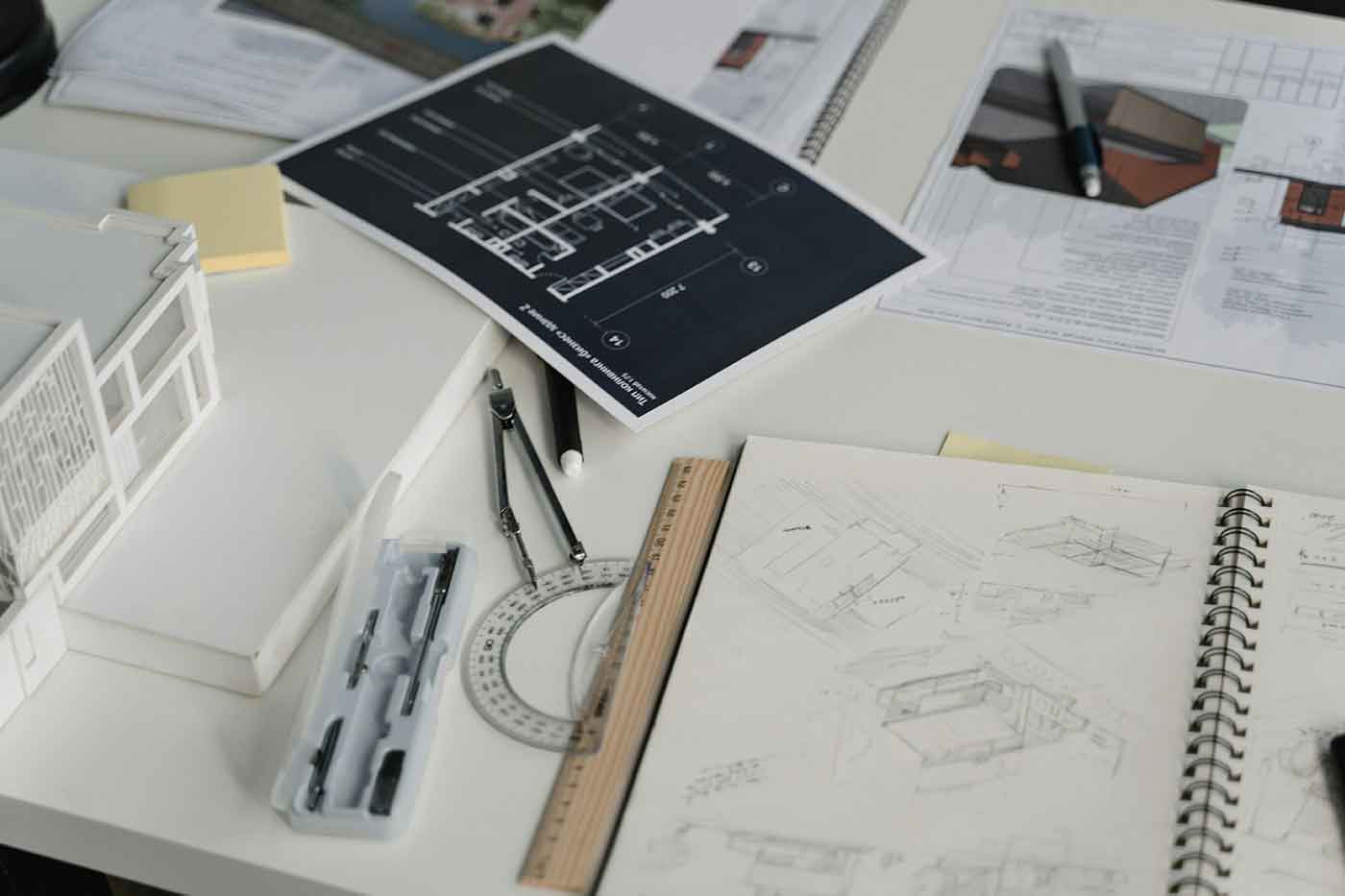

The legal framework governing the protection of industrial designs in the European Union has been updated with the entry into force of Regulation (EU) 2024/2822 and Directive (EU) 2024/2823. This legislative reform marks a significant milestone in the harmonization and modernization of the system for registering and protecting industrial designs in Europe, as the previous directive dated back to 1998.
With this reform, the European Union seeks to facilitate access to industrial design protection, particularly for small and medium-sized enterprises (SMEs), while adapting to the technological and economic challenges of the digital age.
Key Consequences of the Legislative Reform on Designs
- Change in terminology: The term “Community design” is replaced by “European Union design, ” which brings this concept into line with others such as the “European Union trademark.”
- There is a limit of 50 designs per multiple request.
- The class unity requirement for multiple design applications in the EU has been eliminated: it is now possible to include designs from different classes in a single application.
- The publication fee is eliminated for design applications (filed on or after May 1, 2025) and requests for deferment of publication. Under the new rule, if you wish to abandon a design without publishing it, you must expressly renounce the design (abandonment by default will no longer be an option).
Other Implications of the New Law on Industrial Designs and Models
1. Expanding the Concept of Industrial Design
One of the major innovations in the industrial design law is the broadening of the definition of “product” eligible for protection. From now on, it will be possible to register not only designs applied to physical objects, but also those that:
- They can be viewed in graphical or digital environments.
- Depict the spatial arrangement of elements in indoor or outdoor settings.
- Include animations, movements, or transitions as part of the design's visual style.
2. Scope of Protection and Visible Elements
Protection is limited to the features visible in the representations of the registered design. However, those features need not be visible at any specific moment or in any specific situation of use. There is only one exception: in the case of components of complex products, protection applies only to the elements visible during normal use of the product.
3. Legislative Harmonization and Redress Clause
The clause regarding the repair of replacement parts becomes mandatory for all European Union member states. This harmonizes the legal situation regarding the use of protected designs to repair a complex product and thereby restore its original appearance, when the design is incorporated into an object that constitutes a component of a complex product on whose appearance the protected design of the component depends.
4. Preventing Unauthorized 3D Printing
Another critical issue is the emergence of technologies such as 3D printing. To prevent infringements, the new regulations clarify that: “the creation, downloading, copying, and making available of any medium or software that records the design for the purpose of reproducing a product that infringes on the protected design,” without authorization, is strictly prohibited.
5. Representation of Designs: New Accepted Formats
The regulations also call for an update to the formats allowed for submitting designs. Pending official confirmation, it is expected that videos and 3D images will be accepted as alternative means of representation to the traditional seven static views.
6. Changes in Rates and Associated Costs
Significant changes have been made to the fee schedule:
- Increase in renewal rates.
- Reduction of appeal rates and declarations of nullity.
- Elimination of fees such as publication and transfer fees.
Timeline for Implementing the Design Standard: Two Key Phases
This reform will be implemented in two phases:
- First phase: May 1, 2025, when many of the changes described take effect.
- Phase Two: July 1, 2026, when the rollout of the new regulatory framework will be completed.
For their part, EU member states will have until December 9, 2027, to incorporate the changes from the new directive into their respective national laws.
New Law on Industrial Designs and Models: A Step Forward in Design Protection
Although this is not a regulatory revolution, this update represents a substantial improvement in the legal protection of industrial designs in the European Union. The filing and registration system remains in place, and substantive examination of designs continues to be conducted only in cases where an application for a declaration of invalidity is filed against a registered design.
Similarly, we won't know until next year how the key aspects of the second phase will play out. Some of these changes could have a significant impact in practice, both for designers and for companies that use industrial designs as a competitive asset.
Ultimately, users of the design protection system in the European Union will have new legal tools at their disposal that will allow them to protect their creations more effectively and flexibly in an increasingly digital and globalized market.
At Elzaburu, we will continue to provide updates on how the practical implementation of these reforms is progressing, especially as we look ahead to the second phase, which will take effect in 2026.
Pedro Saturio, Associate Partner in the Patent Practice Group at Elzaburu.