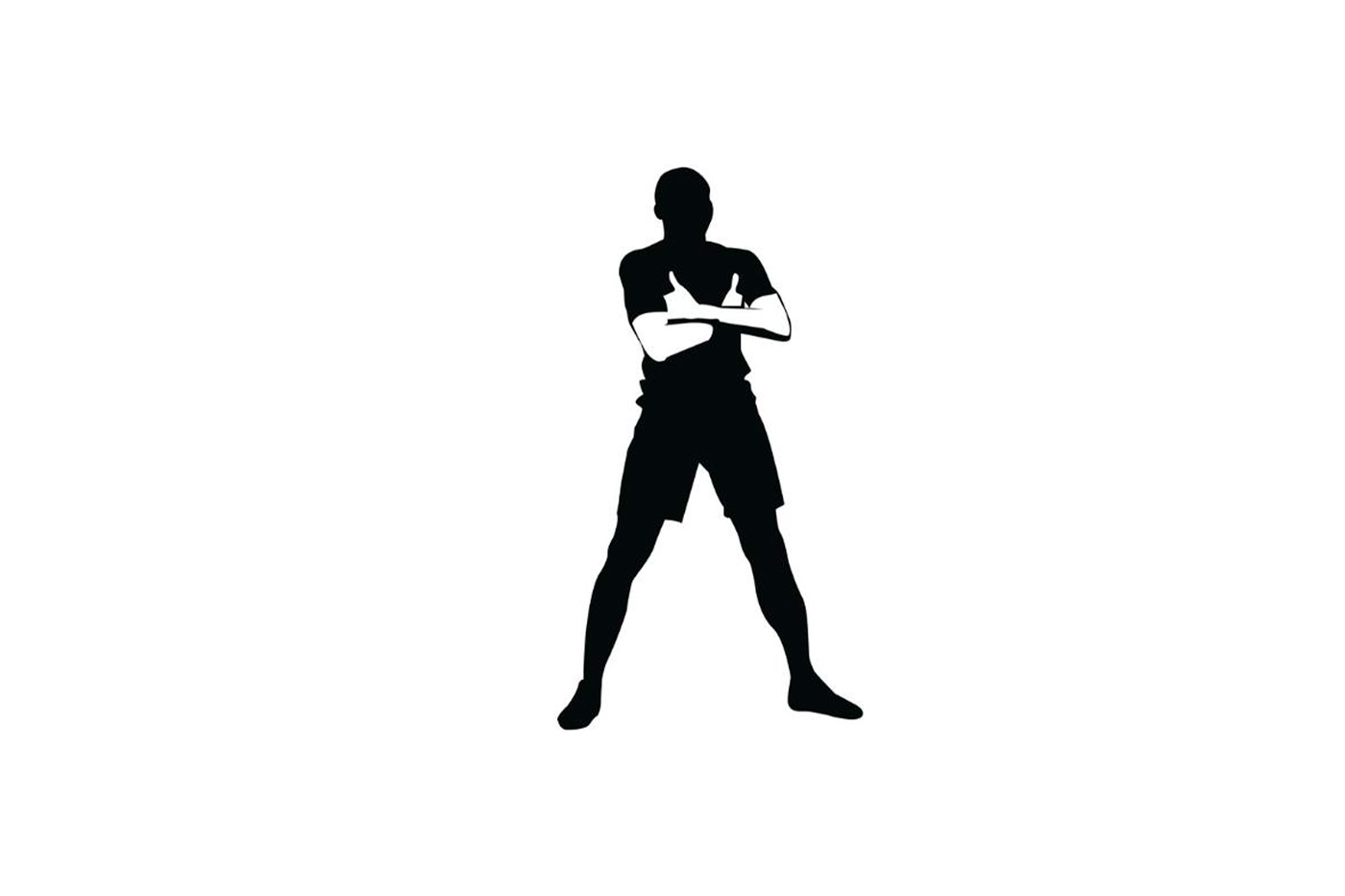

With the start of the 2024-2025 La Liga season in Spain, soccer fans are eagerly awaiting what stars like Kylian Mbappé will bring to the field.
But beyond the goals and plays, there is a growing phenomenon in the world of soccer that is attracting the attention not only of fans but also of attorneys specializing in intellectual property: the trend among soccer players to register their iconic celebrations as trademarks.
Why are soccer players recording their celebrations?
In the world of sports, especially in soccer, goal celebrations have become a personal trademark for many players.
Not only do these serve to express emotion, but they have also become distinctive features that fans immediately associate with a particular player.
Kylian Mbappé, for example, has applied to register his famous goal celebration as a trademark, obtaining several registrations both in his home country, France, and throughout the European Union through the EUIPO.

Kylian Mbappé Figurative Mark 017157355 (EUIPO)

Kylian Mbappé's French brand 4978108
The interest in registering celebrations as trademarks stems from the ability to protect and monetize these unique expressions. A registered trademark grants the owner the exclusive right to use that celebration in commercial products, licenses, and other forms of economic exploitation.
This becomes a valuable asset for soccer players, who can diversify their income beyond their athletic careers.
Requirements for Registering a Celebration as a Trademark
The process of registering a celebration as a trademark is not much different from registering any other distinctive sign.
Under current regulations, trademarks may include words, designs, letters, numbers, colors, the shape of a product or its packaging, or sounds, provided that they serve to distinguish a company’s goods or services from those of others.
For a celebration to be registered as a trademark, it must meet certain requirements.
1. Be graphically representable
First, it must be graphically representable. This means that the celebration can be a figurative mark (a static image), a dynamic mark (an animation), or even multimedia, such as a combination of video and sound.
Some notable examples outside of soccer include the famous image of Michael Jordan known as “Jumpman,” which is a registered trademark of Nike, or, outside of sports, the motion trademark registered by Twitter featuring moving hearts.

Michael Jordan's figurative trademark known as "Jumpman," registered by Nike under number 000277913 (EUIPO)
2. Meet the criteria for trademark registrability
Although these registrations demonstrate that it is possible to protect gestures, movements, and multimedia combinations, we must not forget that they must also meet the criteria for registrability (distinctiveness, not being contrary to public policy, not causing confusion, etc.)
What are the legal implications?
Registering a celebration as a trademark grants the owner exclusive rights to its use in the commercial sphere. This means that, in theory, a soccer player could prevent other players from using his registered celebration on products or services without his consent.
However, it is important to note that these rights apply only in the economic sphere, not in the sporting sphere. In other words, if another player performs the same celebration during a game, he would not be infringing on the trademark.
On the other hand, although a celebration can be registered as a trademark, it does not necessarily meet the originality requirements set forth in the Consolidated Text of the Intellectual Property Law to be considered a work protected by copyright.
This is because intellectual creations require a significant degree of originality, which can be difficult to demonstrate in the case of repetitive gestures or movements.
However, even if a soccer player has not registered a trademark, he or she could still argue that his or her intellectual property rights have been infringed if someone uses his or her gesture in an unauthorized and profit-making manner.
In some cases, there may also be a claim for violation of the right to honor, personal and family privacy, or one’s own image, as established by Organic Law 1/1982.
Ultimately, registering nicknames as trademarks is just one of the many strategies that athletes and clubs use to protect and capitalize on their image and reputation. Soccer players often register their signature, name, or initials as trademarks in order to secure their legacy and maximize their earnings in an increasingly competitive environment. But we’ll discuss that in another article…
Luis Baz, Director of the Brand Divisionat ELZABURU