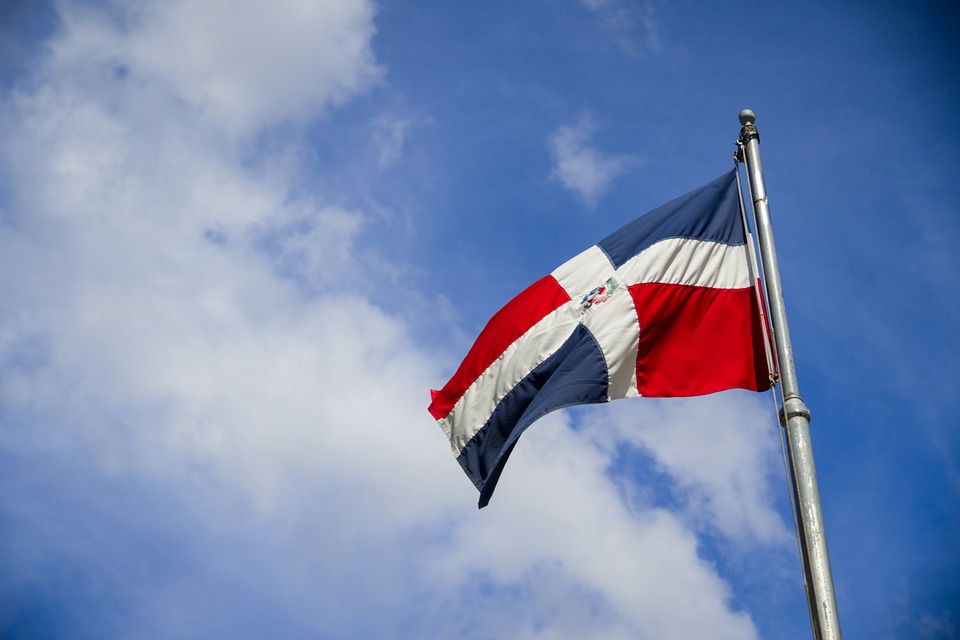

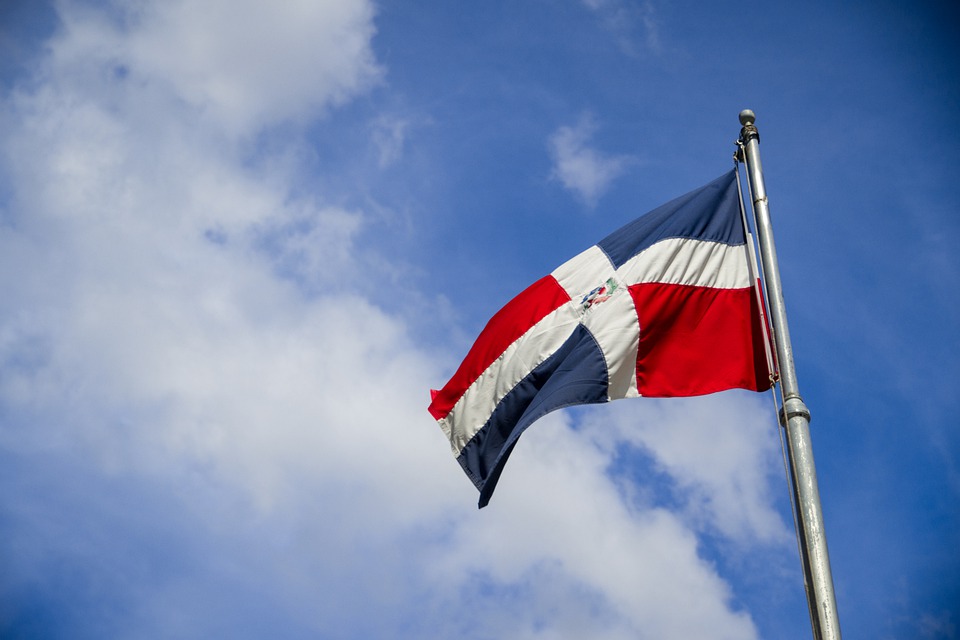
On September 29, the Kingdom of Spain and the Dominican Republic signed an international administrative agreement to regulate and promote film and audiovisual co-productions between the two countries.
Under the agreement, co-productions of audiovisual works between these two countries must be approved by the competent authorities of both countries: the Institute of Cinematography and Audiovisual Arts on the Spanish side, and the General Directorate of Cinema on the Dominican Republic side, in accordance with the regulations in force in each country. Such approval shall be irrevocable, except in cases where the commitments initially undertaken by the co-producers are not honored. Works that receive approval from both institutions shall be considered national productions in both countries.
Works produced as co-productions under this agreement shall be eligible for the advantages and benefits granted by each country, and only the co-producer from the country granting such benefits may be the beneficiary. In all cases, such works must be exhibited and marketed under the designation “Dominican-Spanish Co-production” or “Hispanic-Dominican Co-production.”
The proportion of each co-producer’s respective contribution to the work may range from 20% to 80%. Financial co-productions are permitted; however, works produced under this arrangement must have a budget of at least one million euros, and the percentage of the production company whose participation is exclusively financial must be no less than 10% and no more than 20%. An annual limit of six works under the financial co-production regime is established.
The distribution of the profits generated must be proportional to each producer’s contribution, unless otherwise approved by the competent authority.
The actual participation of creative, technical, and artistic personnel who meet the requirements for the granting of citizenship must be proportional to each co-producer’s financial contribution. In addition, the contribution of the minority co-producer must include, at a minimum, the participation of one writer, two actors or actresses, and one technical creative professional.
Both production and post-production work must be carried out either in Spain or in the Dominican Republic, unless the competent authorities authorize otherwise due to script requirements or technical impossibility.
In addition, the agreement includes measures designed to facilitate the entry of film crews and equipment, as well as monetary transactions and the export of film and audiovisual works.
The agreement, which has been in effect since last September, will remain in force for a period of five years and will be automatically renewed for successive periods unless either country terminates it.
Author: Clara Collado Carbonell