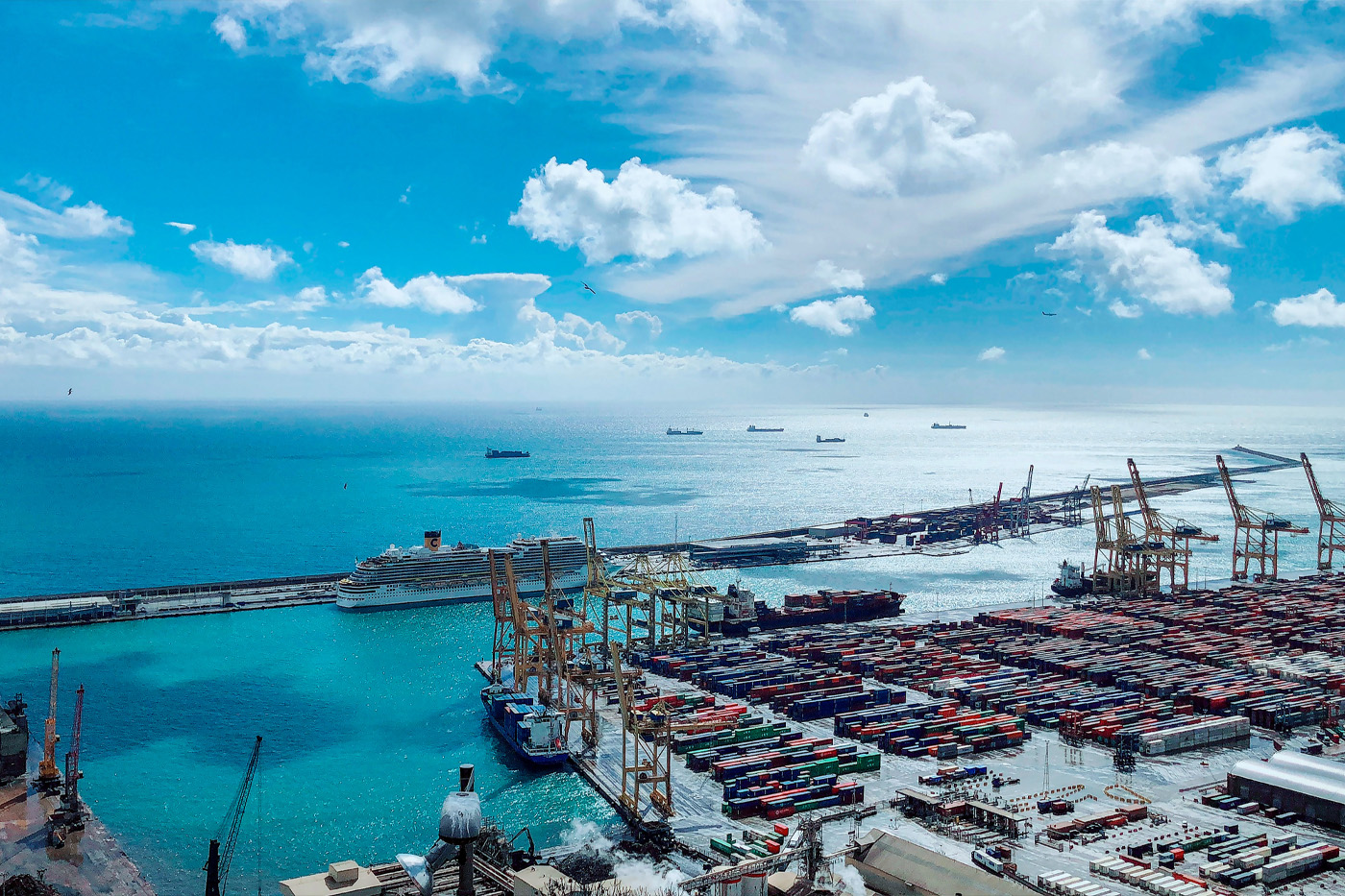

As part of this series, we now turn our attention to Spain, delving into the complexities of trademark protection challenges and the best solutions at the country’s borders and points of entry.
Juan José Caselles, Head of the Anti-Counterfeiting Department at Elzaburu, shares his insights on fostering effective collaboration with customs officials at Spanish border crossings and ports. He then provides a comprehensive guide to successfully monitoring and enforcing measures against counterfeit and gray-market products in the marketplace.
Can rights holders register information about trademarks and intellectual property with customs authorities, and if so, how?
In Spain, as throughout the EU, Regulation (EU) No. 608/2013 on customs measures to protect intellectual property rights applies. The application for customs intervention (AFA) is filed with the Department of Customs and Excise of the Tax Agency, using the form provided in the aforementioned EU Regulation. It can be submitted online using an electronic signature. In this application, the applicant may select all or only some of the EU countries in which customs protection is sought and designate representatives in each country for notification purposes. Currently, no administrative fees are required. The applicant for customs intervention in the country of origin may make any changes to the application by updating the information.
In addition to trademark registrations, can copyright registrations be filed with customs?
The latest amendment to Regulation (EU) No. 608/2013 provides for the protection of all intellectual property (IP) rights, including trademarks, copyrights, patents, designs, geographical indications, and plant varieties. The only difference among all these IP rights is the different methods of proving their existence or registration; any reliable means of proving the asserted right is valid. In addition, the right invoked must have EU-wide scope. If the right has only national scope, the AFA must be requested with coverage for the Member States in which it is valid.
Can trademark owners provide customs officials with a product information guide or any other supplementary materials to help them identify genuine products?
The more information provided to customs authorities, the more effective the monitoring will be. The information required on the application form includes: specific and technical details about the genuine products, including marking elements such as barcodes and images where applicable; the information necessary for customs authorities to easily identify the products in question; and information relevant to the customs authorities’ analysis and assessment of the risk of infringement of the intellectual property right or rights in question, such as authorized distributors. At least in Spain, the AFA and all information provided must be in digital format. This ensures that all customs officials have access to the same information and can communicate with authorities in other EU countries.
What is the standard procedure for seizure or further investigation if customs officials identify potentially counterfeit products?
Customs officials review the shipment’s documentation and assess risks from various perspectives, such as the country of origin, the route taken, the declared value of the goods, and the importer. If they need more information, they request it from the person declaring the shipment. When customs officials detect a suspicious shipment, they detain it.
How are trademark owners typically contacted when suspicious or counterfeit products are identified?
Once the shipment is officially detained, the party subject to the customs protective measures is notified and given 10 days to inspect the products. These actions may include requesting the destruction of these counterfeit products and, if the importer refuses to destroy them, filing civil or criminal charges within the same 10-day period. If these actions are not taken within the deadline, the shipment will be released.
Are there any time-sensitive factors that trademark owners should take into account regarding the protection of IP rights at customs?
All actions must be taken within the aforementioned 10-day period. Although an extension may be requested, there are no specific rules governing whether it will be granted; therefore, it is at the discretion of each customs office. Because this is a short timeframe, IP rights holders must act as quickly as possible in the event of a detention.
What are the potential costs of working with customs officials to protect a brand's intellectual property?
The party responsible for the customs intervention must bear the costs associated with the detention, such as the costs of storing and destroying the detained goods. In addition, they must also cover the costs of translations into certain EU languages. Currently, no fees are required to be paid to the customs administration. This fee-free policy was a practice adopted by Spanish customs authorities that eventually spread to the rest of the EU. It is essential to proceed with destruction as soon as possible to save on storage costs.
Can you provide examples of successful collaborations between international companies and customs authorities that have yielded tangible results?
Of particular note are Operation Fake Star and other joint international EMPACT operations. To this end, the private sector used IPEP’s alert and “cases of interest” features to share relevant information with the various competent authorities, while the authorities could request data from the private sector by submitting “suspicious cases.”
Meanwhile, the European Commission has just published the results of customs seizures in the EU for 2022. In terms of both the number of items seized and their estimated value, the top six Member States accounted for nearly 97% of all seizures in the internal market in 2022. Italy tops the ranking with more than 63% of the total number of items seized and nearly 55% of the total estimated value. Spain, France, the Netherlands, and Hungary also rank among the top six in both the number of items and the estimated value of seizures, while Bulgaria and Greece round out the ranking in terms of the number of items seized and estimated value, respectively.
What proactive strategies can trademark owners use to improve their collaboration with customs officials?
Close collaboration between customs authorities and rights holders, as well as the quality of the information provided by rights holders in their communications, are of the utmost importance for risk assessment in the area of intellectual property rights protection.
The first step is to request customs protection in the EU by appointing a representative in each country who has extensive experience in these matters and maintains excellent relations with the authorities. In addition, the information provided to customs must be kept up to date. If we have information—as detailed as possible—about the upcoming arrival of a suspicious shipment in Spain or another EU country, we recommend using the “red alert” mechanism so that the shipment is physically inspected upon arrival. Another very useful measure is to conduct training sessions for customs officials on how to identify infringements of the rights of IP-holding companies. Finally, since the ultimate goal is to locate the manufacturing site of counterfeit products, the customs information obtained must be analyzed intelligently, cross-referencing data and conducting investigations in the country of origin.
Juan José Caselles, Associate Partner at ELZABURU
Originally published on WTR on December 8, 2023.