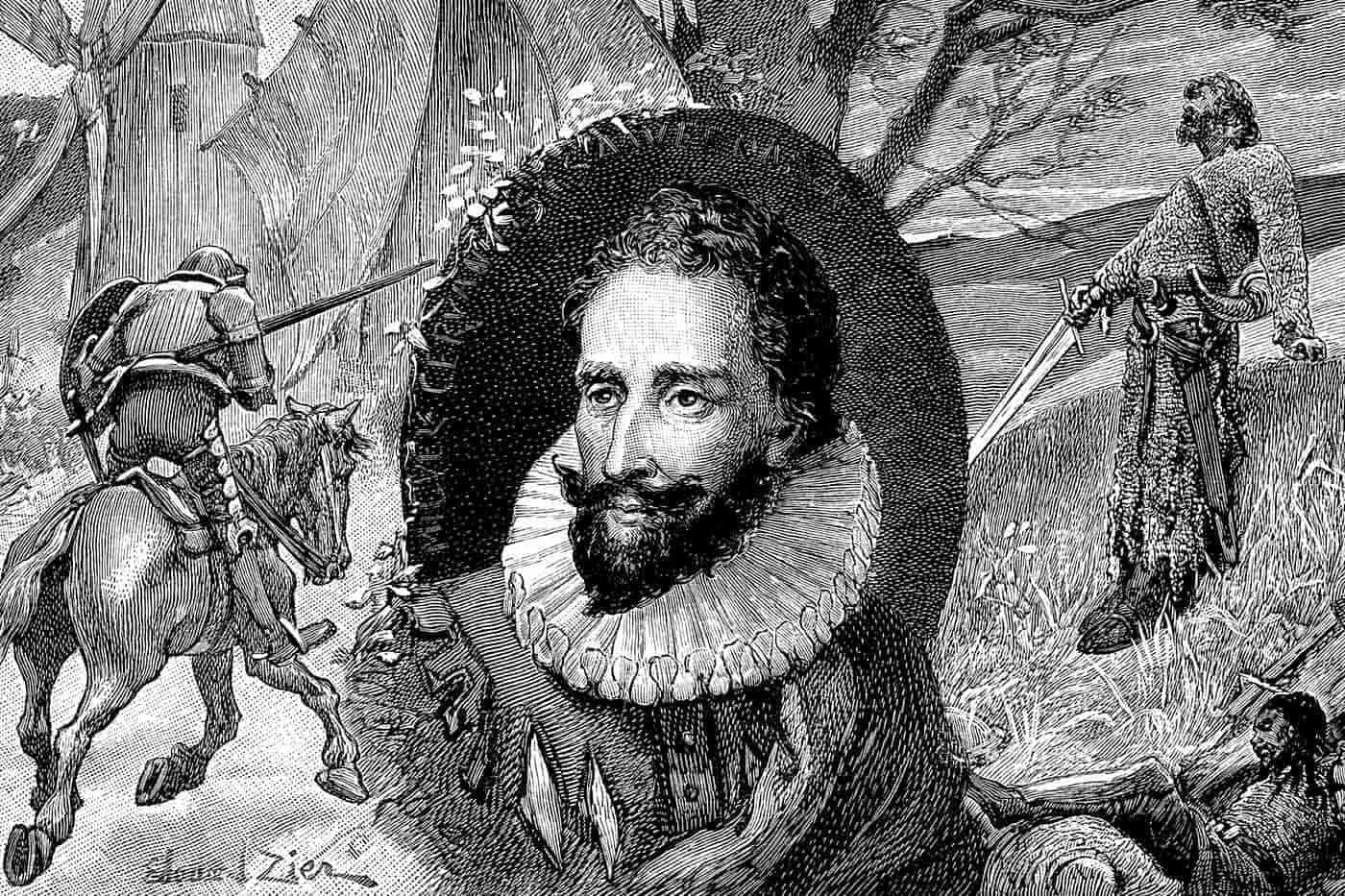

An analysis of Miguel de Cervantes’s work—particularly the Second Part of *Don Quixote*—offers a unique opportunity to reflect on the concept of copyright in today’s context, marked by the rise of artificial intelligence (AI) and the challenges it poses for intellectual property.
Copyright in Cervantes's Works
The second part of *Don Quixote* is not only a seminal literary work but also a historical testament to the need to protect authorship.
Specifically, the episode in which Cervantes responds with his famous line, “Every pig has its St. Martin’s Day,” upon the publication of a fake sequel to his novel, signed by Avellaneda, can be interpreted as one of the earliest instances of what we now consider a copyright infringement.
Cervantes' Critique of Publishing Abuses
Cervantes also openly criticizes the abuses committed by the printers and publishers of his time. By declaring that “I do not print my books to gain fame; I seek profit,” he highlights the importance of creators receiving fair compensation for the use of their works—a central principle of modern copyright law.
This approach remains relevant today, as the widespread distribution of content on digital platforms poses new challenges for the protection of copyright and the sustainability of creative work.
Authorship as the Basis of Copyright
Miguel de Cervantes clearly expressed his view of authorship as a direct and personal relationship between the creator and his work. His writings reveal his conviction that a literary work springs from the author’s pen and constitutes an extension of his personality. This idea foreshadows the fundamental principle upon which modern copyright law is based : the protection of the work as a reflection of the intellectual and moral bond between the author and his creation.
Artificial Intelligence and Copyright: Current Challenges
Cervantes’s view of authorship—understood as a direct expression of the creator’s personality—takes on special relevance in light of the advances in generative artificial intelligence. When AI is used not as a support tool but as a substitute for human creativity, the very existence of true authorship is called into question. This sparks a necessary debate about the limits of copyright and the need to preserve the value of human creation in the digital environment.
Culture and Respect for Copyright
Copyright should not be viewed solely as a legal instrument, but also as a way of valuing cultural creation, just as Cervantes showed us. Works protected by copyright contribute knowledge, emotion, and personal enrichment to society. Therefore, it is necessary to maintain an attitude of respect toward those who create them, ensuring a legal framework that protects their work from abusive use or unauthorized exploitation.
An analysis of Cervantes’s view of authorship provides a better understanding of the foundations of copyright law. His legacy highlights the need to protect creativity, recognize authorship, and ensure adequate compensation for those who contribute to cultural and social development through their work, even in an environment shaped by the digital transformation.