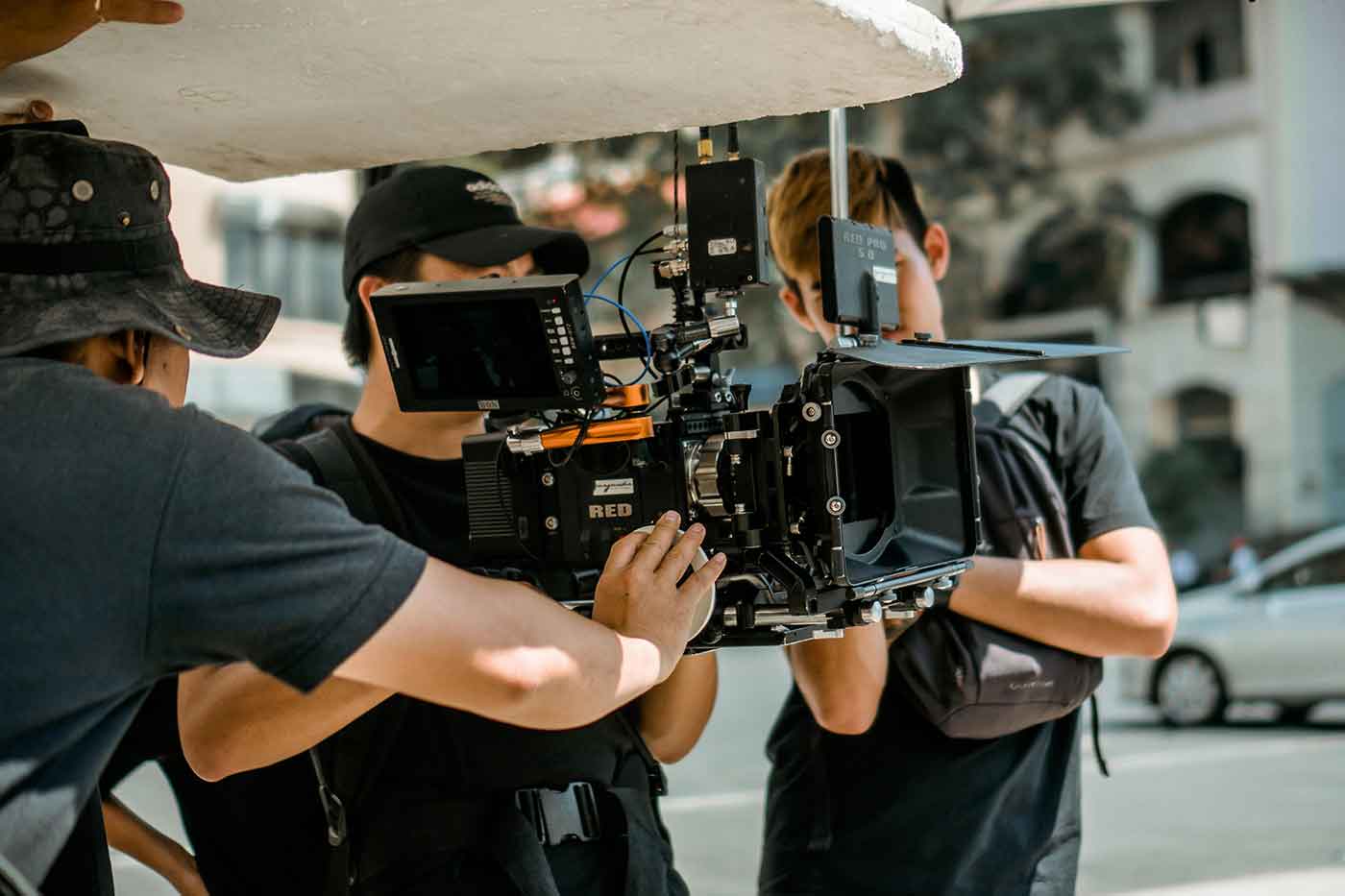

In the audiovisual industry, every frame counts… including from a legal standpoint. A film or television production may include elements that, if not properly managed, could lead to claims, distribution delays, or even legal action. That is why legal clearance is an essential step in any production.
What is "clearance" in the film industry?
Clearance is the process of legally reviewing an audiovisual work to identify elements protected by third-party rights (such as musical works, trademarks, artistic works, or personal data), verify whether those rights are still in effect, and, if necessary, obtain the necessary authorizations for their legal use.
This work includes:
- Identify protected content in the work.
- Check whether the rights are still in effect or have entered the public domain.
- Negotiate licenses with rights holders when necessary (for example, synchronization licenses or licenses to include pre-existing works).
If you're interested in learning more about what clearance is and how it's applied in practice, you can watch this explanatory video: What Is Clearance in Fccine? – Video by Elzaburu
What third-party rights might be involved?
Various types of rights may come into play during the development of an audiovisual project. The most common are:
-
Copyright
They apply to any preexisting work of art:
- Films, literary works, paintings, photographs, sculptures
- Photographic works and mere photographs
- Music
- Fonts: Many fonts are protected by copyright
-
Industrial Property Rights
- Trademarks: Their use may require authorization if it involves unfair exploitation or could cause confusion regarding the product's origin
- Industrial design
- Personal Information
License plate numbers, phone numbers, or real documents may be considered personal data. At Elzaburu, we always recommend avoiding the use of real personal data because, even if we obtain the owner’s consent during recording, ownership may change later.
-
Right to Reputation, Privacy, and One's Own Image
This is particularly relevant in productions based on real events, true crime, or docu-reality shows, where people may be directly or indirectly identifiable.
When should I hire a clearance coordinator for my audiovisual production?
Clearance must be part of the project from the very beginning:
- Development: Reviewing the script to identify potential conflicts
- Pre-production: collaboration with the art department to review sets, signage, props, and typography
- Production: Analysis of Issues That May Arise During Filming
- Post-production: review of the edit and issuance of legal reports prior to final delivery
This monitoring helps minimize legal risks, optimize resources, and avoid costly last-minute changes.
Frequently Asked Questions About Clearance in Audiovisual Productions
What exactly is checked during the clearance process?
Elements that may be protected by third-party rights (music, trademarks, artistic works, identifying information, etc.) to determine whether they require the necessary authorization or license.
When is the best time to go through customs?
Starting with the script. The sooner risks are identified, the easier it will be to avoid them and adapt the production without incurring additional costs.
Can a trademark be displayed without permission?
It depends. If the brand is not used in a prominent or promotional manner, it may not be necessary to obtain authorization. However, each case must be analyzed on a case-by-case basis.
What if a song is only used for a few seconds?
Even short excerpts require a license if they are not in the public domain. Synchronizing music requires authorization from the copyright holder, unless the work is in the public domain or covered by an applicable free license.
What about license plates or phone numbers that appear on screen?
Although they may seem random, they can be considered personal data. As a precaution, it is best not to use real data.
What happens if clearance isn't granted?
This can lead to legal claims, distribution disruptions, problems with insurers, and lost business opportunities.
Is clearance required?
It is not a formal legal requirement, but it is an essential legal practice. In fact, many platforms, distributors, and insurers require it as part of the delivery process.
Are you working on an audiovisual project?
At Elzaburu’s Media & Entertainment Department, we assist producers, platforms, and studios in identifying and managing all third-party rights involved in their projects, minimizing risks from the script stage through to the premiere. Our expertise combines technical knowledge of intellectual property, industrial property, and image rights with a practical understanding of how audiovisual productions work.
Claudia Fernández, Junior Associate in the Media & Entertainment at Elzaburu