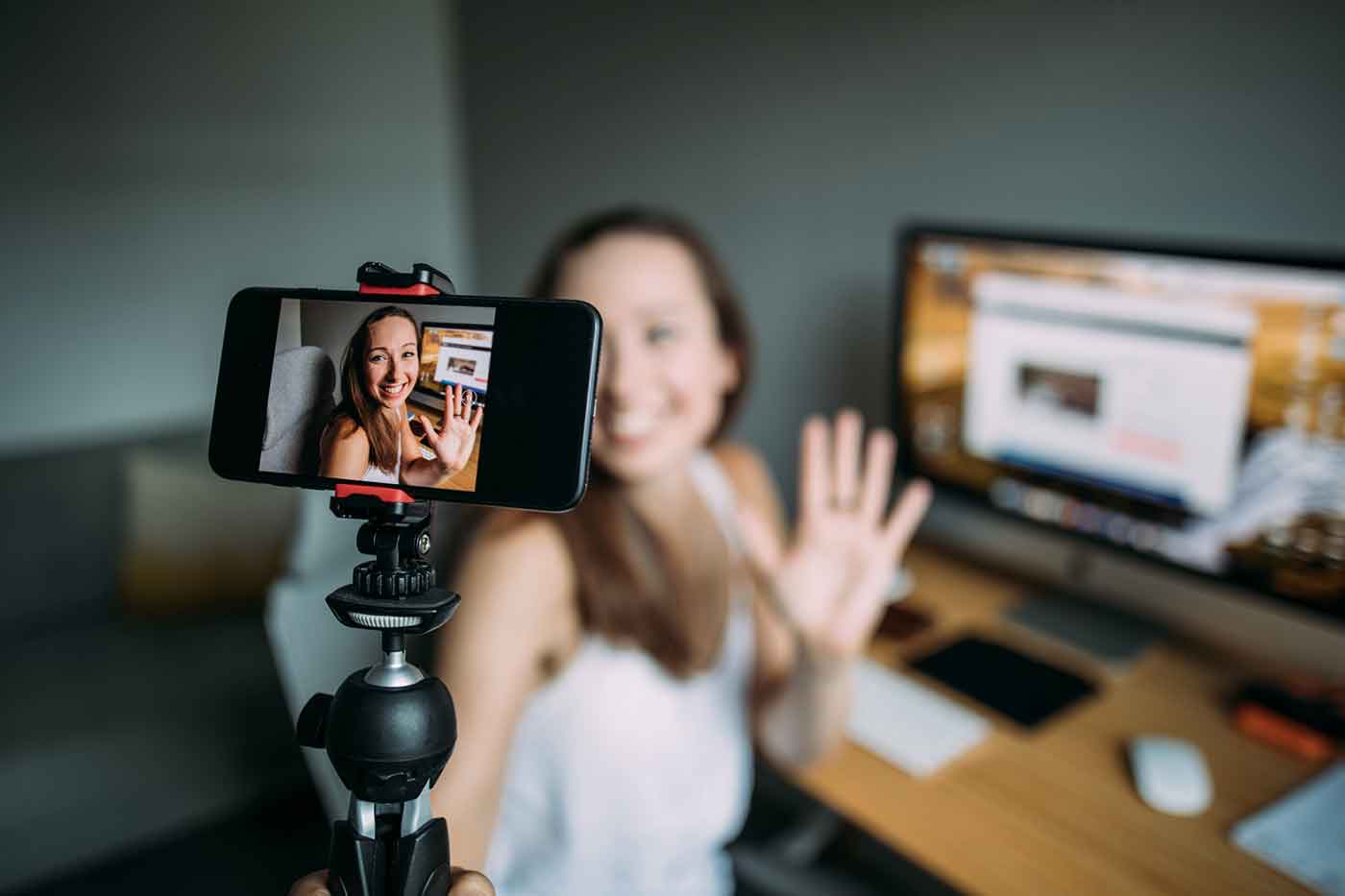

Influencer marketing has evolved from a trend into a well-established tool within brands’ digital strategies. In 2023, online investment in this area grew by 23.9%, prompting a thorough review of the applicable regulatory framework. In this context, the new Code of Conduct for Advertising Through Influencers represents a significant update from previous versions, incorporating both obligations and recommendations for companies, agencies, and influencers.
A Renewed Framework for a Changing Environment
The new Code expands its scope to include new stakeholders, such as “users of particular significance” as defined in the General Law on Audiovisual Communication, and incorporates requirements stemming from the Digital Services Regulation. In addition, it incorporates the interpretive doctrine established by the Advertising Board over the past five years, which provides greater clarity and legal certainty to the sector.
Its main objective is to ensure that advertising by influencers is identifiable, transparent, and responsible, thereby preventing disguised advertising. Unlike the previous version, it eliminates the requirement for editorial control as a condition for classifying content as advertising. Now, only two elements need to be present: the content must have a clear advertising purpose, and it must be disseminated as part of a collaboration involving some form of compensation.
What should companies keep an eye on?
Companies that partner with influencers should pay special attention to two key aspects:
- Clear Identification of Advertising Content: It is essential that influencers comply with the requirement that commercial content be clearly identifiable. This involves the use of visible and unambiguous mentions or tags.
- Effective Oversight: Companies must establish control mechanisms both before and after publication. Communications must not include misleading messages or lack objective support.
Differences Between Platforms
Although the legal framework is uniform, its practical application varies by social media platform. The Code recommends using the specific features offered by platforms to indicate that content is advertising. For example:
- Instagram: “paid collaboration”
- TikTok: “promotional content”
- YouTube: “includes promotional content”
However, these functions are not uniform, which leads to differences in how the requirements are met. It is essential that the disclosure be clear, immediately apparent, and appear at the beginning of the message, ensuring that it is not hidden among hashtags or requires additional action on the user’s part to be seen.
Essential Contractual Provisions
Following the entry into force of the new Code, it is essential that agreements with influencers include clear provisions to ensure compliance with legal and self-regulatory obligations:
- The influencer's obligation to clearly, visibly, and immediately identify the promotional nature of the content must be expressly established.
- It is essential that the company maintain prior and effective control over content, including its approval prior to publication.
- It is recommended to include a system of contractual liabilities and penalties for cases of noncompliance, and to require that claims about products or services be truthful, objective, and verifiable.
- The contract must provide for compliance with all applicable regulations, including laws governing advertising, consumer protection, unfair competition, and intellectual property.
These clauses not only reduce legal risks, but also protect the brand's reputation and enhance transparency for consumers.
Shared Responsibility and Legal Certainty
The Code clearly and fairly defines the division of liability between the company and the influencer. All parties may be held liable in the event of a breach, although the company may be exempt from liability if it demonstrates that the violation was a one-time, clear-cut action by the influencer that contravened specific instructions.
When advertising content is disseminated solely at the influencer’s initiative, without any involvement or intervention by the company, responsibility lies solely with the influencer or their agents.
This new framework provides greater legal certainty for companies by precisely defining the circumstances under which they may be held liable. However, it requires rigorous oversight of partnerships to mitigate risks.
Cristina Espín, Senior Associate in the Legal Department (Business and Contracts) at Elzaburu.