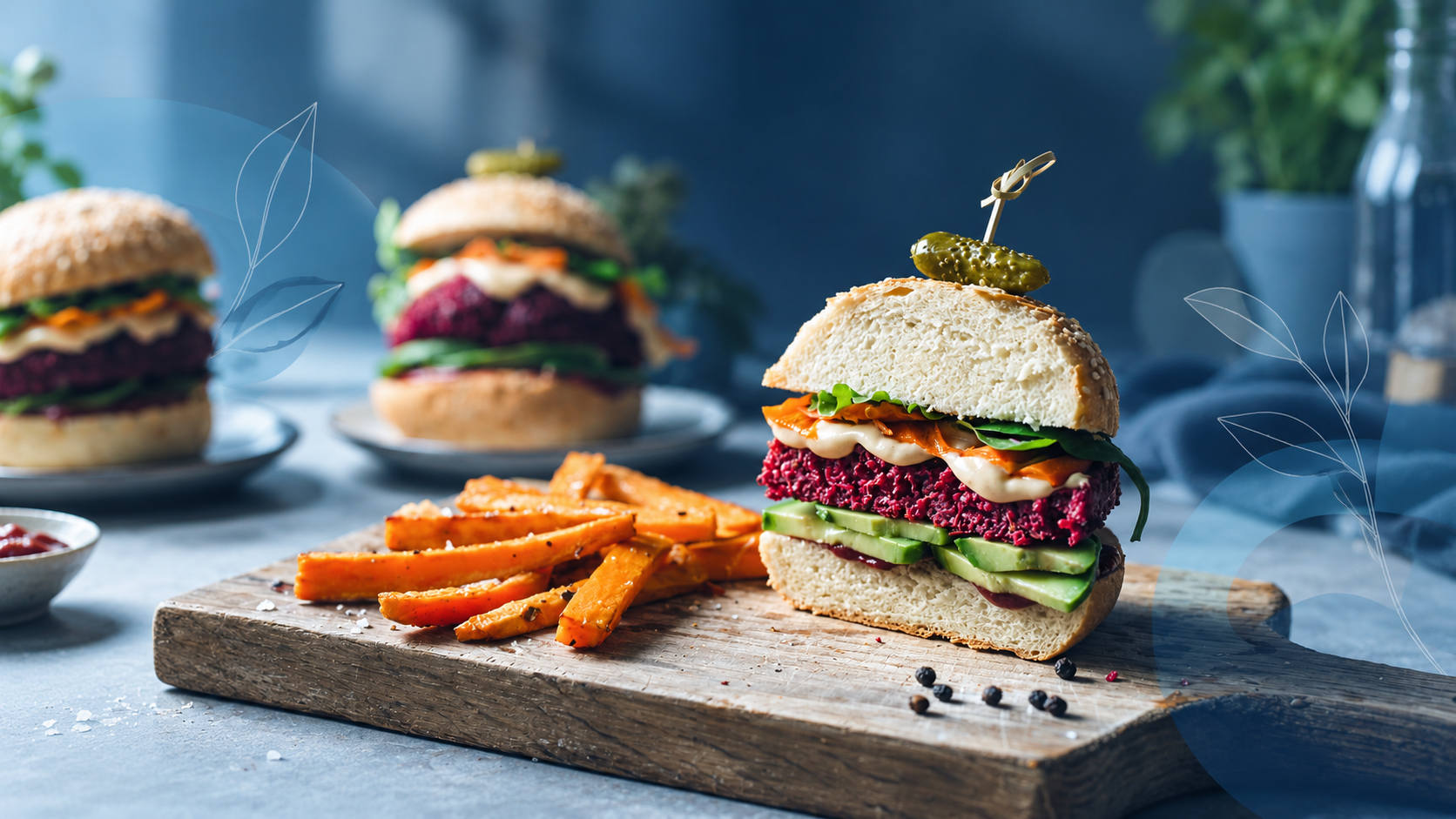


Plant-based alternatives to products traditionally associated with animal-based foods are becoming increasingly common in supermarkets, restaurants, and advertising campaigns.
But their growth has also sparked a debate that is less visible to consumers: To what extent can these products use the same names as the foods they are intended to replace or imitate?
The issue is not merely linguistic. The chosen name is part of the product’s marketing presentation and may conflict with specific regulations in the food industry, consumer protection laws, or rules against unfair competition.
In Spain, this debate has taken on particular significance in the wake of various legal disputes. One such case involved Heura, which was sued in 2022 by six interprofessional organizations in the meat industry for marketing and advertising plant-based products using terms such as “burgers” or “nuggets.” The Provincial Court of Barcelona recently ruled in favor of the company regarding the use of these terms.
Other plant-based products, however, have been treated differently in court. This is the case with Mommus Foods, which used phrases such as “this is not Camembert cheese” or “this is not smoked semi-aged cheese.” Even though the company also indicated that the product was made from cashews and vegan cultures, the use of those references was still deemed unlawful.
Two plant-based foods may, therefore, face very different legal situations even though both use the name of their animal-based counterpart to explain to consumers what product they are looking at.
But why can a hamburger be marketed as vegan, while calling another food “vegan cheese” causes more problems? Carlos Morán and Enrique Armijo, partners at Elzaburu who specialize in industrial and intellectual property litigation and unfair competition, clarify the main legal questions raised by this scenario.
Can terms such as “cheese” or “steak” be reserved exclusively for products of animal origin?
The authority to reserve the use of specific terms or expressions, such as “cheese” or “steak,” for a particular source (animal) lies with the legislature, which has the power to enact laws governing the activities of market participants.
How is it determined whether a name could cause confusion among consumers?
In intellectual property law, the likelihood of confusion is a factual and legal concept, and its existence in a specific case must ultimately be determined by the courts through the application of the legal and case-law criteria established for that purpose.
Can a reserved designation be used if “vegan” or “plant-based” is added?
The addition of specifications or clarifications regarding the plant origin of a particular product shall be irrelevant when they are added to a designation for which there is an absolute reservation of use for products of animal origin established by a statutory provision.
What are the limits of advertising for vegan products in relation to freedom of expression?
European case law has recognized that the principle of freedom of expression constitutes an essential value of our democratic societies. However, the CJEU and the ECHR have held that this freedom may be subject to certain limitations justified by objectives of general interest (e.g., advertising and unfair competition). In this regard, when the exercise of freedom of expression does not contribute to a debate of general interest and, furthermore, the context is one in which Member States have a certain margin of discretion (e.g., the message contains objective statements about the characteristics or properties of a product), the lawfulness of the message is subject to the rules on misleading advertising, consumer protection, and unfair competition set forth in the applicable European directives and regulations.
Why do dairy and meat products have different rules regarding their names?
Legal certainty does not require that all food designations be regulated uniformly. The legislature acts in response to the needs and controversies that arise in social, economic, and political discourse; therefore, it is normal for some sectors to have more developed regulations than others. Consequently, the existence of well-established protection for certain dairy product names and a more open regulatory framework for meat product names can be understood as the result of different regulatory phases and priorities. Consumers and economic operators must accept that these legislative asymmetries may persist until the European legislature decides to fully harmonize both areas.
Can a regulation that reserves certain food names while allowing similar ones (from the same semantic family) be challenged?
There is no one-size-fits-all answer. Whether a difference in treatment is consistent or potentially arbitrary must be analyzed on a case-by-case basis, taking into account the purpose of the rule and the objective justification for the distinction. Like any legislative choice, the regulation may be challenged by the affected operators, but it will ultimately be up to the courts—and in particular the CJEU when interpreting EU law—to determine whether the difference in treatment is sufficiently justified or is incompatible with the principles of the European legal order.
The naming of a plant-based food is also a legal decision
The evolution of the plant-based market is forcing manufacturers and brands to pay closer attention to something as mundane as the name that appears on a package. There is no single rule that allows one to conclude that any reference to a food of animal origin is valid or, conversely, prohibited.
The first step should be to determine the specific legal treatment given to the name you wish to use. The Heura case shows that certain terms such as “burger,” “chorizo,” or “sausage” have been used for plant-based products, while disputes involving dairy product names have taken a different course. Clear labeling may be important in certain cases, but it does not automatically make any name lawful.
Added to this is the evolution of regulations themselves. The debate over how plant-based alternatives should be presented remains ongoing and affects not only the names of the products but also their labeling, advertising, and marketing communications.
For companies in the food industry, analyzing a product name before launching it can prevent a marketing decision from turning into a legal dispute. The name helps consumers quickly understand what they are looking at, but this commercial function must coexist with reserved names, advertising regulations, and competition rules in each case.