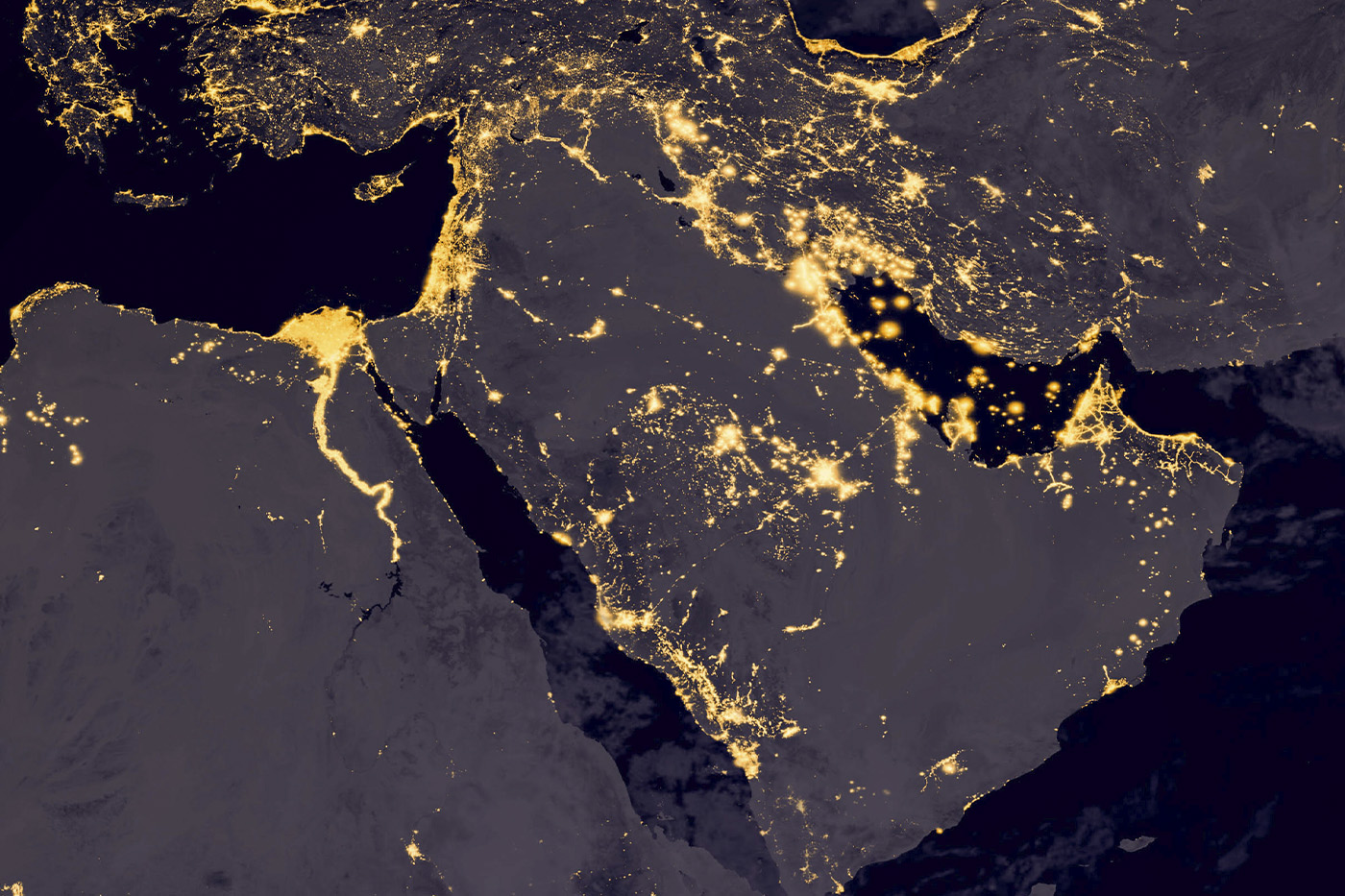
Arabic is the fifth most widely spoken language in the world, with approximately 274 million speakers, behind English, Mandarin Chinese, Hindi, and Spanish. It is currently the official language of at least 22 countries and is used as a business language in key nations such as Saudi Arabia, the United Arab Emirates, and Kuwait.
In which countries and regions is Arabic the language of business?
Arabic is the official language in many countries in the Middle East, West Asia, and North Africa. It is spoken in Saudi Arabia, Bahrain, the United Arab Emirates, Iraq, Jordan, Kuwait, Lebanon, Oman, Qatar, Syria, Yemen, Lebanon, Israel (although Hebrew is the official language, Arabic is also widely spoken), Egypt, Algeria, Gaza and the West Bank, Western Sahara, Morocco, Mauritania, Libya, and Tunisia.
In sub-Saharan Africa, countries such as Chad, Djibouti, Sudan, and South Sudan have Arabic as their primary language. It is also the official language of the African Union, the Cooperation Council for the Arab States of the Gulf, and the Arab League.
Although it is not the primary language, Arabic also coexists with other official languages in countries such as Malta, Afghanistan, Eritrea, Niger, Senegal, and Turkey. Furthermore, as the language of Islamic worship, Arabic is spoken in all regions where Islam is the majority religion.
As a result, Arabic serves as a key link for economic, cultural, and academic activities across various regions, and proficiency in the language is essential for navigating the global economy, geopolitics, and cultural exchange to ensure proper brand protection.
Why adapt trademark protection to the Arabic language and culture?
When designing a trademark protection strategy, language plays a crucial role, and factors such as the following come into play: the chosen country, local trademark laws, cultural and idiosyncratic nuances, rules and regulations governing the marketing of certain products or the provision of services, the characteristics of the product or service itself and its target audience, the degree of cosmopolitanism in the region, etc.
Given this complex landscape, decisions regarding trademark protection must be aligned with these factors and with an appropriate marketing strategy. The trademark must be adapted to both the local language and culture to achieve effective protection and ensure its success in Arab markets.
How do you choose where to protect your brand in the Arab world?
In general, it is important to ensure that the chosen brand protection—especially in the Persian Gulf countries, Western Asia, and North Africa— meets minimum requirements and that the brand’s market presence (as reflected in products and services, advertising, signage, and business identifiers, etc.) is perceived by the local public in the desired manner.
Some of the characteristics specific to this language that must be taken into account when registering trademarks are:
- The writing goes from right to left.
- Italics are used frequently.
- There are no capital letters.
- Each letter can have several forms, depending on its position in the word.
- The meaning of a word can vary depending on its context.
Iraq and the Persian Gulf: Examples of Trademark Registration in Arabic Required by Law
In Iraq, for example, registration in Arabic is required by law. If a trademark is filed in non-Arabic characters, an additional registration in Arabic will be required.
In Persian Gulf countries, such as the United Arab Emirates, it is common for trademarks to be registered in two versions: one in Latin characters and the other in Arabic. This is because commercial laws require that the transliterated version be used in commercial establishments, and from a business perspective, displaying both can be advantageous for reaching a wider audience.
How should the trademark be registered: in Latin characters, Arabic characters, or both?
It is important to decide whether it is sufficient to register the trademark in Latin characters or whether it is also necessary to register the Arabic version. In some cases, especially for trademarks of products vulnerable to counterfeiting, registering the trademark in both versions (Latin and Arabic) can provide stronger protection against infringers or legal disputes. While it is not a common practice, in certain regions it might also be useful to extend protection to the different Arabic dialects prevalent in each country.
There is no one-size-fits-all solution . In addition to legal considerations, it makes sense for a brand to seek to connect effectively with its target audience. Therefore, adapting to the local language and culture is key to attracting consumers.
Ultimately, the decision regarding the type of registration and trademark protection strategy will depend on local laws, market conditions, and the specific interests of each company in the various Arab countries.
Cristina Arroyo, Director of the International Brands Division at ELZABURU