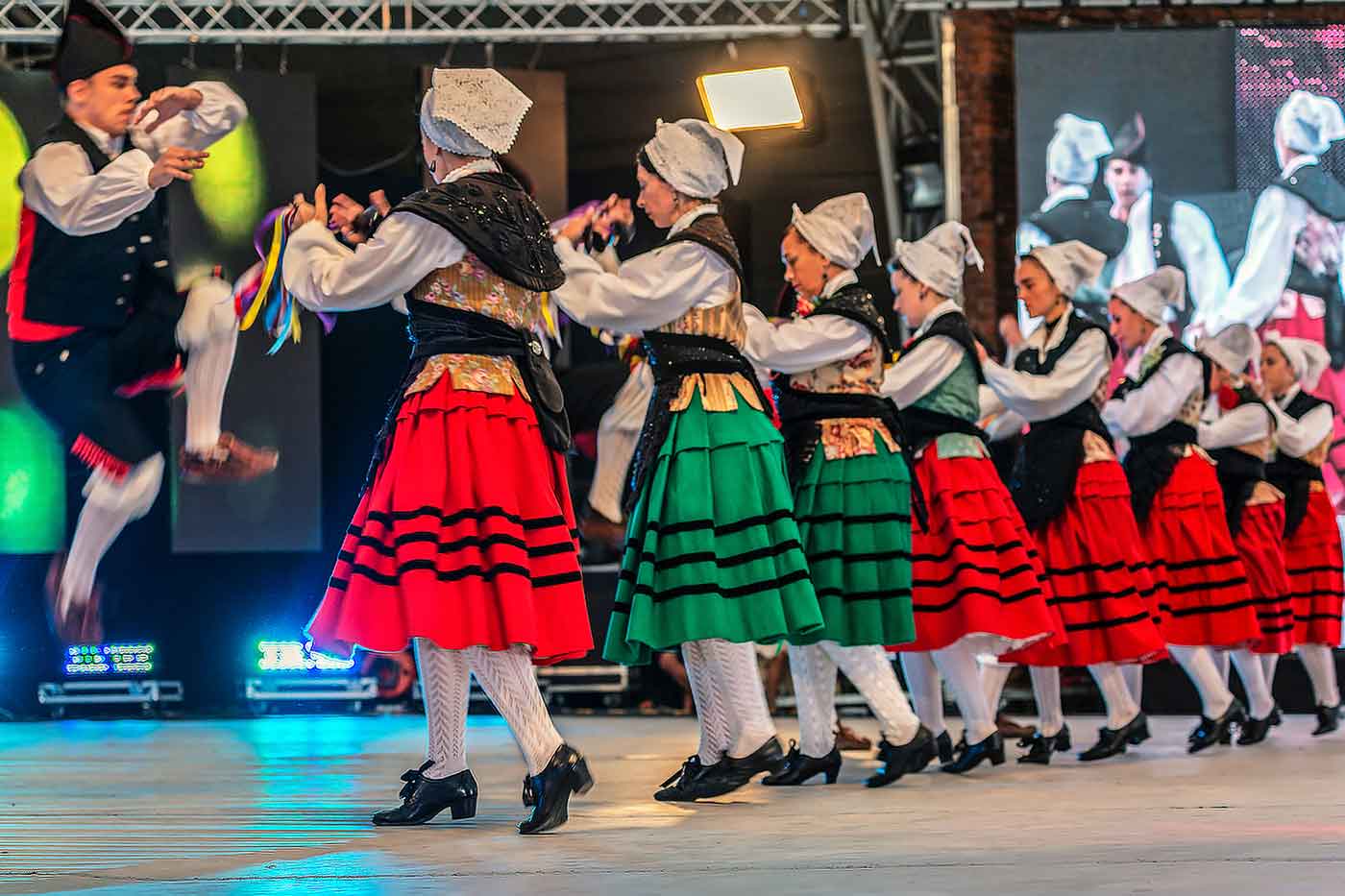

Traditional cultural expressions (TCEs) and traditional knowledge (TK) are fundamental pillars of the identity and heritage of indigenous peoples and local communities. In a globalized world, where traditions are increasingly showcased at festivals, in international media, and on social media, ensuring their protection against misappropriation is a crucial task.
What are traditional cultural expressions and traditional knowledge?
Traditional Cultural Expressions (TCE) include forms of expression such as dances, songs, crafts, ceremonies, stories, and rituals passed down from generation to generation. These are part of a community’s cultural heritage and are considered expressions of folklore.
Traditional Knowledge (TK), on the other hand, encompasses traditional practices, skills, and innovations, such as agricultural techniques, knowledge of medicinal plants, and methods of hunting, fishing, or food preparation.
Both concepts constitute what UNESCO defines as“intangible cultural heritage”: the practices, representations, expressions, knowledge, and techniques—along with the instruments, objects, artifacts, and cultural spaces inherent to them—that communities, groups, and, in some cases, individuals recognize as an integral part of their cultural heritage.
Are traditional cultural expressions and traditional knowledge protected?
Conventional intellectual property systems consider traditional cultural expressions and traditional knowledge to be in the public domain, unless they are secrets or protected by special legislation.
At the international level, traditional knowledge and traditional cultural expressions are not directly protected by intellectual property law, although there are some legal instruments that provide partial protection:
- WIPO Treaty on Performances and Phonograms (1996)
- Beijing Treaty on Audiovisual Performances and Recordings (2012)
- The 2007 United Nations Declaration on the Rights of Indigenous Peoples (as well as certain national laws), which grants them the right to maintain, control, protect, and develop intellectual property rights over their cultural heritage, traditional knowledge, and traditional practices.
At the national and regional levels, it is worth noting that some countries have adopted specific legislation requiring authorization from the rights-holding communities before their traditional cultural expressions and traditional knowledge may be used.
Challenges Faced by ECTs and CC.TT. at Cultural Festivals
Folkloric, artistic, and cultural festivals are venues where traditional cultural expressions and traditional knowledge are showcased and shared. These events present economic and cultural opportunities, but they also carry risks such as:
- Misappropriation: unauthorized use of crafts, dances, sacred symbols, or recordings.
- Counterfeiting: the production and sale of imitations of traditional items.
- Commercial exploitation without consent: distribution of images or videos of traditional ceremonies for profit.
How can we protect traditional cultural expressions and traditional knowledge?
Although there is no uniform international legal framework, festival organizers and creators can implement best practices to safeguard these rights:
- Prior consent: establishing conditions regarding the use of the material in accordance with the values and needs of its owners (recognition, acceptance, and respect for cultural values and interests)
- Recognition and Attribution: Ensuring Proper Credit Is Given to the Curators of the ECT and CC.TT.
- Respect what is sacred: Refrain from recording, reproducing, or commercializing rituals or symbols of special cultural significance without permission.
- Informational Notices: Include visible signs explaining the restrictions on taking photos or videos.
The traditional cultural expressions and traditional knowledge are more than just artistic expressions; they are the very essence of the identity of peoples and communities. Protecting them means ensuring that their voices, stories, and knowledge remain alive for future generations.
At Elzaburu, we understand the importance of intellectual property as a key tool for balancing cultural respect and economic development. Proper management of these rights is essential to building a future where cultural diversity is valued and protected.
Agustín Alguacil, Associate in the Legal Department at Elzaburu.