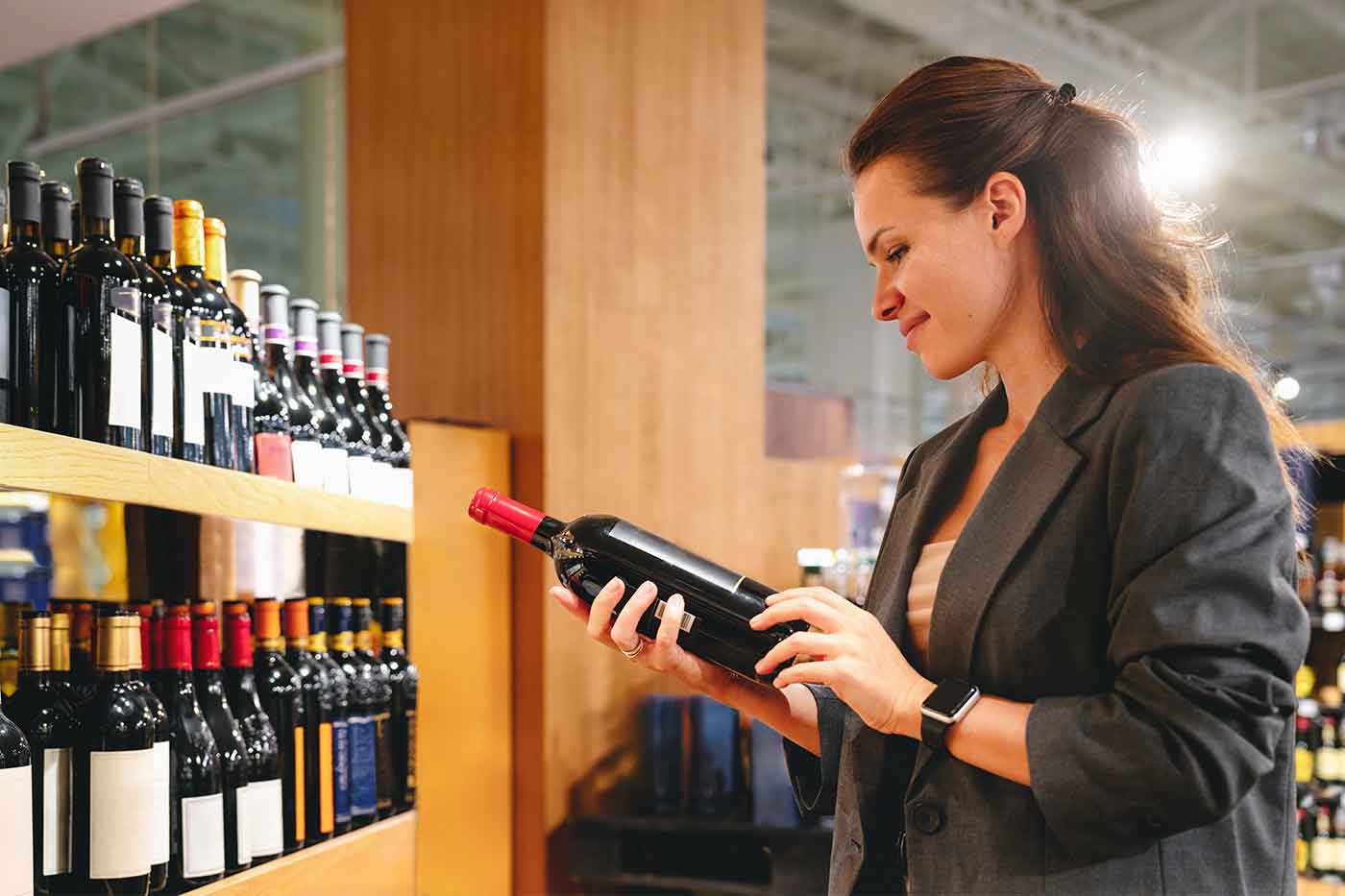

The wine market, like other products with a protected designation of origin or protected geographical indication, faces a growing threat: counterfeiting. This problem is becoming increasingly common in the wine industry given the high demand and the considerable prices that some wines can command. Furthermore, the relative ease with which wine can be replicated and counterfeited makes it an attractive target for criminals.
Such is the scale of this phenomenon that a recent operation in France, Italy, and Switzerland dismantled a network counterfeiting renowned French wines, which were sold for up to 16,000 euros through legitimate retailers who, in many cases, were unaware of the bottles’ fraudulent origin. This case illustrates the sophistication and scope that counterfeiting in the wine industry can reach, impacting not only the economy but also consumer confidence.
What is the economic impact of counterfeits on the wine industry?
One of the main threats to the wine industry's economy is counterfeiting. According to a study by the EUIPO, losses associated with counterfeit wine amount to 1.3 billion euros, affecting both large wineries and small producers.
This illegal activity not only reduces revenue but also leads to the loss of 4,800 jobs in the industry and undermines the efforts of legitimate producers, who work to offer high-quality wines in an increasingly saturated market.
What health risks do counterfeit wines pose to consumers?
Counterfeit wine not only affects the wine industry’s economy but also posesa serious health risk to consumers. Due to a lack of quality and health controls, many of these bottles contain additives, colorants, and, in some cases, even highly dangerous substances such as methanol, toxic dyes, and other unregulated additives, which can cause poisoning, irreparable damage to the nervous system, and even death.
Furthermore, counterfeit factories are often located in unsanitary conditions, which puts consumers’ health at risk and causes other serious harm, such as environmental damage, job losses, and tax evasion.
Strategies to Combat Counterfeiting and Protect the Wine Industry
This problem must be addressed through collaboration among various stakeholders: wineries, law enforcement agencies, and regulatory bodies. Wineries, for example, can provide valuable information to authorities regarding illegal distribution routes, illicit trade channels, and detection methods. It is also crucial to strengthen border controls, particularly with regard to imports from outside the European Union.
Prevention is a cornerstone in the fight against counterfeits. Consumers must be aware of the risks and have the information they need to make informed decisions when purchasing wine. Here are some useful recommendations for choosing authentic products:
- Verify the product's source: Research the seller's information, including their address and contact details. Legitimate retailers' websites usually have clear return and refund policies.
- Check labels and packaging: Look for possible errors or slight variations in logos, seals, or packaging. These details may indicate counterfeit products.
- Evaluate prices: Be wary of prices that are excessively low and do not align with market prices.
Wineries and producers can also take preventive measures, such as implementing traceability technologies, QR codes, and security labels that allow consumers to verify the authenticity of their products.
In short, counterfeiting in the wine industry is a problem that requires a coordinated response. Consumers should exercise caution, while wineries and authorities have a responsibility to strengthen control mechanisms and security measures to prevent counterfeit products from entering the market.
Tránsito Ruiz, Associate in the Anti-Piracy Practice Group at Elzaburu