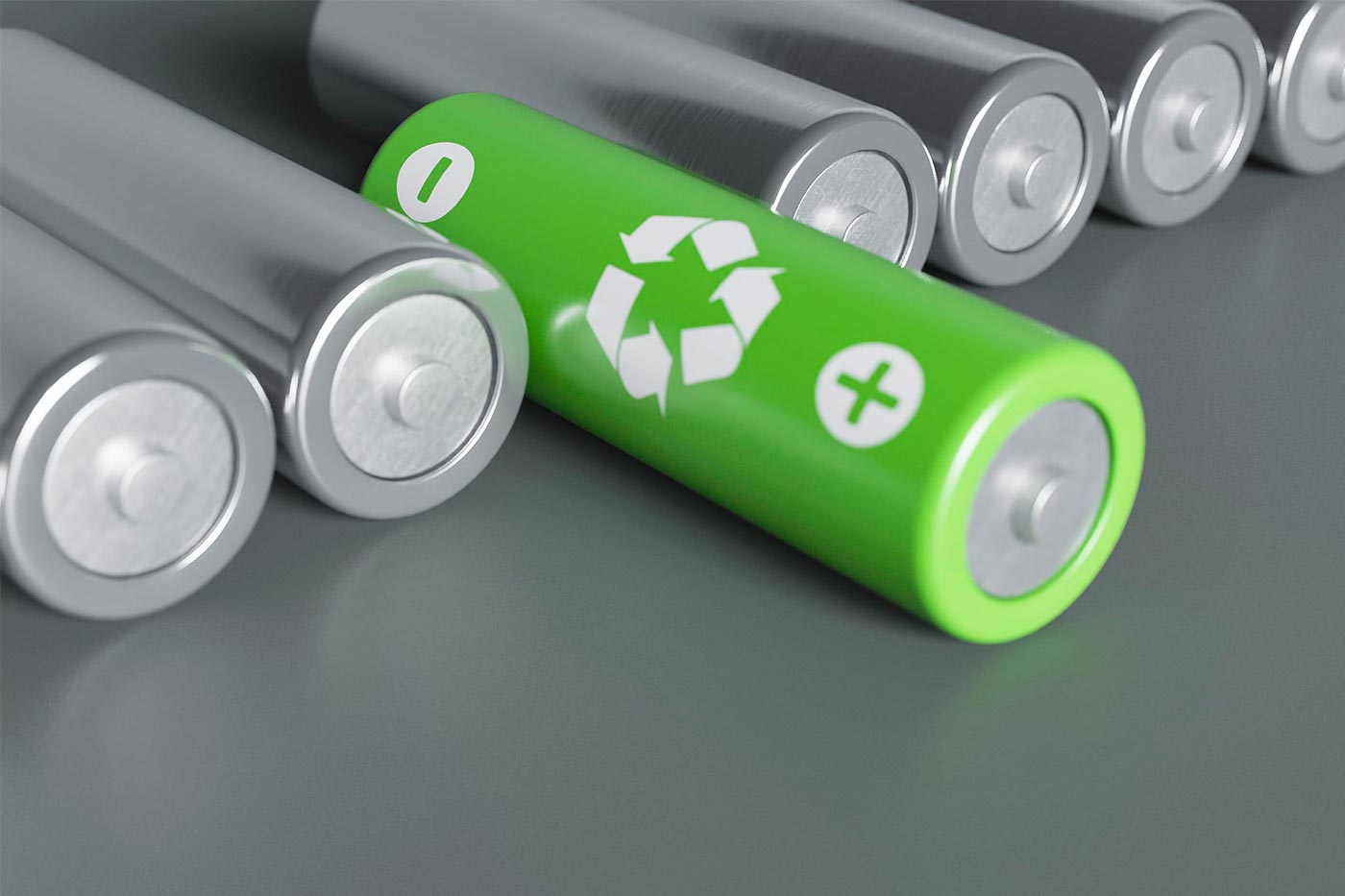

Technological innovation progresses at different rates depending on the sector. While some sectors, such as the automotive and aerospace industries, maintain a steady pace of evolution, others are undergoing rapid transformation. One of the most dynamic fields today is that of electric power generation and storage, where the number of patent applications has skyrocketed in recent years.
This boom is no coincidence. It responds to an urgent need for energy efficiency and sustainability in a landscape shaped by the green transition and growing geopolitical pressure on strategic resources. Rare earth elements—materials essential to many of these innovations—are at the heart of this new technological revolution.
Rise in Energy-Related Patent Applications: A Barometer of Innovation
According to data from the European Patent Office (EPO) Patent Index for 2024, inventions related to electric batteries increased by 24 % compared to the previous year. In the case of electrical machinery, appliances, and energy, the cumulative increase over the past decade has reached 64.8 %.
This increase highlights the role of patents not only as a means of protection but also as an indicator of industrial and technological dynamism. Registering a patent in Spain or Europe allows companies to safeguard their R&D investments, access financing, and strategically position themselves in key markets.
Rare Earth Elements: Powerful Magnets and Next-Generation Batteries
Rare earth elements such as neodymium, dysprosium, and lanthanum are at the heart of many strategic inventions. In the field of electric generators, one of the most promising areas of development is the creation of more powerful permanent magnets, which require less space and energy to operate. These advances have a direct impact on the efficiency of rotating electrical machines, as well as on state-of-the-art electric motors—particularly when it comes to neodymium, for example.
At the same time, batteries are another major area of innovation. The challenge: increasing energy density, shortening charging times, and extending battery life. The automotive industry is driving much of this progress and is seeking new formulations for cathodes and electrolytes that incorporate rare earth elements or advanced alternative materials, with the goal of achieving the highest storage capacity while ensuring safety and sustainability throughout the entire process.
Electric Power Grids and Conductive Materials: Minimizing Losses
Another key area of technological advancement is electrical infrastructure, particularly the power transmission grid. Innovation in conductive materials with lower electrical resistance helps minimize economic losses and the environmental impact caused during transmission—a key consideration for both large-scale power lines and electronic microcomponents.
Geostrategy, Industrial Autonomy, and Intellectual Property
Beyond the technical aspects, the rise of these technologies has geopolitical implications. Europe relies heavily on third countries for the supply of rare earths and other critical materials. For this reason, fostering local innovation and protecting developments through the patent system has become a strategic priority.
Furthermore, this increase in the number of patent applications is not limited to the private sector. Public institutions and research centers are supporting this trend, and an increasing number of universities, scientific organizations, and public-private partnerships are working together to develop patentable solutions aimed not only at innovation but also at large-scale applicability and commercial viability.
Protecting Innovation as a Driver of Competitiveness
The current landscape of patent applications reveals a clear trend: the race for sustainable energy efficiency is being waged not only in laboratories but also in intellectual property offices. Ensuring the protection of these advances is no longer merely a strategic option; it has become a matter of urgency for maintaining autonomy, sustainability, and, above all, a leading position in technological innovation.
At Elzaburu, we support our clients through this transformation by providing specialized legal advice on patent registration and validation. We understand that, now more than ever, innovation means anticipating the future, protecting our interests, and leading responsibly.
Bosco de la Vega, Associate in the Patent Practice Group