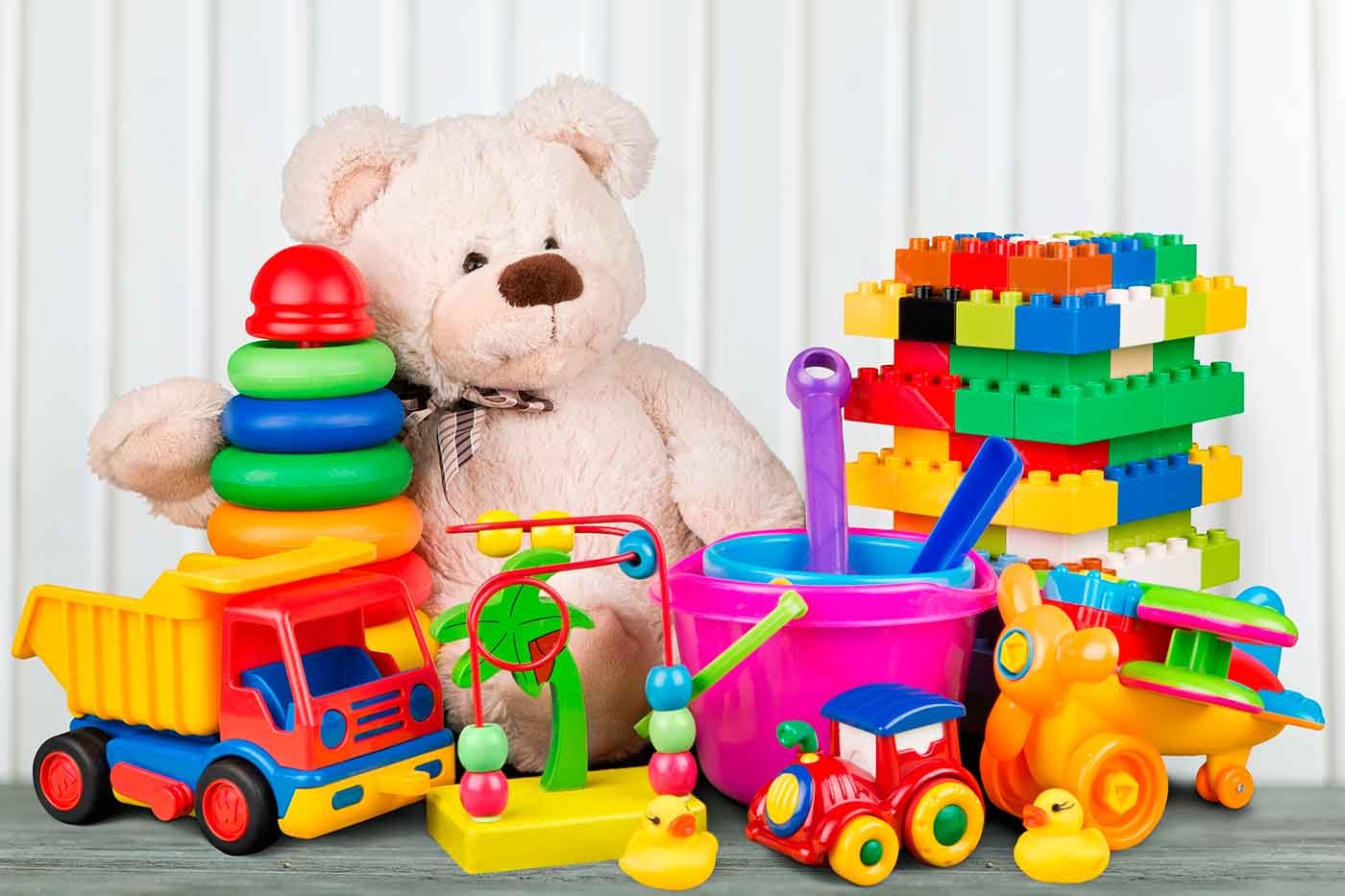

Product counterfeiting is a problem that affects various sectors, but when it comes to toys, the implications are even more serious. These items are intended for young children, and any defect or failure to meet quality standards can have devastating consequences.
Among the most commonly counterfeited toys are everything from dolls, surprise toys, and building blocks to characters from video games, animated TV series, and animated movies.
The Dangers of Piracy to Children's Health and Safety
Counterfeit toys often fail to comply with the safety standards established by the competent authorities. Article 116.1 of the Penal Code states that any person criminally liable for a crime is also civilly liable if the act results in damage or harm. In the case of counterfeit toys, the harm can be considerable. The materials used in these products may contain toxic substances, such as lead or phthalates, which are extremely harmful to children’s health. In addition, small parts can easily come loose, causing choking.
The Most Common Tricks Used by Counterfeiters
Among the most common techniques used by counterfeiters to smuggle goods into the country is the counterfeiting of labels. For nearly two decades, there has been a serious problem with products bearing the CHINA EXPORT mark, which is nearly identical to the CE (European Conformity) mark. Products with the China Export mark do not meet the quality standards required by the European Union, putting consumers’ health at risk.

CE Marking (European Conformity) vs. China Export Seal
Another tactic used by counterfeiters is to ship counterfeit products in small packages, which makes it virtually impossible for Spanish customs officials to stop each and every one of those packages for inspection.
How can manufacturers take action to combat piracy?
Toy manufacturers have several tools at their disposal to protect themselves against counterfeiting. Not only can they register the trademark for the toy in question, but they can also choose to register the toy as a three-dimensional trademark. To register a toy as a three-dimensional trademark, the toy’s shape must have at least one feature that is not inherent to the generic function dictated by the nature of the product.
On this matter, there are several court decisions, such as the Judgment of the Court of Justice of the European Union of September 18, 2014, HAUCK, C-205/13, and the Judgment of the General Court of the European Union of December 6, 2023, BB SERVICES GMBH, T-297/22. In addition, toys can be protected by copyright, industrial design rights, and even patents.
What about consumers?
A buyer could only take legal action if they purchased a counterfeit product believing it to be genuine, as they could be considered a victim of fraud. In such cases, the consumer could file a complaint against the seller for fraud under Article 248 of the Penal Code.
Ultimately, the fight against counterfeit toys is a battle in which all stakeholders—from manufacturers and authorities to consumers—must play a role. Raising awareness of the risks and taking preventive protective measures can help mitigate this threat.
Alberto Gallo, Associate, Legal Department, Anti-Piracy