
Despite the health crisis spreading throughout Europe (let’s hope not for much longer), the Court of Justice of the European Union has not suspended its work, and on March 26 it issued an interesting ruling (Case C-622/18) regarding a claim for damages arising from trademark infringement where the trademark had lapsed due to lack of use.
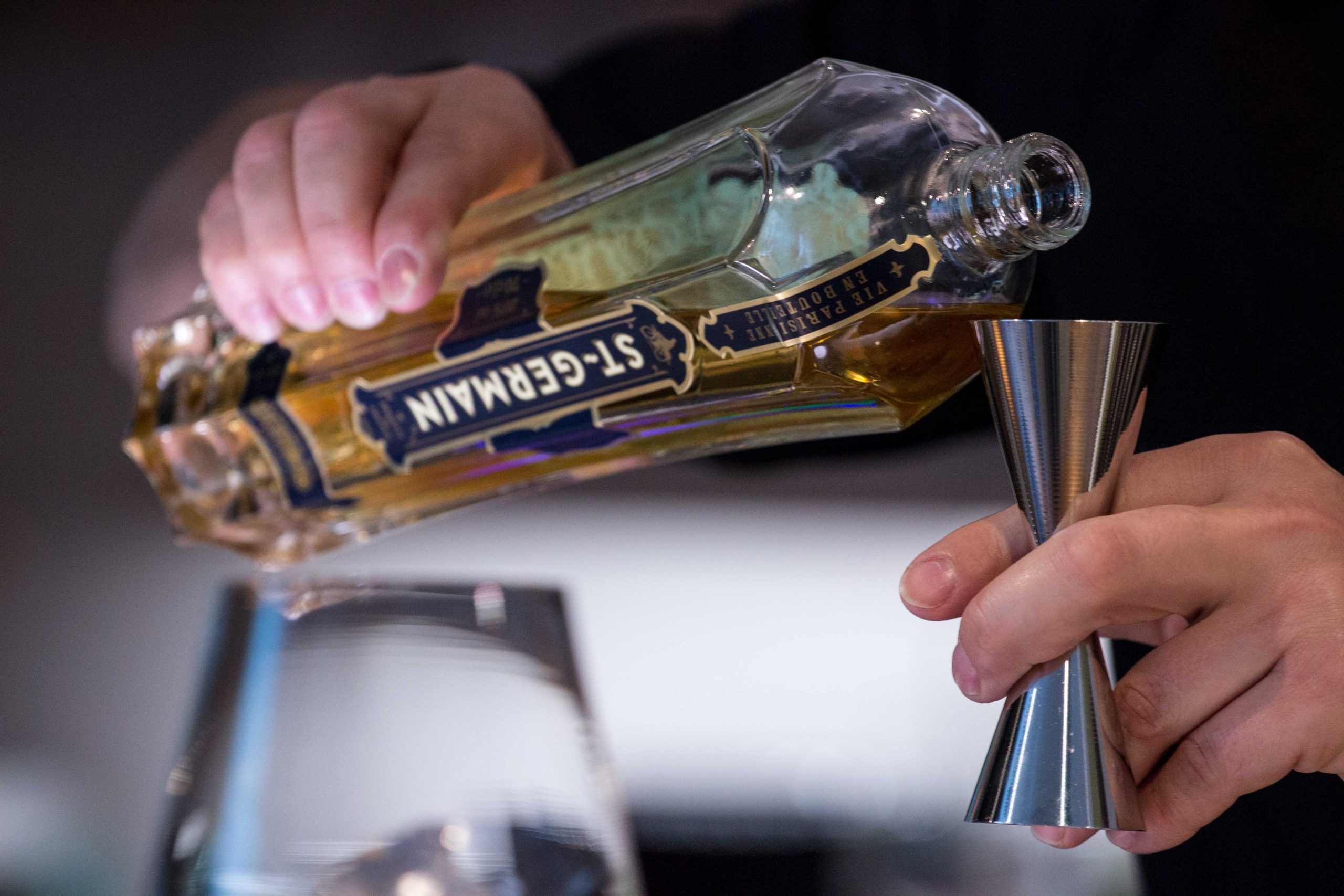
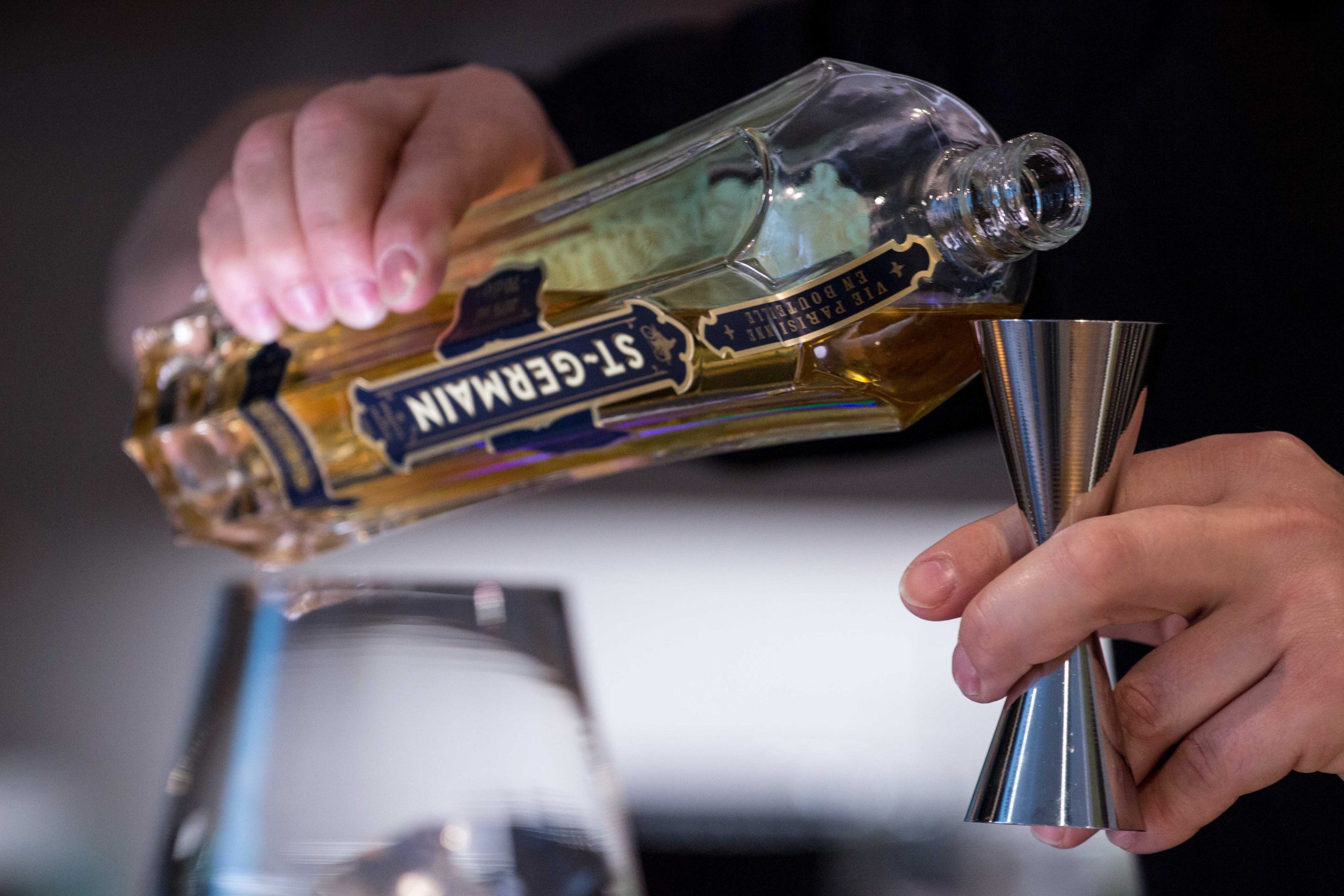
The ruling addresses a preliminary ruling requested by the French Cour de Cassation arising from a lawsuit alleging infringement of the French trademark SAINT GERMAIN for alcoholic beverages, filed by the trademark owner against companies that manufactured and distributed a liqueur called “St-Germain.” In parallel proceedings, the trademark had been revoked for lack of use, but the plaintiff maintained its claim for damages for the prior period not affected by the revocation.
Specifically, the trademark had been registered in May 2006, and its expiration was declared by a judgment dated February 28, 2013, which retroactively applied the effects of the declaration to May 13, 2011—that is, five years after the grant. Therefore, the trademark had never been used. Despite this, the plaintiff sought damages for the period prior to the expiration and not covered by the statute of limitations, between June 8, 2009, and May 13, 2011.
Under French law, the effects of a declaration of invalidity are governed by the following provisions:“The rights of the owner of a trademark who, without just cause, fails to make genuine use of the trademark for the goods and services covered by the registration for an uninterrupted period of five years. The invalidity shall take effect on the date of expiration of the five-year period provided for in the first paragraph of this article and shall have absolute effect.”
This raises the question of whether the owner of a trademark who has never used it and whose rights to the trademark have lapsed following the expiration of the legally established five-year period can claim that the essential function of the trademark has been impaired and, consequently, seek compensation for damages resulting from a third party’s use of an identical or similar sign during the five-year period following the trademark’s registration.
In its judgment, the CJEU notes that the harmonization directive leaves it to the discretion of each Member State to determine the effects of a declaration of lapse. Consequently, a national provision that sets the starting date as the date on which the five-year period of non-use expires does not contravene EU law. If this is the case, there is nothing to prevent a claim for infringement of trademark rights—with a corresponding claim for damages—from being brought if national law permits it. However, there is an important caveat.
With regard to the assessment of damages, the Court notes that Directive 2004/48 provides that compensation must be “commensurate with the actual damages suffered by [the trademark owner] as a result of the infringement.” Although the non-use of a trademark does not, in and of itself, preclude compensation in connection with acts constituting trademark infringement, it is nonetheless true that this circumstance is an important factor that must be taken into account in determining the existence and, where applicable, the extent of the harm suffered by the trademark owner and, therefore, the amount of damages that the owner may eventually claim.
As for the consequences of this ruling in our country, it should be noted that the effects of trademark revocation are governed by Article 60 of the Spanish Trademark Law as follows:“A registered trademark shall be deemed, as of the date of the application for revocation or the counterclaim, not to have had the effects set forth in this Act to the extent that the rights of the owner have been declared to have lapsed. At the request of a party , the decision on the application or counterclaim for revocation may specify an earlier date on which any of the grounds for revocation occurred.” Thisprovision essentially mirrors the provisions of Article 62 of Regulation (EU) 2017/1001, so the situation for European Union trademarks is the same.
Therefore, provided that the party seeking revocation requests it, in Spain it is also possible for the declaration of revocation to be retroactive to the moment when the five-year period of non-use of the trademark expired. Even so, the trademark owner could claim compensation for damages suffered if the infringement of their trademark occurred during a period not covered by the declaration of invalidity. It remains to be seen, however, how Spanish courts will assess such compensation.
Author: Carlos Morán