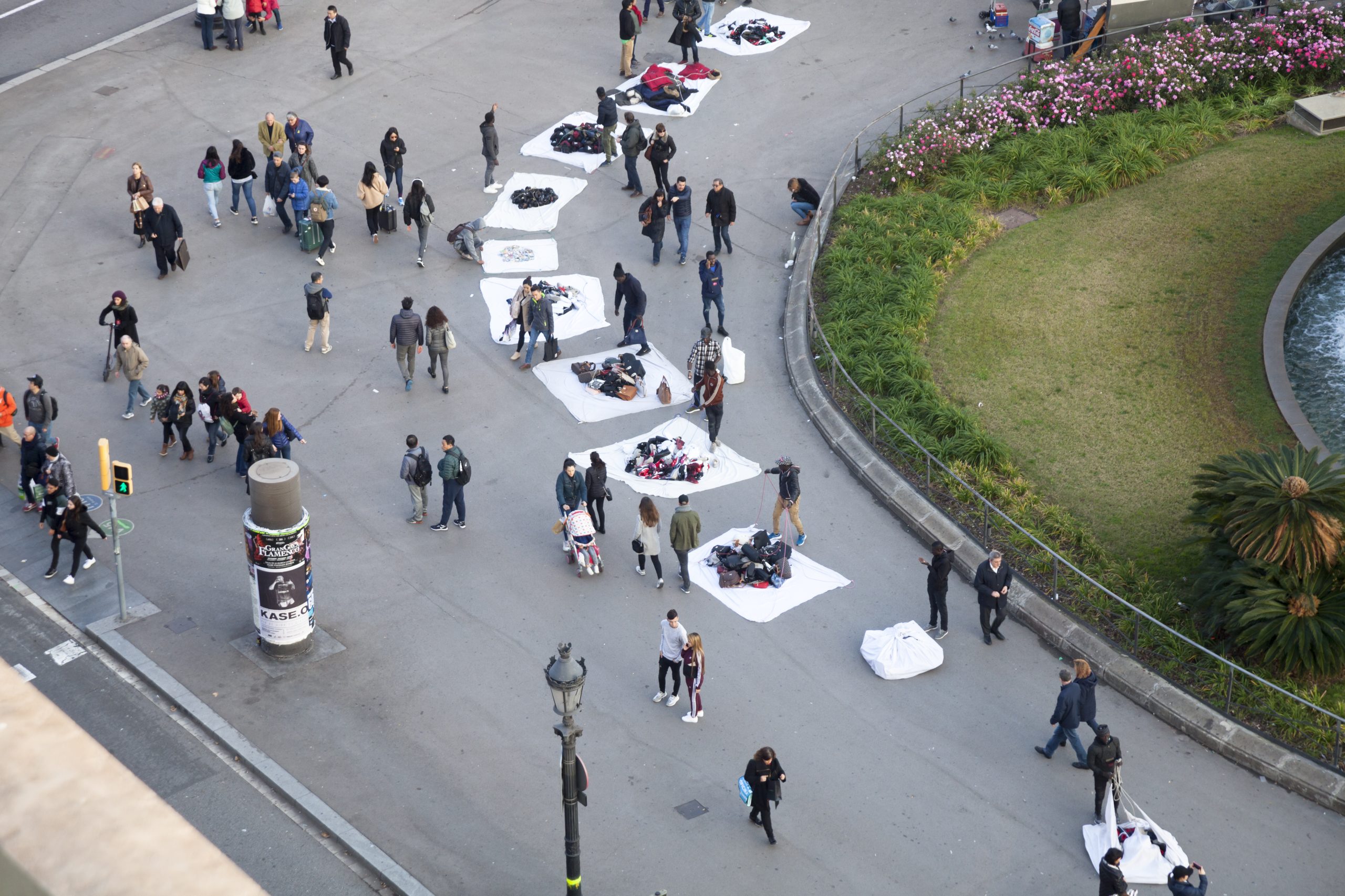

Today, as on every June 8, we celebrate World Anti-Counterfeiting Day—the perfect occasion to discuss the harm caused by this scourge.
In Spain, there is a tendency to think that counterfeits are always associated with luxury products from large global companies, but the reality is quite different. The sale of counterfeit goods poses a serious socioeconomic risk worldwide. As shown in the latest report published by the EUIPO and the OECD in January of this year, titled“Risks of Illicit Trade in Counterfeit Goods for Small and Medium-Sized Enterprises,” SMEs whose intellectual property is infringed are 34% less likely to survive after five years.
Product counterfeiting threatens a large number of industries. Counterfeit goods can be found in everyday consumer products, such as clothing, as well as in luxury items. In addition to economic damage, counterfeit goods often pose a serious risk to consumer health—as is the case with counterfeit medicines, food, cosmetics, etc.—because while legitimate suppliers are subject to strict regulations that ensure their products do not harm consumers, counterfeiters do not comply with these standards.
According to the Spanish Food Code, any food product shall be considered counterfeit if any of the following circumstances apply: a) it has been prepared or labeled to imitate a well-known product; b) its actual composition does not match the composition declared and advertised; and c) any other circumstance capable of misleading the consumer.
Among the most commonly seized counterfeit food products in recent years are olive oil—more than 60,000 liters of which have been seized—and wine. In 2021, the Mossos d’Esquadra seized 750,000 bottles of wine and 3.2 million counterfeit quality seals.
Other counterfeit products that pose a serious threat to people’s health and safety include vehicle parts and accessories, tobacco—11 illegal factories were shut down last year—and face masks; between 2020 and 2021, at the height of the pandemic, 60% of the face masks purchased were counterfeit.
A RECENT CASE
A few days ago, details emerged of a large-scale operation led by the National Police in various European countries, in collaboration with agencies such as the EUIPO and EUROPOL, in which approximately 2 million counterfeit products were seized and more than 370 people were arrested.
More than 3,900 seizures were carried out in 17 countries, resulting in the removal from the market of products affecting 258 brands and valued at 85.8 million euros. During the operations, it was determined that most of the seized products originated in China, Hong Kong, Turkey, and Vietnam.
Alberto Gallo, junior associate at ELZABURU