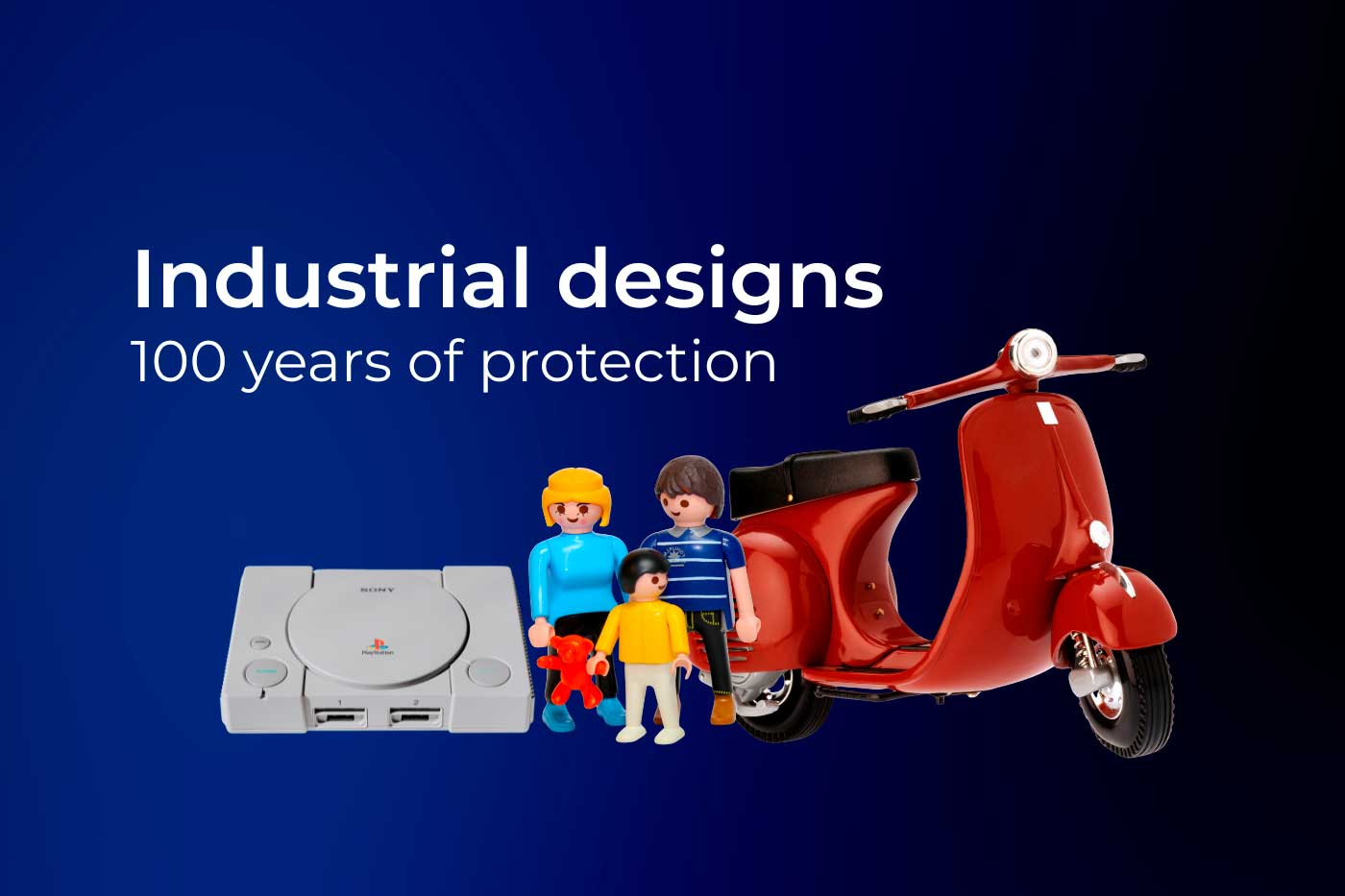





The centennial celebration of the Hague System for the International Registration of Industrial Designs marks a historic milestone that invites us to reflect on the evolution of design, its economic significance, and its role as a driver of business competitiveness. Over the course of a century, this system, administered by WIPO, has enabled creators and companies to protect the appearance of their products in multiple markets through a single procedure, fostering a global ecosystem of innovation, beauty, and utility.
A Century of Protecting Creativity: Background on the Anniversary
The Hague System was established in 1925 with the goal of providing a simplified way to protect designs across national borders. The earliest applications—such as fabrics for women’s hats—stand in stark contrast to today’s registrations of graphical user interfaces, robots, and electric vehicles. Over the years, the system has grown from 11 initial signatories to 82 member states and intergovernmental organizations from 99 countries.
Today, the numbers speak for themselves:
- More than 2 million industrial design registrations since the system was established.
- In 2024 alone, there were 27,161 applications, an increase of nearly 7% compared to 2023.
- A key economic indicator: In 2024, investment in design exceeded 685,000 million USD in the U.S., the U.K., and the EU.
Over the past 100 years, the system has evolved with new regulations, technological advancements (such as electronic filing), geographic expansion, and the participation of design powerhouses such as the U.S., China, South Korea, and Japan. New types of designs—particularly digital ones—have also been incorporated, reflecting how the traditional concept of “product appearance” has expanded to include, for example, graphical user interfaces (GUIs).
Industrial Designs That Defined an Era: Six Iconic Examples
To celebrate this centennial and highlight the impact of design protection, professionals from Elzaburu’s Industrial Design Department analyze iconic objects for which industrial design protection has been key to their legacy.
1. Playmobil Figures — Paloma Querol
Playmobil’s design has remained virtually unchanged since its inception. Its formal simplicity (rounded head, permanent smile, standardized proportions) is the foundation of its success. Industrial design protection has been essential to safeguarding a recognizable aesthetic that has spanned generations and spread to dozens of countries. As Paloma Querol points out, it is a prime example of how a minimalist design can support an infinite creative universe.
2. Piaggio Vespa Scooter — Pedro Saturio
Pedro Saturio highlights the Vespa as an example of design that transcends function. Inspired by postwar urban mobility, its “wasp-like” silhouette, self-supporting frame, and accessible handling made it a cultural icon. The protection of its industrial design has been essential to preserving its identity in the face of imitations in a highly competitive market.
3. Swiss Army Knife — Manolo Mínguez
Manolo Mínguez explains that the Swiss Army knife stands out for its industrial design focused on functionality. Its elongated and compact shape—designed to house multiple tools within a single, small-volume body—and its folding structure have made this object a benchmark in utilitarian design. Protection as an industrial design has been essential to preserving this characteristic configuration against products that have attempted to replicate its technical solution and overall appearance.
4. Sony PlayStation — Bosco de la Vega
Bosco de la Vega highlights Sony’s first PlayStation as an example of how industrial design can define an entire product category. Launched in 1994, its external design—the flat rectangular shape, the disc positioned in the center, and the distinctive button layout—helped create a consistent and recognizable user experience in a rapidly expanding market. Its protection as an industrial design has helped solidify the console’s visual identity and preserve an appearance that, over time, has become a cultural icon.
5. Xiaomi Electric Scooter — Ruth Sánchez
The rise of micromobility has made the electric scooter an everyday item. The Xiaomi Electric, registered in 2019, stands out for its sleek design, clean lines, and portability. As Ruth Sánchez points out, protecting these types of designs is essential given the rapid emergence of competitors and constant technological evolution.
6. Birkenstock Arizona Big Buckle Sandals — Sara Navarro
Sara Navarro highlights the importance of design in traditionally functional products. The Arizona Big Buckle model combines ergonomics, sustainability, and a distinctive style thanks to its iconic oversized buckle. Its registration as an industrial design has helped establish a recognizable aesthetic and protect the investment in comfort and brand value.
A century later, industrial design remains essential
After a century of history, the Hague System demonstrates that the protection of industrial designs does more than just preserve a product’s external appearance: it drives innovation, protects investment, strengthens brands, and enables competition in global markets.
In an environment where visual differentiation is more strategic than ever, having a protected design makes the difference between leading the way and falling behind.
At Elzaburu, we have a team specializing in industrial design that advises on the best ways to register, protect, and defend your creations in the various markets where your company operates.