Beyond Industrial Design: How to Protect Fashion Through Non-Traditional Trademarks
In the fashion industry, where aesthetic innovation and differentiation are a constant goal, adequately protecting intangible assets is key to maintaining a competitive advantage.
Industrial design is the primary route companies typically take when they want to protect the appearance of their products. However, it is not the only option. There are other forms of protection that, depending on the business objectives and the nature of the mark, may also be of interest and even desirable.
Among them are so-called non-traditional trademarks, which allow for the protection of certain elements; if successfully registered, they grant the owner an exclusive right that can be extended indefinitely, provided that the corresponding fees are paid at the time of renewal.
When Does It Make Sense to Develop a Non-Traditional Brand?
Without delving into a theoretical definition (which we already covered in the article on types of trademarks), the significance of non-traditional trademarks in the fashion industry lies in identifying the point at which an element shifts from being merely aesthetic to serving a truly distinctive function.
The key lies not in the type of symbol, but in how the consumer perceives it: if that element allows the product’s business origin to be identified, its protection as a trademark may be considered.
Industrial Design in the Fashion Industry
Industrial design is the natural and customary legal tool for protecting the appearance of a product, especially in the fashion industry, which is characterized by constantly changing collections.
However, as certain elements become established in the market, they may acquire additional distinctive value that goes beyond their purely aesthetic aspect. It is at this point that it may make sense to supplement (or, in some cases, replace) the protection afforded by design protection with a trademark strategy.
This is justified because the design protection regime has two structural limitations that do not exist in the trademark system: first, the requirement of novelty and distinctiveness, which means that, prior to the filing or priority date, the design must not have been made available to the public, nor may there be any prior art that creates a similar overall impression; and, second, the limited duration of protection, which in the European Union is a maximum of 25 years.
Trademark Protection: The Key Lies in Consumer Perception
Regardless of the type of sign, the key factor in determining whether a trademark (traditional or otherwise) can be registered is its ability to identify the source of the business.
In other words, when consumers see that element, they should be able to recognize which company is behind it, even without having to read a name or logo.
This criterion is particularly relevant in the fashion industry, where numerous elements that initially serve an aesthetic purpose may, through their use in the market and the average consumer’s perception of them, come to acquire distinctive character.
In practice, this can be observed in situations such as the following:
- Unique packaging or shapes, particularly in the perfume and cosmetics industry, where the design of the bottle or container is sufficiently original to be perceived by consumers as an indicator of the company's origin.
- A color or combination of colors, provided they are specific and eye-catching for short statements.
- Promotional slogans that aren't perceived as purely laudatory.
- " Trade dress," that is, the overall appearance of a business establishment or commercial space, refers to situations where its design, layout, and visual elements make it possible to identify a specific company.
Examples of non-traditional brands in fashion and beauty
The fashion and beauty industry offers numerous examples of how certain elements have evolved from being purely aesthetic to becoming true hallmarks:
- The red sole of Louboutin (a trademark based on position and color) is one of the best-known examples, where protection focuses on the red sole of a high-heeled shoe and the specific location of that element on the product.
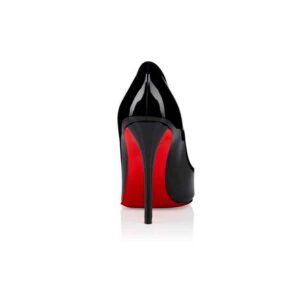
Louboutin's red sole. Source: Christian Louboutin website.
- Levi’s red label (positioning brand), which illustrates how a seemingly secondary element can become distinctive through its consistent use across all of the brand’s garments.
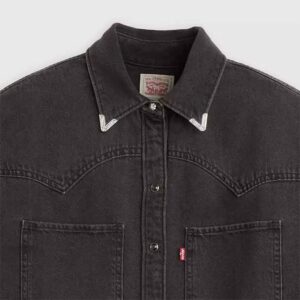
Levi’s Red Label. Source: Levi’s website
- The three Adidas stripes (positioning mark), whose protection is based on their specific placement on the product.

Three Adidas stripes. Source: Adidas website.
- Burberry's “Check” pattern (a signature design), an example of a repeating design that has transcended its decorative function.

Burberry “Check” print. Source: Burberry website.
- The Louis Vuitton monogram (brand logo), based on the systematic repetition of a recognizable symbol. It is typically associated more with leather goods.
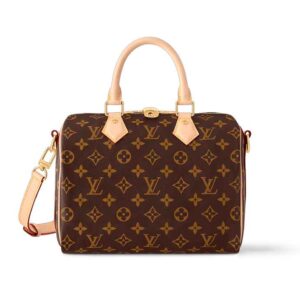
Louis Vuitton monogram. Source: Louis Vuitton website.
- The Hermès Birkin bag (three-dimensional trademark), whose shape has become so well-known that it allows one to identify the brand.

Hermès Birkin bag. Source: Hermès website.
- Jean Paul Gaultier's perfume bottles (a three-dimensional brand), which demonstrate how a shape can function as a brand when it is particularly distinctive.

Jean Paul Gaultier perfume bottles. Source: Jean Paul Gaultier website.
- Sephora stores ( a three-dimensional brand), where the layout of the retail space (layout, colors, and visual elements) makes it possible to identify the company's origins.

Sephora store at La Vaguada Shopping Center.
These cases share a common element: they are not merely attractive designs, but rather signs that, over time and through use in the marketplace, have acquired a clear identifying function.
Limitations and Strategic Value: Protection Beyond Registration
The protection of non-traditional trademarks offers significant advantages, but it is not without its challenges. Not every aesthetic element can become a trademark, especially in an industry such as fashion, where many signs serve primarily a decorative function.
Although, from a legal standpoint, no higher degree of distinctiveness is required than for traditional trademarks (word or design trademarks), the practice of trademark offices (especially the EUIPO) shows that, in order to meet the minimum threshold of distinctiveness, the claimed shape, configuration, or color must differ significantly from the customary practices and standards of the industry.
Otherwise, such elements will be perceived as intrinsic characteristics of the product or its presentation, which, in most cases, leads to the refusal of registration due to a lack of distinctiveness; the applicant must then demonstrate, if applicable, that the mark has acquired distinctiveness through use in the market or has acquired secondary meaning.
Once the threshold of distinctiveness has been met, trademark protection provides significant strategic value. Unlike industrial design protection, it allows for indefinite protection, provided it is renewed.
From a practical standpoint, this is particularly relevant in the fight against counterfeits and imitations, since trademark protection allows for action not only against identical copies but also against marks that create a risk of confusion or association in the mind of the consumer.
Protection of Intangible Assets in the Fashion Industry: A Strategic Issue
In the fashion industry, protecting intangible assets requires a flexible approach tailored to each specific case. There is no single optimal approach; rather, there are various tools that must be combined depending on the business objectives and the nature of the mark.
Non-traditional trademarks, although less common, can play an important role in this strategy when the protected element goes beyond its aesthetic dimension and becomes part of the brand’s identity.
Cristina Velasco, Senior Associate in the Trademark Practice Group at ELZABURU.
“Joyería de Córdoba”: Spain’s first geographical indication (GI) for artisanal and industrial products
Córdoba and the jewelry industry have a centuries-old relationship. This craft is an integral part of both the city’s history and its economy (with an extensive network of workshops, manufacturers, and professionals), and as of this summer, it has taken on a new legal dimension: “Joyería de Córdoba” is the first Spanish geographical indication (GI) registered for artisanal and industrial products under Regulation (EU) 2023/2411.
This recognition establishes, for the first time in Spain, a European protection mechanism for names associated with non-agricultural products whose value lies, to a large extent, in their geographic origin, reputation, and local expertise.
A collective right to a designation, not to any piece of jewelry manufactured in Córdoba
The protection afforded by this GI recognizes the connection between Córdoba and a jewelry-making tradition that has been sustained for generations through specialized knowledge, unique techniques, and a production structure deeply rooted in the city.
This GI covers various jewelry products (rings, bracelets, necklaces, earrings, and other pieces made of gold, silver, or platinum, which may incorporate pearls, gemstones, or enamel) and establishes the conditions that must be met in order to market them under the designation “Joyería de Córdoba.”
According to the specifications, all stages of production and packaging must take place within the defined geographical area. The pieces are associated with Córdoba because of the quality of their design and finish, their weight-to-volume ratio, and the specialized knowledge passed down through generations of local producers.
This does not mean that any jewelry manufactured in Córdoba is automatically protected, nor that the city obtains an exclusive right to produce jewelry. What is protected is the use of “Joyería de Córdoba” as a designation associated with a specific origin and specific characteristics. Producers who wish to use this designation must be located within the defined geographic area and comply with the corresponding specifications.
This distinction is significant because the value of the name no longer depends solely on its commercial recognition. From now on, there is also a common legal tool to defend it against those who seek to benefit from that reputation without meeting the established requirements.
Why has this recognition become possible now?
Until recently, this type of protection was associated primarily with food, wine, and oil. However, Regulation (EU) 2023/2411, effective as of December 1, 2025, established a unified system of protection for geographical indications of artisanal and industrial products, thereby expanding the scope of the previous protection. Since then, products such as jewelry, ceramics, textiles, glass, leather, natural stone, cutlery, and furniture can qualify for a European geographical indication when they meet the required criteria.
However, to qualify for this protection, it is not sufficient for a product to be traditionally manufactured in a particular locality. The product must: (i) originate from a specific place, region, or country; (ii) possess a quality, reputation, or other characteristic attributable primarily to that geographic origin; and (iii) have at least one stage of production carried out within the defined geographic area. In the case of “Joyería de Córdoba,” the specifications require an even stronger link, as all stages of production and packaging must take place within the municipality of Córdoba.
The system therefore seeks to protect a genuine link between the product and the territory, not merely a geographic name used for commercial purposes.
What is the actual scope of a GI such as “Joyería de Córdoba”?
A geographical indication confers a collective industrial property right that can be enforced throughout the European Union. Furthermore, it protects the designation linked to the origin, not each individual piece of jewelry produced under that designation. For this reason, this type of protection does not replace other industrial property rights but can coexist with them as part of a broader protection strategy.
A manufacturer may continue to use its trademarks to distinguish its products from those of other operators and rely on industrial designs to protect the appearance of certain parts. A geographical indication operates on a different level: it identifies a place of origin and characteristics shared by authorized producers.
This combination is particularly interesting in sectors where a distinct corporate identity coexists with a collective reputation. While the brand makes it possible to identify who is behind a product, the geographical indication adds another piece of relevant information: where it comes from and why that origin is part of its value.
Therefore, in addition to protecting their trademarks and designs, companies and producers must ensure that the signs they apply for or use do not conflict with prior geographical indications. Conversely, the registration of a GI for artisanal and industrial products does not automatically eliminate validly acquired prior rights; the coexistence of these rights must be analyzed in accordance with the Regulation and the circumstances of each case.
What Benefits Does the GI Bring to the Cordoba Jewelry Industry?
One of the main effects of recognition lies in the ability to defend the designation. The greater the prestige of a designation, the greater the interest of third parties may be in using it, associating themselves with it, or suggesting a connection to that origin that does not actually exist.
Consequently, the new European regime allows for action to be taken in the 27 member states of the European Union—among other cases—against the direct or indirect commercial use of the designation for products not covered by it, its misuse, imitation, or evocation, false or misleading indications regarding origin, and other practices likely to mislead consumers. Protection also extends to domain names and infringements committed on online platforms and electronic marketplaces, in accordance with the terms set forth in the Regulation.
Therefore, its usefulness is not limited to certifying origin. It also prevents third parties from misappropriating the collective reputation built around the name, even when they do not literally reproduce the protected designation.
Indeed, for producers in Córdoba, the GI can also serve as a tool for differentiation. In a market where items and products from a wide variety of sources coexist, the geographical indication makes it possible to distinguish those that meet verifiable requirements of origin and quality, while protecting the collective reputation associated with the designation “Joyería de Córdoba.”
Protecting the origin also means preserving knowledge
For artisanal products, the connection to a region is often based on more than just a geographic location. Behind them lie techniques, production processes, specialized training, and knowledge that have been passed down and adapted over time. In that sense, protecting a geographic indication can also help preserve the economic value of that know-how.
This does not mean rigidly preserving tradition. Cordoba’s jewelry industry, like any other, will continue to incorporate new technologies, materials, designs, and marketing strategies. What matters is that this evolution does not dilute the characteristics that allow the product to remain connected to its place of origin.
The very logic of the system thus links two issues that have often been addressed separately: the protection of an intangible asset and the continuity of the local economic fabric. If origin is part of a product’s value, preserving what underpins that reputation also becomes a strategic issue.
A precedent for other sectors in Spain
The registration of “Joyería de Córdoba” sets an important precedent for other Spanish artisanal and industrial products linked to a specific region. Spain has numerous artisanal and industrial products whose reputation is tied to specific cities, counties, or regions, ranging from ceramics, footwear, and leather to textiles, glass, and certain metalwork.

This does not mean that everyone can or should be granted a geographical indication. Before initiating an application, it will be necessary to identify the eligible group, delimit the protected geographical area, define the product, its characteristics, and its production method, demonstrate the link between its qualities, reputation, or characteristics and the territory, and establish a viable control system. It will also be important to analyze how this protection will coexist with trademarks, designs, domain names, and other assets already existing in the sector.
“Joyería de Córdoba” confirms that geographical origin can constitute a legal and competitive asset even outside the agri-food sector. Thus, in light of this new landscape, geographical indications open up an additional avenue for protecting and promoting assets linked to a specific territory, but their usefulness will depend on each sector and how they are integrated with other forms of industrial property. At ELZABURU, we assist companies, associations, and producer groups in the analysis, protection, and strategic management of these types of assets, evaluating in each case the most appropriate approach to preserve their reputation, differentiation, and market position.
Raquel González Betanzos, attorney in the trademark practice group at Elzaburu.
Evidence of Use of a Trademark: Key to Opposition Proceedings
Proof of use has become a decisive factor in trademark opposition proceedings in Spain and the European Union. Its introduction into Spanish law in 2019 has brought about a significant change in the strategy for defending trademark rights, requiring owners to demonstrate actual use of their trademarks in certain cases.
This mechanism not only affects the outcome of a competitive examination but also has a direct impact on the active management of companies' intangible assets.
What is proof of use of a trademark?
The use defense is the right of a trademark applicant to require the opponent to prove that its earlier trademark has been effectively used in the marketplace.
Specifically, this requirement applies when the earlier trademark on which the opposition is based has been registered for more than five years at the time the contested application is filed.
If the owner of the earlier trademark fails to prove such use, the consequence is clear: the opposition is dismissed.
What is meant by "genuine use" of a trademark?
The concept of trademark use is not limited to symbolic or residual use. The law requires actual use sufficient to fulfill its essential function: to identify the commercial origin of the goods or services.
The following is not considered effective use:
- Merely symbolic use
- Isolated actions with no real impact on the market
- Uses intended solely to maintain the registration without any actual commercial activity
On the contrary, the use must be public, external, and market-oriented, and related to the goods or services protected by the trademark.
Requirements for Proof of Use in a Trademark Opposition Proceeding
For evidence of use to be admissible in a trademark opposition proceeding, it must demonstrate all four of the following key elements:
1. Location
It must be demonstrated that the trademark has been used in the territory where it is protected, although it is not necessary to cover the entire territory.
2. Time
The use must have occurred within the five years prior to the contested application.
3. Scope
The intensity of use is evaluated based on sales volume, frequency, duration, or market penetration.
4. Nature
The trademark must be used in accordance with its registration, without altering its distinctive character.
These four factors do not have to be substantiated in a single document, but they must be proven collectively.
What evidence can be submitted?
Proof of a trademark's use is based on a body of evidence that, when analyzed collectively, demonstrates its actual use in the marketplace.
Some of the most common tests include:
- Invoices and delivery slips
- Sales Catalogs
- Media Advertising and Promotional Materials
- Product or packaging photographs
- Participation in trade shows or events
- Sales reports or market research
- Digital evidence (web, social media)
A key point is that this evidence must include information on dates, territory, and the manner of use; otherwise, it may not be taken into account.
Consequences of Failing to Prove Use of a Trademark
The lack of proof of use has a direct impact on trademark opposition proceedings.
If the opponent:
- Failure to submit evidence by the deadline
- Presents insufficient evidence
- Or submits evidence that fails to demonstrate actual use
The objection will be dismissed.
This means that a registered trademark may lose its ability to defend against new applications if it is not being used properly in the marketplace.
In addition, and apart from opposition proceedings, an earlier trademark that is not in use may be subject to a cancellation action, which could result in the loss of the registration.
Usability Testing and Rebranding: A Critical Point
Usage testing is particularly important in rebranding processes, where brands evolve over time.
Use must be consistent with the registration or, at the very least, must not alter the trademark’s distinctive character. If the trademark as used differs substantially from the registered trademark, there is a risk that the use will not be deemed established.
Therefore, taking a cautious approach:
- It is advisable to ensure that actual usage matches what is recorded.
- Update the records as the brand evolves.
- Consider registering word marks to strengthen protection.
The test of use as a strategic element
Product testing has evolved from a technical issue to a strategic element in brand management.
It is not enough to simply register a trademark; it must be used effectively, consistently, and in a documented manner. Otherwise, its defensibility in opposition proceedings may be compromised.
In this context, active management of the trademark portfolio is key. This includes not only registration but also monitoring the actual use of trademarks and ensuring they remain consistent with the registration, especially in situations involving evolution or repositioning.
In these types of situations, having access to specialized advice makes it possible to anticipate risks, properly structure the proof of use, and strengthen the brand’s position in opposition proceedings, incorporating aspects such as trademark monitoring and strategic management of the trademark portfolio.
Lucía Palomino, an attorney in the Trademark Practice Group at Elzaburu,
From Brazil to Australia: Can a country's name be registered as a trademark?
A Brazilian company sells granola, cereal, and bars under the brand name AUSTRALIA:

The choice is striking: Can a company commercially appropriate the name of a country with which its products do not necessarily share an origin?
The short answer is: it depends. Registering the name of a country is not prohibited per se; the problem arises when consumers might interpret that geographic name as information about the products or services rather than as an indicator of their business origin.
The AUSTRALIA case is particularly interesting because it illustrates the extent to which the same branding strategy can play out very differently in Brazil and in the European Union.
AUSTRALIA: From Geographic Reference to Brand Identity
Hart’s Alimentos Naturais is a Brazilian company that specializes in healthy food products such as granola, cereal, and protein bars. The company’s history links its choice of the “Australia” concept to one of its founders’ experiences in that country and to certain values associated with her lifestyle.
The company has registrations in Brazil that include the term, such as HART’S NATURAL GRANOLA AUSTRALIA, GRANOLA AUSTRALIA, and CHOCOPOPS AUSTRALIA, and filed an application in September 2025 for products in Class 30.
The company has also expanded beyond Brazil. In May 2026, it filed a trademark application in Uruguay for products in classes 5 and 30.
But would this strategy be equally viable in the European Union?
Can the name of a country be registered as a trademark in the European Union?
The fact that a word is the name of a country, a city, or a region does not automatically prevent it from being registered as a trademark.
The key lies in whether or not the geographical origin is descriptive. According to European case law, the key is to determine whether consumers perceive “Australia” as an indicator of actual origin or as an evocative or fanciful trademark.
And here’s the interesting part: for example, the EUIPO rejected trademark No. 016746414 “AUSTRALIA” in classes 12, 25, 28, 35, and 37 (R 2207/2017-2), taking into account the country’s political and economic stature and weight, and concluded that, given its climate and harsh natural conditions, the sign could be perceived as indicating that the goods and services are “built to last.”
And, specifically in the food sector, in the ICELAND case (Grand Chamber, R 1238/2019-G), it was established that the names of countries are perceived differently from other geographical indications, because consumers tend to assume the national origin of the products. In that case, the trademark was denied for products in classes 29, 30, 31, and 32, as the country projects a positive image—innovation, sustainability, nature—capable of influencing purchasing decisions.
But there is a second issue that should not be overlooked. Beyond descriptiveness, the fact that the trademark is “AUSTRALIA” while the company is Brazilian and the products are of Brazilian origin could open the door to a ban on the grounds of misleading nature: a mark that leads consumers to believe that the products come from Australia when they actually come from another country may be considered misleading regarding geographic origin. And this obstacle is particularly sensitive because—unlike descriptiveness—it cannot be overcome by distinctiveness acquired through use.
In short, it is possible to register a trademark using the name of a country, but the better known the country is and the better its “image” is for those products or services, the more difficult it becomes. In the food and wellness sectors, a country like Australia—which is associated with nature, sports, and healthy living—is likely to raise concerns at the Trademark Office regarding descriptiveness or the risk of misleading consumers about the origin.
And it is worth emphasizing that this issue is not limited to registration: the use of the trademark can also be controversial. The common denominator is the same as in the registration process—the risk of misleading consumers regarding the geographic origin—but the difference is that, in the context of use, this risk is addressed not only by trademark law (which may result in the trademark’s revocation if its use is misleading) but, above all, by laws governing unfair competition, consumer protection, and labeling, with standing to bring claims open to competitors and authorities.
The same brand can yield different results depending on the region
The case also highlights a fundamental characteristic of trademark law: rights are territorial, and a mark that is registrable in one country is not necessarily eligible for registration in another.
In Brazil, Hart’s has successfully registered several trademarks that include the term “AUSTRALIA” by taking advantage of a provision expressly provided for in Brazilian law. Article 181 of the Industrial Property Law [1] establishes that a geographic name that does not constitute an indication of source or a designation of origin may serve as a distinctive element of a trademark for a product or service, provided that it does not mislead as to the true origin. In other words, the law does not authorize the registration of the geographic name as such, but rather its use as one of the elements that characterize and comprise the mark, subject to the essential condition that it does not create a misleading association regarding the true origin of the goods or services.
In the European Union, the analysis is based on a similar rationale—to prevent the monopolization of descriptive terms or terms that could be misleading—but EUIPO’s practice has developed a particularly stringent standard with respect to certain geographic names. Case law (beginning with Chiemsee[2]) has established a multi-step test that requires: (i) identifying the geographic location designated by the trademark; (ii) assessing the degree of familiarity with that location among the relevant public; (iii) evaluating the suitability of the location as the origin, place of manufacture, or place of design of the goods and services; (iv) assessing whether the public currently associates the place with the goods or services; (v) if no such association exists today, determining whether it is reasonable to assume that one will be established in the future, taking into account the public’s familiarity with the name and the characteristics of the place; and (vi) analyzing the significance of the place for the quality or characteristics of the goods and services in the eyes of the target public.
This criterion explains why the EUIPO has come to consider a name such as “AUSTRALIA” to be descriptive or lacking distinctiveness, on the grounds that it evokes a certain attitude toward life and a reputation that may influence consumer choice. The outcome will always depend on the goods and services, public perception, and the specific circumstances surrounding the mark. But it does demonstrate that a viable trademark strategy in the home market may face different obstacles when it goes global.
In the case of Hart’s, there is currently no application on file containing the term “AUSTRALIA” that would be effective in any European Union country. Therefore, we do not yet know what the outcome of a potential application in that jurisdiction would be. Existing precedents, however, suggest that the use of “AUSTRALIA” as a trademark would have to withstand particularly rigorous scrutiny.
Yet another reason to assess a trademark’s registrability not only in the market where it originates, but also in the territories to which it is likely to expand in the future.
Lorena Sánchez Merino, attorneyin the Trademark Practice Group at Elzaburu.
[1] Law No. 9,279, dated May 14, 1996
[2] May 4, 1999, C-108/97 and C-109/97, Chiemsee, EU:C:1999:230
Industrial Design and Counterfeits: Why Protecting a Product's Appearance Is a Strategic Decision
Can a product's appearance influence a purchasing decision? Yes. Industrial design not only makes a product more appealing—it can also convey quality, innovation, trust, and differentiation from other similar products.
A recent report from the European Union Intellectual Property Office (EUIPO) confirms this idea with relevant data. Seventy-two percent of European consumers consider product design to be important when deciding what to buy, and nearly three out of four are willing to pay more for a better-designed product. In Spain, that figure also stands at 73 percent.
But the report allows us to take it a step further. If industrial design influences consumer choice, it also becomes an asset that is particularly vulnerable to copying, imitation, and counterfeiting. Therefore, protecting a product’s appearance is not just an aesthetic issue. It is a strategic decision within a company’s industrial property management.
What Does Industrial Design Protect?
Industrial design protects the configuration or external appearance of a product. That is, its lines, contours, shape, colors, textures, materials, ornamentation, or a combination of these elements.
It does not protect an abstract idea or a technical solution in and of itself. Other forms of protection, such as patents or utility models, exist for that purpose. An industrial design protects the specific way in which a product is visually presented on the market.
This can be applied to a wide variety of products: furniture, containers, handbags, jewelry, clothing, electronic devices, industrial parts, lighting, toys, packaging, and everyday consumer goods.
In markets where many products offer similar features, appearance can be a deciding factor. Recognizable packaging, a distinctive shape, or a consistent visual style can help consumers identify, remember, and prefer one product over others.
This point is particularly relevant in the digital environment. Purchasing decisions are increasingly made on marketplaces, social media, and e-commerce platforms, where the product’s image carries a great deal of weight before the consumer can physically touch, try, or compare it.
Industrial Design and Counterfeits: A Direct Relationship
Counterfeiting does not always involve copying a brand or reproducing a logo. In many cases, it is the product's appearance that is imitated.
A counterfeit product may replicate the shape of a handbag, the design of a piece of jewelry, the style of a sneaker, the silhouette of a lamp, or the overall appearance of a package. Sometimes it will also feature another brand’s logo. Other times, it will attempt to visually resemble the original product without exactly copying its distinctive mark.
That is where the protection of industrial designs takes on obvious practical value.
A trademark protects the sign that identifies the source of a business: a name, a logo, a graphic combination, or, in certain cases, a distinctive shape. Industrial design, on the other hand, protects the external appearance of a product. These two forms of protection can be complementary, and in industries prone to copying, it is advisable to analyze them in a coordinated manner.
For example, in fashion, jewelry, watches, furniture, accessories, electronics, or packaging, consumers often recognize a product by its appearance rather than by other factors. If that appearance is copied, the damage can go beyond a lost sale. It can affect the company’s reputation, create confusion in the market, and undermine the investment made in creativity, development, and communication.
Why the Best-Designed Products Are the Most Vulnerable
In principle, the more recognizable an industrial design is, the more value it can generate. But it may also be more attractive to those seeking to capitalize on that value without bearing the costs of design, manufacturing, quality, or branding.
The EUIPO report notes that sectors where design plays a key role are particularly vulnerable to counterfeiting. In the European Union, estimated annual losses amount to 12 billion euros in the textile and apparel sector and 2.7 billion euros in the handbag and jewelry sectors. In Spain alone, counterfeiting causes losses of more than 1.2 billion euros in these sectors.
E-commerce has exacerbated this risk. A counterfeit industrial design can appear on a marketplace, circulate on social media, be promoted through targeted ads, or reach consumers through international channels in a very short time.
This poses an additional challenge for companies. By the time the infringement is detected, the counterfeit product may already have been distributed across various platforms or territories. In such a scenario, having a registered design can facilitate enforcement, as it makes it easier to establish more clearly which appearance was protected, starting when, and within which territorial scope.
It's not just a problem for large companies
Counterfeiting is often associated with large companies, but small and medium-sized enterprises are also particularly vulnerable to the copying of industrial designs.
Many small and medium-sized enterprises base their differentiation on a few products or a unique appearance that is an essential part of their competitive advantage. When a third party copies those designs and sells them at a lower price, the consequences can be significant, since SMEs typically have fewer resources to monitor and respond to infringements.
The EUIPO report highlights precisely this gap. Although companies that register industrial property rights tend to show better economic indicators, only about 1% of EU SMEs hold registered design rights.
The figure shows clear room for improvement. Many companies invest in creating attractive products, but they do not always include industrial design protection in their planning. And, in many cases, the problem arises when the product has already become successful and copies begin to appear.
How to Integrate Industrial Design into a Company's Strategy
Protecting an industrial design should start with a simple question: What visual elements make this product recognizable or unique?
From there, it is important to identify which products, packaging, collections, components, or decorative elements have actual or potential commercial value. Not all designs need to be registered, but those that involve significant investment, offer differentiation, or have market potential deserve specific evaluation.
It is also advisable to keep documentation of the creative process: sketches, drafts, renderings, briefs, design decisions, creation dates, and contracts with external designers. This documentation can be useful in the event of a dispute, especially if you need to defend the validity of the design or prove ownership.
Finally, protection must go hand in hand with monitoring. Detecting counterfeit products, imitations, or copies of industrial designs on marketplaces, at trade shows, on social media, or through distribution channels allows us to respond sooner and minimize the impact.
Trademarks, Industrial Design, and Unfair Competition: Complementary Approaches
In some disputes, the copying of a product can be analyzed from different legal perspectives.
If a sign identical or similar to a registered trademark is used, a trademark infringement may occur. If the appearance protected by a registered design is reproduced, an industrial design infringement may arise. And, in certain cases, it may also be assessed whether unfair competition exists, especially when the imitation causes confusion, takes unfair advantage of another’s reputation, or distorts market behavior.
For this reason, protection against counterfeits and counterfeit products rarely relies on a single approach. The most effective strategy is usually to develop a combined approach.
Protecting industrial design means protecting the investment in differentiation
The EUIPO report confirms that industrial design influences consumer choice and contributes to the competitiveness of European companies. But that very value also makes it a target for counterfeiting and copying.
For companies, registering an industrial design should not be viewed as a defensive measure reserved for when a dispute arises. It is a strategic decision that protects the investment made in creativity, development, market positioning, and reputation.
Manolo Mínguez, Senior Associate – Director of the Elzaburu Office in Valencia
Cyber squatting and domain names: a new fast-track process for protecting a trademark online
A domain name may seem like a small thing—just a web address. But in practice, it directly affects a company's online identity.
When a company builds its digital identity, the domain name is no longer just a technical element. It is part of its brand, its reputation, and, in many cases, the first point of contact with customers, suppliers, or users. That is why, when a third party registers a domain that is identical or very similar to another company’s trademark, the problem is not limited to a mere formality. It can affect web traffic, sales, consumer trust, and even the security of the business itself.
This phenomenon, known as cybersquatting, is not new. However, it remains very much a reality. In fact, in 2025, the World Intellectual Property Organization (WIPO) handled 6,282 cases involving domain names—the highest number since it began providing this service 25 years ago.
What Is Cyber-Squatting and Why Does It Affect Brands?
Cyber squatting generally involves registering a domain name that reproduces, imitates, or unduly resembles another party’s trademark. In many cases, the goal is speculative: to later sell the domain to the legitimate trademark owner. In other cases, the risk is even greater: redirecting traffic, harvesting data, impersonating the company, or capitalizing on its reputation.
The very nature of the domain name registration system means that, unlike with trademarks, registration can take place without a prior examination to assess potential conflicts with prior rights. If the domain name is available, it can be registered.
This explains why small variations can have significant consequences. Adding a letter, changing an extension, inserting a hyphen, or using a similar spelling may be enough to create a domain name that is technically different but commercially very similar to the original mark.
For a company, the damage can manifest in several ways: a loss of visitors, confusion among customers, damage to its reputation, exposure to fraud, or interference with marketing campaigns.
Domain Names and Trademarks: Different Assets, Interrelated Risks
It is important to distinguish between two concepts. A domain name is not, in and of itself, a trademark. Its primary function is to identify an Internet address. The trademark, on the other hand, identifies the commercial origin of goods or services and grants its owner an exclusive right within specific limits.
However, in practice, these two assets are closely linked. A strong brand typically requires a consistent digital presence. And a poorly protected digital presence can become a weak point in a brand’s strategy.
For this reason, domain management should not be approached as a purely technical or administrative matter. It is part of protecting a company’s intangible assets. Just as a company checks the availability of a trademark before launching it on the market, it is also advisable to analyze which domains should be registered, which extensions are relevant, and which variations could pose a risk.
The UDRP: An Out-of-Court Process for Recovering Domain Names
To address these types of disputes, the Uniform Domain-Name Dispute Resolution Policy, known as the UDRP, was created. It is an out-of-court procedure that allows trademark owners to seek the transfer or cancellation of domain names registered in bad faith.
The process is usually faster and more efficient than going directly to court. In addition, it allows disputes to be resolved regardless of the parties' locations.
WIPO's New Expedited Service: A Response to Time Constraints
It is in this context that the introduction of an expedited service under the UDRP is understood. The possibility of obtaining a decision within a maximum of 30 days, in certain cases, addresses a very specific need: to reduce the amount of time a potentially infringing domain name remains active.
The goal is not to replace the standard procedure—which will continue to be sufficient in many cases—but to offer an alternative for situations where speed is particularly important. For example, when the domain is causing actual harm or when there is a clear risk to a company’s online identity. In these scenarios, every day counts.
When Might It Make Sense to Use the Expedited Process?
The expedited procedure requires certain conditions, such as the absence of procedural issues, a prompt response from the parties, and effective cooperation from the registrar. Therefore, this is not an automatic mechanism, but rather an option designed for cases in which certain conditions are met.
In addition, this approach involves an additional cost. This makes it necessary to assess, on a case-by-case basis, whether the urgency justifies using the expedited service or whether the standard procedure is sufficient.
Protecting a brand online requires foresight and speed
The evolution of the UDRP and the introduction of an expedited procedure reflect the system’s adaptation to today’s reality. The digital environment is faster, more exposed, and more complex than it was 25 years ago. Dispute resolution mechanisms must follow that same logic.
Cyber squatting persists because registering a domain name remains simple and inexpensive, while the value of a brand and its online presence has continued to grow. Given this balance, mechanisms such as the UDRP remain essential for rights holders.
At ELZABURU, we help innovative companies protect, manage, and maximize the value of their intangible assets, supporting them in protecting their trademarks and domain names through strategic advice that ranges from registration and portfolio management to monitoring and defending their rights in any jurisdiction.
Luis Beneyto, Partner in the Trademark Practice Group at ELZABURU
Frequently Asked Questions About Cybersquatting and Domain Names
What is cyberoccupation?
Cyber squatting is the registration of a domain name that replicates or imitates another party's trademark, typically for speculative purposes, to divert traffic, or to take advantage of that trademark's reputation.
Is a domain name the same as a trademark?
No. A domain name identifies an Internet address, while a trademark identifies the business origin of products or services. Even so, these two assets are connected and must be managed in a coordinated manner.
What is the UDRP?
The UDRP is an out-of-court procedure that allows for the transfer or cancellation of certain domain names registered in bad faith when they infringe upon prior trademark rights.
When is it best to use the fast-track process?
This can be useful when the infringing domain poses an urgent risk to the company: identity theft, active campaigns, traffic diversion, data collection, or disruption to strategic markets.
EUIPO refuses Rosalía’s LUX trademark application for lack of distinctive character and descriptiveness
The European Union Intellectual Property Office (EUIPO) has rejected the application for the European Union trademark “LUX” filed by Rosalía Vila Tobella. The decision is based on the perception that the Romanian-speaking public in the European Union would have of the term, considering that it would not be understood as an indication of business origin, but rather as a promotional or laudatory reference to luxury, superior quality, or select products and services.
This case is relevant to any company or creator seeking to protect a name throughout the European Union. The unitary nature of the European trademark means that an obstacle identified in one part of the territory can prevent registration in all Member States.
What products and services was the LUX trademark intended to protect?
The European Union Intellectual Property Office has, in the first instance, rejected European Union trademark application No. 019198973 “LUX” filed by Rosalía Vila Tobella. This application sought to distinguish goods and services in classes 9, 25, and 41, which include, among others, musical recordings, downloadable audiovisual content, CDs, vinyl records, DVDs, eyewear, smartphones, cameras, headphones, smartwatches, electronic publications, clothing, footwear, and musical entertainment services and live performances.
The request therefore covered various areas related to the artist's musical activities and the commercial use of her image, ranging from recordings and digital publications to technology products, fashion, and live performances.
The proceedings began with an initial objection issued by the EUIPO on July 10, 2025. The applicant filed a response on September 11 of that year. After reviewing it, the Office issued a second notice of grounds for refusal on February 3, 2026, in which it elaborated on its analysis in greater detail. Since no further response was filed within the allotted time, the EUIPO upheld the objection and rejected the application on July 8, 2026.
Why does the EUIPO believe that "LUX" cannot be registered as a trademark?
The Office has determined that the sign “LUX” is descriptive and lacks distinctiveness for the Romanian-speaking public in the European Union. According to the EUIPO, that public would perceive the term as a direct reference to “luxury,” “superior quality,” “exclusive,” or “exceptional,” and not as an indication of commercial origin.
Consequently, the Office understands that LUX conveys a promotional or laudatory message applicable to the goods and services covered by the application, including musical recordings, audiovisual content, clothing, footwear, and entertainment services. In other words, consumers would not view LUX as a trademark that identifies the commercial origin of those goods or services, but rather as an indication that they are premium, exclusive, or high-quality.
Distinctiveness is precisely what enables a trademark to fulfill its essential function, which is none other than allowing consumers to associate certain products or services with a specific company and distinguish them from those of other operators. A promotional expression is not automatically excluded from registration, but it must also be capable of serving as an indication of the company’s origin.
According to the EUIPO, this is not the case with LUX. For the relevant public, the term would merely highlight a positive quality of the goods and services, without incorporating any unexpected element, wordplay, or particular construction that would require the consumer to make an interpretive effort. Therefore, the descriptive and laudatory perception would prevail over the distinctive function inherent in a trademark.
Is the denial based solely on the Romanian public?
Yes. Although in its first communication the EUIPO referred to both the English-speaking public and the Romanian-speaking public, in the second communication the objection focused solely on the perception of the European Union by the Romanian-speaking public. The final decision refers to the grounds set forth in that second communication, which the Office considers an integral part of the decision.
This point is particularly relevant because it confirms one of the distinctive features of the European Union trademark: it is sufficient for there to be a ground for refusal in any part of the Union for the application to be refused in its entirety. In this case, the EUIPO considered it sufficient that the term “LUX” was perceived by the Romanian-speaking public as a promotional or laudatory reference to luxury, superior quality, or select goods and services.
What arguments did the petitioner raise?
The applicant argued that the mark applied for was “LUX,” not the English term “luxury,” and therefore the two marks could not automatically be equated. She also challenged the linguistic sources used by the Office and contended that “LUX” could be understood to have other meanings, in particular as the unit of measurement for illumination or as the Latin term for “light.”
In addition, the party cited the existence of other trademark registrations that included the element “LUX,” both with the EUIPO itself and with the Romanian trademark office, and noted that an equivalent application had been accepted for publication in the United Kingdom.
The EUIPO rejected these arguments. In particular, it held that the fact that “LUX” might have other meanings did not preclude a finding that it was descriptive or laudatory if, for the relevant public, one of its possible connotations was luxury, superior quality, or exclusivity with respect to the goods and services claimed.
The Office also noted that the European Union trademark system is autonomous and is not bound by previous decisions of the EUIPO itself, national offices of Member States, or offices of third countries. Although such precedents may be taken into consideration, each application must be examined based on its specific goods and services, the relevant public, and the circumstances existing at the time of examination.
Therefore, the prior acceptance of other marks that incorporated “LUX” was not sufficient to alter the Office’s conclusion in this case.
Is the rejection of the LUX trademark final?
No. The decision was issued at first instance and may be appealed before the Boards of Appeal of the EUIPO. The appeal must be filed within two months of notification, and the statement of grounds may be submitted within four months of that same date.
Lucía Palomino, Attorney in the Trademark Practice Group at ELZABURU
Image:Rosalía's website
2026 World Cup Stadiums, Trademarks, and Intellectual Property: The “Clean Site” Challenge
What happens when a stadium hosting a World Cup match is named after a brand that does not officially sponsor the competition?
The controversy surrounding some of the stadiums for the 2026 World Cup clearly reflects this tension, as many sports venues are typically identified by logos associated with major brands.
Behind this situation lie so-called naming rights agreements, through which a company acquires the right to associate its brand with the name of a stadium for a specific period of time in exchange for financial compensation. These contracts are a major source of revenue for stadium owners and, at the same time, a powerful branding tool for sponsoring companies, which aim to ensure that the public immediately associates the stadium with their brand.
In the recent competition, the event organizers required that the use of those brands be omitted and that neutral terms be used instead.
This establishes a framework in which industrial property rights, existing naming rights agreements, the 2026 World Cup sponsorship program, and the international broadcasts of a global sporting event coexist.
Why do some stadiums change their names during the World Cup?
The organization is requiring the stadiums selected to host the matches to change their names to prevent brands that are not sponsors of the event from appearing to be officially associated with the tournament.
The World Cup has a sponsorship program based on the granting of exclusive rights for commercial exploitation of certain categories of products and services. This exclusivity is one of the main assets of sports sponsorship, since those who become official sponsors seek not only to gain visibility during the event but also to prevent competitors or third parties from benefiting from its media exposure without having borne the cost of that investment.
For this reason, organizers enforce “clean site” policies. Under these guidelines, areas associated with the competition must be free of logos and advertising elements not included in the official sponsorship program. This requirement may apply to indoor advertising, signage, building facades, advertising displays visible from the stands, press areas, and, in some cases, the stadium’s name itself.
The goal is not to permanently remove the commercial branding or to question the validity of the naming rights agreements, but rather to temporarily suspend their visibility while the stadium is integrated into the tournament’s official environment. This preserves the commercial exclusivity agreed upon with the official sponsors and prevents third parties from gaining an indirect association with the competition.
Where is the connection to intellectual property?
The connection lies in the coexistence of different trademark rights and in the use of distinctive signs at an event subject to a regime of commercial exclusivity.
Industrial property rights protect trademarks, trade names, and distinctive signs that identify the commercial origin of products or services. At a World Cup, the official trademarks of the competition, the trademarks of authorized sponsors, licensing rights, and naming rights agreements that commercially identify the stadiums all come together.
A conflict arises when a brand that is not part of the group of official sponsors gains visibility within the event’s perimeter. This exposure takes on special value due to the international distribution of broadcasts, photographs, and informational and digital content related to the tournament, which can lead the public to perceive a commercial connection with the competition.
However, this presence does not generally constitute unauthorized use of the trademark, but rather the legitimate exercise of a naming rights agreement previously entered into with the venue’s owner or operator. The challenge lies in reconciling that contract with the obligations assumed by the venue toward the organizer and with the exclusive rights granted to official sponsors.
From a branding perspective, naming rights agreements aim to establish a stable association between a brand and a sports venue. This continuity helps the public spontaneously associate the stadium with the sponsoring brand and is one of the main factors that justify the investment made.
Therefore, successive name changes or the temporary use of neutral names during major competitions do not weaken the trademark in a legal sense nor do they affect the validity of trademark rights; however, they may reduce the effectiveness of the distinctive and promotional functions that these agreements seek to achieve, by making it more difficult for consumers to maintain an immediate and stable association between the stadium and the sponsoring brand.
The Atlanta Case: When Canceling a Trademark Isn't So Easy
The case of Atlanta shows that “clean site” policies can run into practical limits.
Mercedes-Benz Stadium, the home of the Atlanta Falcons and Atlanta United, is one of the most telling examples. During the World Cup, it has been referred to as Atlanta Stadium, following a practice already implemented during Euro 2024, when stadiums such as the Allianz Arena were temporarily renamed the Munich Football Arena.
However, the Mercedes-Benz emblem integrated into the roof of the venue poses an additional challenge. Since it is part of the structural design of the retractable roof, removing or covering it is not comparable to removing a conventional advertising sign, as it could compromise the integrity of the structure or incur disproportionate costs.
This scenario illustrates that the requirements stemming from the “clean site” policy reach their limit when the brand is an inseparable part of the stadium’s infrastructure itself.
The solution, therefore, has not been to remove the distinctive mark, but rather to adopt balanced solutions through negotiation between the parties: retaining the architectural element, limiting its visibility in broadcasts, and avoiding any additional use that might suggest a commercial association with the competition
The Digital Dimension: Brands, Campaigns, and Social Media During the World Cup
Intellectual property isn't just at stake in the stadium—it's also at stake in the digital realm.
The use of terms such as FIFA, World Cup, Copa Mundial, or other official names of the tournament may pose risks when used for commercial purposes. A company may report on, comment on, or make descriptive references to the event within certain limits. Although companies may report on, comment on, or make purely descriptive references to the event, the problem arises when those signs are used to promote products or services, attract traffic, or suggest an official connection to the competition that does not actually exist.
For this reason, companies that are not part of the official sponsorship program should exercise extreme caution in their campaigns during the World Cup.
The risk is not limited to the use of official logos; it may also arise from the use of phrases, colors, symbols, images of the trophy, references to host cities, or combinations of elements that, when considered together, are likely to convey to consumers a commercial association with the tournament.
Ultimately, the legal risk does not depend solely on the use of a registered trademark, but rather on whether the campaign as a whole could mislead the public into believing that there is a commercial relationship, sponsorship, or authorization by the World Cup organizing committee.
What Can Companies Learn from This Situation?
The controversy surrounding the 2026 World Cup stadiums demonstrates that intellectual property requires the coordination of interests that, while legitimate, may conflict: naming rights contracts, the rights of official sponsors, and the commercial rules imposed by the organizers of major sporting events.
This scenario highlights that brand management at major sporting events requires striking a balance between equally legitimate commercial rights. Organizers must preserve the exclusivity acquired by their official sponsors, while stadium owners and sponsors linked through naming rights agreements must be able to protect the economic value and identity built around their brands.
In this context, naming rights agreements must address potential conflicts from the outset, including the hosting of major international competitions, temporary name changes, and limitations arising from “clean site” policies. The key is not to eliminate certain rights in favor of others, but rather to establish contractual mechanisms that allow them to coexist and prevent either party from having the commercial value of its brand unjustifiably compromised. The key is to plan ahead. Reviewing contracts, identifying potential risks, and defining a clear brand usage strategy helps prevent conflicts and ensures a balanced coexistence among all the rights involved in an environment of maximum public exposure.
Alba María López
Associate Partner in the Legal, Business, and Contracts Department at Elzaburu
Industrial designs: the fastest-growing type of industrial property right in Spain, according to the OEPM 2025 report
Applications for industrial designs increased in Spain during 2025, becoming the type of industrial property with the highest annual growth rate. This is according to the report *The OEPM in Figures 2025*, published by the Spanish Patent and Trademark Office, which puts the increase in industrial designs at 14.8%, surpassing the growth recorded for patents (12%), utility models (8%), and trademarks (11.5%).
This growth confirms the growing importance of protecting the external appearance of products within companies’ intellectual property strategies. In saturated markets, where many products compete on the basis of similar functionalities, design can become a decisive factor in differentiation.
The highest number of industrial design applications since 2019
The 14.8% growth marks the highest figure for industrial designs in recent years. In 2025, 16,032 design applications were filed—a figure not seen since 2019 and one that exceeds the annual average for the past decade.
This trend is particularly significant because it follows several years of erratic performance. After the declines recorded in the years following 2019, the 2025 data points to a clear recovery in the protection of design as a business asset.

Trends in National Industrial Design Applications Over the Past 10 Years
Catalonia, Madrid, the Valencian Community, and Andalusia lead the way in industrial design
The SPTO report shows a clear regional concentration of industrial design applications. In 2025, Catalonia was the autonomous community with the highest number of applications, with 3,920 designs, representing 24.5% of the total. It was followed by the Community of Madrid, with 17.2%; the Valencian Community, with 15.8%; and Andalusia, with 10.1%.
These four regions account for 67.6% of all industrial design applications filed in Spain. This distribution reflects the importance of regions with a strong presence of sectors linked to design, fashion, footwear, retail, consumer products, interior design, furniture, and the creative industries.

Distribution of National Industrial Design Applications by Autonomous Community
Fashion, ornamentation, and decorative objects account for a large portion of industrial design applications
The report also allows for an analysis of which types of products account for the highest number of industrial design applications. In 2025, the three classes with the highest number of designs were clothing and haberdashery; graphic symbols and logos, surface patterns, ornamentation, and the layout of interior and exterior spaces; and decorative objects.
In the case of clothing and haberdashery, this includes designs related to garments, footwear, accessories, textile accessories, or decorative elements applied to fashion products. This class once again tops the rankings, with 4,932 applications and a 13.1% increase compared to 2024, reflecting the importance of protecting a product’s aesthetics in industries where shape, cut, silhouette, or visual details can be decisive.
Also noteworthy is the category of graphic symbols, logos, surface patterns, ornamentation, and the layout of interior and exterior spaces, which grew by 23.4%. This class includes designs applied to prints, decorative motifs, graphic patterns, and visual elements for interiors, commercial spaces, or packaging. Its growth points to a greater focus on protecting visual elements that help build identity, differentiate products, and strengthen the brand experience.
Beyond the categories with the highest volume, the report also shows very significant increases in classes that traditionally account for a smaller share of applications. This is the case for travel goods, cases, parasols, and personal items not included in other classes, which grew by 80.5%; stationery, office supplies, and materials for artists or educators, which increased by 81%; and buildings and building components, which recorded a 76.3% increase. Although these categories start from lower figures than fashion or ornamentation, this growth points to a greater use of industrial design in sectors where a product’s appearance, presentation, or the visual configuration of certain elements is beginning to take on greater competitive significance.

Industrial design categories with the highest number of applications in 2025
The report’s data show that industrial design is gaining prominence as a protection tool within industrial property. And not only in sectors where product aesthetics have traditionally played an obvious role, such as fashion, footwear, accessories, and home decor. It is also beginning to have a greater presence in categories related to everyday products, packaging, professional-use items, construction elements, and solutions applied to the consumer experience.
This growth reflects an increasingly clear reality: a product’s appearance can be a key business asset. In many markets, a product’s shape, finish, presentation, or visual design directly influence consumer perception and can be decisive in setting it apart from competing products.
All of the charts included in this article are taken from the report *The Spanish Patent and Trademark Office in Figures 2025*, published by the Spanish Patent and Trademark Office.
Paloma Querol, associate at Elzaburu
Jersey will be eligible for separate designation under the Madrid System as of August 1, 2026
In Jersey, trademark protection is simple and efficient; however, until now, it could only be obtained by extending a British registration or through the Madrid Protocol by designating the United Kingdom.
Back in 2024, we announced on our blog that the country’s government was working on establishing its own independent trademark registry, which was expected to launch in the near future. Well, that moment will arrive on August 1, 2026—the date announced for the launch of the Jersey Trademark Registry.
What has changed regarding trademark protection in Jersey?
Effective August 1, 2026, Jersey may be designated directly and independently with the Jersey office or as a designation through the Madrid System. This will make it possible to protect trademarks in this territory without necessarily relying on the United Kingdom.
From that point on, the new office will serve as the administrator of trademark rights in the country, as the office of origin for extending trademarks through the Madrid System, and as a Contracting Party if designated in an international application.
This development is significant for owners of international trademarks, as they will be able to include the country as a specific territory in their protection strategy, especially when they have business activities targeting this market.
Declaration of Intended Use in Jersey
One of the most notable features of Jersey as a Contracting Party to the Madrid System is that its selection will require a declaration of intent to use, and applicants must therefore comply with the formal requirements established by the office.
It is important to keep this requirement in mind from the outset, because it is not simply a matter of adding a new territory to an international application. The designation of Jersey must be consistent with a realistic expectation of use of the trademark in that country and with the formal requirements ultimately established by its trademark office.
What will happen to existing trademark rights in Jersey?
Whenever changes of this magnitude occur, the most immediate question—and the one that causes the greatest concern—is how the new developments fit into the previous status quo.
It is likely that the rights obtained in Jersey following the extension of a British trademark will remain unchanged, although it remains to be seen how the interdependence of their validity will be structured. I would venture to predict that the right will remain independent while retaining the priority dates of the British trademark.
With regard to international trademarks designating the United Kingdom that are already registered as of the effective date—that is, August 1, 2026—a smooth transition is anticipated through a sort of “pseudo-cloning”of the designation from the parent trademark in the UK to a new subsidiary trademark in Jersey.
Cases pending as of August 1, 2026
For applications pending prior to the effective date, independent protection in Jersey will be granted once the registration procedure in the United Kingdom has been completed; if registration is not granted by August 1, no rights will arise in Jersey.
However, it is understood that, as of August 1, 2026, a new, independent appointment may be made in Jersey, which would not be affected by events that occurred in the United Kingdom.
But what will happen to proceedings that are pending as of August 1 and that are ultimately dismissed in the United Kingdom after August 1? As I understand it, these will have no effect in Jersey, and they will necessarily have to be replicated directly in the new jurisdiction.
What Companies with International Brands Should Review
From a practical standpoint, this change makes it advisable to review international portfolios before the new system takes effect. It is important to identify which trademarks are currently protected in Jersey by extension of a British right, which United Kingdom designations are still pending, and in which cases it may be advisable to apply for a separate Jersey designation as of August 1, 2026.
The inclusion of Jersey as a separate designation within the Madrid System provides greater clarity and flexibility, but it also requires at least a review of existing rights to avoid any issues. For companies with interests in this territory, taking proactive steps will be the best way to avoid uncertainty regarding the actual scope of their trademark protection.
Cristina Arroyo, Associate Partner and Director of the International Trademark Practice at ELZABURU